Author: fakazahiphopza

  • Kabza De Small Biography: The King of Amapiano’s Journey, Age, Albums & Net Worth

    Kabza De Small Biography: The King of Amapiano’s Journey, Age, Albums & Net Worth

    Kabza De Small Biography and Net Worth

    Introduction: Who is Kabza De Small?

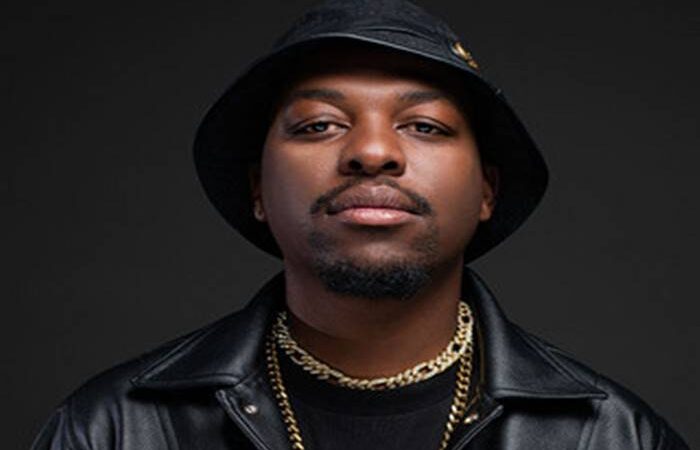
    In the pantheon of South African music, few names resonate as profoundly as Kabza De Small. Widely and rightfully crowned the “King of Amapiano,”  Kabelo Petrus Motha has not merely participated in the amapiano revolution; he has been its primary architect, chief propagator, and reigning monarch. From the sprawling townships of Pretoria to the global stages of the world, Kabza’s signature sound—a soulful blend of deep house, jazzy piano melodies, and log drum percussion—has become the heartbeat of a generation.

    This definitive biography traces the extraordinary journey of a man who went from a broke DJ with a dream to the most streamed South African artist on Spotify, a multi-award-winning producer, and an international ambassador for a genre that now dominates the continent and beyond. We delve into his early life in Mpumalanga, his explosive breakthrough, his legendary partnership with DJ Maphorisa as the Scorpion Kings, his extensive discography, his private life, and the staggering accolades that cement his legacy.

    Kabza De Small: Key Facts at a Glance

    Before exploring his story in depth, here are the essential facts about the King of Amapiano.

    • Real Name: Kabelo Petrus Motha

    • Stage Name: Kabza De Small

    • Date of Birth: November 27, 1992

    • Age: 33 years old (as of 2026)

    • Birthplace: eMalahleni (Witbank), Mpumalanga, South Africa

    • Raised In: Pretoria, Gauteng, South Africa

    • Nationality: South African

    • Occupation: DJ, Record Producer, Record Label Executive

    • Genres: Amapiano, Afro House, EDM (early career)

    • Instruments: Keyboards, Piano, Drum Machine, Synthesizer

    • Labels: Piano Hub (founder), Bestbyfar Records (former)

    • Famous Collaborations: DJ Maphorisa (as Scorpion Kings), Tresor, Young Stunna, Ami Faku, Msaki, Burna Boy, Wizkid

    • Notable Songs: “Umshove,” “Abalele,” “Khusela,” “Asibe Happy,” “Sponono,” “Izolo”

    • Awards: 13+ South African Music Awards (SAMAs), 5 Metro FM Music Awards, Forbes Africa 30 Under 30, and many more

    • Spouse: Kamogelo Geloo Moropa (m. 2023)

    • Net Worth: $2 Million approximately
    • Net Worth in Rands: 36 million ZAR to 37 million ZAR

    CHECK THIS: Nathaniel Willemse Biography: The Soulful Voice of Australia’s Pop and R&B Scene


    Early Life and Education: Humble Beginnings in Mpumalanga and Pretoria

    Birth and Family Background

    Kabelo Petrus Motha was born on November 27, 1992, in eMalahleni, a coal mining town also known as Witbank, in the Mpumalanga province of South Africa . Details about his parents remain private, reflecting the artist’s generally reserved nature when it comes to his personal life. However, it is known that he was raised alongside his brother, Sphelele Xaki, who has forged his own path as an electrical engineer and philanthropist .

    The family later relocated from Mpumalanga to the bustling city of Pretoria in Gauteng, where Kabza spent his formative years . This move to the capital city would prove pivotal, immersing him in a vibrant urban culture and a burgeoning electronic music scene that would shape his artistic destiny.

    The Spark: Discovering a Passion for Music

    From a young age, Kabelo was drawn to the power of music. In the streets and townships of Pretoria, he absorbed a diverse range of sounds, from traditional house music to the international EDM that was flooding the airwaves. He was fascinated not just by the songs themselves, but by the architects behind them—the DJs and producers who could command a dance floor and move a crowd.

    This fascination soon became an obsession. With limited resources but an abundance of determination, the teenager began teaching himself the craft. He started his journey as a disc jockey in 2009, at just 17 years old . He would spend countless hours honing his skills, learning to blend tracks, and understanding the mechanics of rhythm and groove. Those early years were lean; he was broke, but he was resolute. Music was his first love, and he knew the entertainment industry was where he belonged . Initially, he experimented by combining EDM with Afrobeat-infused house, slowly developing a style that was uniquely his own .

    The Road to Recognition: Early Career and Debut Album

    The First Steps and “Avenue Sounds” (2016)

    For seven years, Kabza De Small toiled in relative obscurity, a dedicated student of the game. He networked, collaborated with fellow up-and-coming artists like MFR Souls, Gaba Canal, and Kopzz Avenue, and continued to refine his production skills . His big break as a producer finally came in 2016 when he signed with House Afrika Records and released his debut album, “Avenue Sounds” .

    While the album didn’t catapult him to instant stardom, it was a crucial milestone. It was his first official statement, a compilation of the sounds he had been perfecting for years. “Avenue Sounds” helped establish his name within the Pretoria club scene and laid the groundwork for what was to come. It was a sign that Kabelo Motha was a serious artist with a long-term vision .

    The Breakthrough: “Amabele Shaya” and “Umshove” (2018)

    The seismic shift in Kabza’s career occurred in 2018. He entered the studio with a fellow amapiano artist named Leehleza, and together, they created two tracks that would change the landscape of South African music forever: “Amabele Shaya” and “Umshove” .

    These songs were different from anything else on the market. They possessed a hypnotic, log-drum-driven groove, punctuated by melodic piano riffs that were both sophisticated and irresistibly danceable. They were the first amapiano hits to truly strike a chord with the South African mainstream, and they are now credited as the catalyst for the genre’s explosion . “Umshove,” in particular, gained international recognition and marked Kabza’s arrival on a global stage . The sound he had been cultivating for nearly a decade had finally found its moment.

    The Scorpion Kings Era: A Legendary Partnership with DJ Maphorisa

    The Birth of a Super-Duo

    With his new-found fame, Kabza De Small caught the attention of another titan of South African music: the renowned producer and DJ, DJ Maphorisa. Recognizing the immense potential in Kabza’s sound, Maphorisa, who had already achieved international success with the likes of Drake and Wizkid, saw a kindred spirit. They decided to join forces, forming a super-duo that would be named the Scorpion Kings .

    This partnership was a meeting of minds that proved to be alchemical. Maphorisa brought his industry weight, business acumen, and a more mainstream, Afro-pop sensibility, while Kabza provided the pure, authentic, and deeply soulful amapiano production. Together, they were unstoppable.

    A String of Platinum and Diamond Albums

    The Scorpion Kings unleashed a relentless stream of hit projects that would dominate the airwaves for years.

    • “Scorpion Kings” (2019): Their debut collaborative album, released on July 5, 2019, was a phenomenon. Fueled by the lead single “Koko,” the album was a critical and commercial smash. It was certified Diamond in South Africa, selling over 100,000 copies and solidifying their status as the genre’s leaders .

    • “Piano Hub” (2019): Just months later, on October 1, they released “Piano Hub,” featuring the massive single “Nana Thula” with Njelic. The EP was certified 3× Platinum .

    • “The Return of the Scorpion Kings” (2019): They ended the year by dropping yet another hit project on November 29, further cementing their dominance .

    • “Once Upon a Time in Lockdown” (2020): During the COVID-19 pandemic, the duo channeled their creativity into a new album that captured the mood of the nation. It was another massive success, winning the SAMA for Album of the Year .

    This period established Kabza De Small and DJ Maphorisa as the most bankable and influential production duo in South Africa, if not the entire continent.

    Kabza De Small’s Solo Brilliance: Iconic Albums

    While his work with Scorpion Kings brought him immense fame, Kabza’s solo projects proved his individual genius and justified his self-appointed title.

    “Pretty Girls Love Amapiano” (Vol. 1 & 2)

    On October 18, 2019, Kabza released his second solo studio album, “Pretty Girls Love Amapiano Vol. 1” . The project showcased his softer, more romantic side and was a massive hit. He followed it up with Vol. 2 in April 2020, which continued the project’s success .

    “I Am the King of Amapiano: Sweet & Dust” (2020)

    This was the statement of intent. Released on June 26, 2020, “I Am the King of Amapiano: Sweet & Dust” was Kabza’s crowning achievement up to that point. The album was a sprawling masterpiece, featuring a star-studded lineup of South African and international talent, including Burna Boy, Wizkid, Cassper Nyovest, Samthing Soweto, Sha Sha, and DJ Maphorisa .

    The album debuted at number one in South Africa, was certified double platinum, and earned Kabza three nominations at the 27th South African Music Awards, making him the most nominated artist of the year . It was the definitive proof that his self-proclaimed title was not just confidence, but fact.

    “KOA II Part 1” (2022)

    On June 16, 2022, Kabza released his highly anticipated fourth studio album, “KOA II Part 1” (King of Amapiano 2 Part 1) . The 18-track behemoth featured a who’s who of amapiano’s new wave, including Msaki, Ami Faku, Young Stunna, Nkosazana Daughter, and Kwesta. The lead single, “Khusela” featuring Msaki, shot to number one on the Apple Music charts . The album received a perfect 10/10 rating from GQ Magazine and was nominated for Album of the Year at the All Africa Music Awards (AFRIMMA) .

    “Bab’ Motha” (2025) and Global Dominance

    Kabza continued to push boundaries. In July 2025, he released the studio album “Bab’ Motha” . This album marked a new peak in his international career, debuting at number 9 on the Spotify Top Global Album Charts, making it his first album to achieve a top 10 position on that prestigious global ranking .

    Defining Songs and Major Hits

    Kabza De Small’s discography is a treasure trove of hits. Some of the most defining tracks of his career include:

    • “Umshove” (with Leehleza, 2018): The breakthrough track that started it all .

    • “Amabele Shaya” (with Leehleza, 2018): Another early classic that defined the amapiano sound .

    • “Koko” (with DJ Maphorisa, 2019): The lead single from the Scorpion Kings album .

    • “Nana Thula” (with DJ Maphorisa & Njelic, 2019): A massive anthem from the “Piano Hub” EP .

    • “Sponono” (with Wizkid, Burna Boy, Cassper Nyovest, & Madumane, 2020): A star-studded collaboration from “I Am the King of Amapiano” .

    • “Abalele” (with DJ Maphorisa & Ami Faku, 2021): Released in September 2021, this song became a cultural phenomenon. It debuted at number 4 on the Spotify charts and number 1 on the official South African Music Charts .

    • “Asibe Happy” (with DJ Maphorisa & Ami Faku, 2021): Another genre-defining collaboration that became a fan favorite .

    • “Khusela” (feat. Msaki, 2022): The lead single from “KOA II Part 1” and an instant classic .

    • “Izolo” (with DJ Maphorisa & Tyler ICU): A staple in any amapiano DJ’s set.

    • “Kabza Chant” (feat. Young Stunna, Nkosazana Daughter, Mthunzi, et al., 2024): A massive collaboration that debuted at number 1 on SA Spotify Daily Charts upon its release .

    Net Worth (in Rands and Dollar)

    Kabza De Small, widely regarded as the King of Amapiano, continues to dominate the South African music scene with his unmatched production skills and hit records. As of March 2026, the celebrated DJ and producer has built an impressive financial portfolio through his music, sold-out performances, and business ventures. Kabza De Small’s net worth is estimated at approximately $2 million, which translates to roughly 36 million to 37 million South African Rand, solidifying his status as one of the wealthiest and most influential figures in the Amapiano genre.

    Awards, Accolades, and Unmatched Recognition

    Kabza De Small’s shelf is groaning under the weight of his achievements. He is one of the most decorated artists in South African history.

    • Forbes Africa 30 Under 30: Ranked number 18 in 2021 .

    • South African Music Awards (SAMAs): He has won over 13 SAMAs across multiple categories, including Album of the Year, Male Artist of the Year, and Duo/Group of the Year .

    • Metro FM Music Awards: Winner of 5 awards.

    • DStv Mzansi Viewers’ Choice Awards: Won Favorite DJ and Favorite Rising Star in 2020 .

    • AmaPiano Music Awards: Winner of multiple awards, including Best Amapiano Male DJ Act and Best Amapiano Music Producer in 2021 .

    • Dance Music Awards South Africa: Winner of Best Amapiano Record in 2019 for “Amantombazane” .

    • Spotify Records: Named the most streamed South African artist on Spotify in both 2019 and 2020 .

    Personal Life: Wife, Family, and Private World

    Despite his immense fame, Kabza De Small is known for keeping his personal life away from the public eye .

    Marriage to Kamogelo Geloo Moropa

    In a heartwarming development for fans, Kabza tied the knot in 2023. He married his long-time partner, Kamogelo Geloo Moropa, in a beautiful and private ceremony . The couple has occasionally shared glimpses of their life together on social media, offering rare peeks into the producer’s world away from the studio.

    Family and Low-Key Lifestyle

    He remains close to his brother, Sphelele Xaki, and is known to be a family-oriented person. Kabza’s public persona is that of a humble and focused artist. He rarely engages in controversy and prefers to let his music do the talking. When he’s not in the studio or performing, he enjoys spending time with his wife and close circle of friends, which includes many of his long-time collaborators from the amapiano scene.

    Kabza De Small’s Net Worth

    As of 2026, Kabza De Small’s net worth is estimated to be in the millions. His wealth is accumulated from multiple revenue streams:

    • Music Production: Royalties from his extensive solo catalog and production credits for other artists.

    • Performances: Headlining major festivals and concerts across Africa and the world.

    • Record Label: Revenue from his label, Piano Hub, which houses some of the biggest names in the genre.

    • Endorsements: Lucrative brand partnerships with major corporations.

    While exact figures are difficult to verify, his status as a Diamond and Platinum-selling artist, combined with his consistent touring and business ventures, places him among the wealthiest and most successful music producers on the continent .

    The King’s Legacy: Impact on Amapiano and Beyond

    Kabza De Small’s influence on music cannot be overstated. He is not just a participant in the amapiano story; he is the genre’s primary author. His production style—characterized by warm, soulful piano chords and perfectly programmed log drums—has become the template for thousands of aspiring producers.

    He has been instrumental in launching and nurturing the careers of countless young artists, including vocalists like Young Stunna and Nkosazana Daughter, giving them a platform to shine. His collaboration with DJ Maphorisa created a powerhouse that lifted the entire genre.

    From selling out his Redbull Symphonic show with Ofentse Pitse and a full orchestra in record time—selling out in 5 hours, then adding a second show that sold out in 8 minutes—to producing for global superstar Drake’s “It’s All a Blur Tour”, Kabza De Small has proven that amapiano is a global force . He has taken the sounds of Pretoria’s townships to the world, and in doing so, has secured his place as a true icon of African music.

    Discography: A Complete Overview

    Studio Albums

    • Avenue Sounds (2016)

    • Pretty Girls Love Amapiano Vol. 1 (2019)

    • Pretty Girls Love Amapiano Vol. 2 (2020)

    • I Am the King of Amapiano: Sweet & Dust (2020)

    • KOA II Part 1 (2022)

    • Bab’ Motha (2025)

    Collaborative Albums (as Scorpion Kings with DJ Maphorisa)

    • Scorpion Kings (2019)

    • Piano Hub (2019)

    • The Return of the Scorpion Kings (2019)

    • Once Upon a Time in Lockdown (2020)

    • Rumble in the Jungle (with Tresor) (2021)

    ALSO READ: TKcreedlion – Swidi K’Phela ft. Sandy6beats, Mordecai, Springle, Philharmonic & Miikey Ndlovu

    Conclusion: The Reign Continues

    Kabza De Small’s story is one of passion, perseverance, and prodigious talent. From his humble beginnings in Mpumalanga and Pretoria, he rose to become not just a successful artist, but the foundational figure of a global music movement. His title, “King of Amapiano,” is not a boast; it is a fact acknowledged by fans, critics, and fellow musicians alike.

    With each new release, he continues to evolve, to innovate, and to remind the world why he sits at the apex of the genre. Whether it’s through his own solo masterpieces, his legendary collaborations with DJ Maphorisa, or his work nurturing new talent on his Piano Hub label, Kabza De Small’s impact on South African and global culture is indelible. As he moves forward into the future, one thing is certain: the King’s reign is far from over.

  • Nathaniel Willemse Biography: The Soulful Voice of Australia’s Pop and R&B Scene

    Nathaniel Willemse Biography: The Soulful Voice of Australia’s Pop and R&B Scene

    Nathaniel Willemse Biography

    Who is Nathaniel Willemse?

    In the pantheon of Australian talent show success stories, few artists have demonstrated the staying power and vocal prowess of Nathaniel Willemse. With a voice described as a “falsetto made out of crystal” , this South African-born, Melbourne-raised singer-songwriter emerged from the crucible of The X Factor Australia to become one of the country’s most distinctive pop and R&B voices.

    Nathaniel’s journey is not merely a tale of reality TV fame, but a narrative of lifelong dedication to music. From his early days as a wedding singer and voice teacher to achieving platinum status with hit singles like “You” and “Live Louder,” his career is a testament to resilience, collaboration with industry legends, and an unwavering commitment to his craft. This comprehensive biography delves into the life, music, and legacy of Nathaniel Willemse, drawing on verified facts to present the definitive story of this celebrated artist.

    Nathaniel Willemse: Key Facts at a Glance

    Before exploring the depths of his career, here are the essential fast facts about Nathaniel Willemse.

    Category Details
    Full Name Nathaniel Willemse
    Date of Birth July 3, 1985
    Age 40 years old (as of 2026)
    Birthplace Cape Town, South Africa
    Nationality South African-born Australian
    Zodiac Sign Cancer
    Occupations Singer, Songwriter, Producer, Voice Teacher
    Genres R&B, Pop, Funk, Soul
    Instruments Vocals, Piano, Guitar
    Years Active 2006–present
    Labels Mummy’s Boy Records (2008), DNA/Sony Music Australia (2013–2016), 123 Agency (2016–present)
    Famous Songs “You,” “Live Louder,” “You’re Beautiful,” “I Am Australian” (with various artists)
    Spouse Fujan Erfanian (m. 2015)
    Notable Achievements Two-time ARIA Award Nominee, APRA Award Nominee, Multi-Platinum Selling Artist
    Social Media @nathanielwillemse (Instagram, Facebook)


    READ ALSO: Khabonina Qubeka Biography: The Multi-Talented South African Star Conquering Film, Dance, and Wellness

    Early Life and Education: From Cape Town to Melbourne

    Birth and Family Background

    Nathaniel Willemse was born on July 3, 1985, in Cape Town, South Africa . His earliest years were spent in the shadow of Table Mountain, immersed in a culture rich with musical and artistic expression. However, his family made a life-changing decision to emigrate when he was still young, relocating to Melbourne, Australia, where he would spend the bulk of his formative years .

    This bicontinental upbringing gifted Nathaniel with a unique perspective—a blend of African warmth and Australian sensibility that would later infuse his music with a distinctive character. Growing up in Melbourne, a city renowned for its vibrant live music scene, he was exposed to a diverse range of musical influences that would shape his artistic identity.

    While details about his parents remain private, it’s clear they fostered an environment where creativity could flourish. Nathaniel’s passion for music was not merely a passing interest but a deep-seated calling that emerged early in his childhood. He was drawn to the emotional power of song, spending countless hours absorbing the sounds of legendary R&B and pop artists who would become his touchstones.

    Musical Awakening

    Nathaniel’s home was filled with music, and he quickly discovered his own voice as an instrument of remarkable potential. He began experimenting with various instruments, including piano and guitar, developing a holistic understanding of music creation that would later serve him well as a songwriter and producer .

    During his teenage years, he honed his skills with the discipline of a true artist. He wasn’t merely singing; he was studying the craft, learning how to convey emotion through melody and how to connect with listeners on a visceral level. This period of self-directed education laid the groundwork for his future career, instilling in him the values of hard work and artistic integrity that would guide him through the unpredictable journey of the music industry.

    The Road to Stardom: Early Career and Challenges

    First Forays into the Industry

    Before the bright lights of television fame found him, Nathaniel Willemse was paying his dues in the time-honored tradition of working musicians. He took on various gigs to support himself while pursuing his passion, including work as a wedding singer and a voice teacher . These experiences were invaluable, teaching him to connect with diverse audiences and adapt his performances to any setting.

    In 2006, he took his first official step into the recorded music world. He released an independent single titled “Vertigo” under the label Mummy’s Boy Records . While the song didn’t achieve mainstream commercial success, it served as a crucial learning experience, introducing him to the mechanics of recording, distribution, and the challenges of establishing oneself as an independent artist.

    Australian Idol Audition

    Seeking greater exposure, Nathaniel auditioned for Australian Idol, the country’s premier talent competition at the time. While the experience didn’t catapult him to instant stardom, it was an important milestone. It placed him on the radar of industry insiders and, more importantly, steeled his resolve. The competition format taught him to perform under pressure and to handle both praise and criticism with grace. This resilience would prove essential for the next, far more significant chapter of his career .

    The X Factor Australia: The Breakthrough Moment

    2012 Season Journey

    In 2012, Nathaniel Willemse auditioned for the fourth season of The X Factor Australia. From his very first performance, it was clear that he possessed something special. His soaring, soulful voice cut through the typical reality TV fare, earning him a place in the competition and quickly building a devoted fan base .

    Week after week, Nathaniel delivered performances that showcased his remarkable vocal range and his ability to imbue songs with genuine emotion. He navigated the pressures of the live shows with increasing confidence, making it all the way to the grand finale. While he ultimately finished as the runner-up, with Samantha Jade taking the title, his journey on the show was transformative . He had entered as a talented but relatively unknown singer and emerged as a household name, with a national audience eager to hear what he would do next.

    Post-X Factor Momentum

    The true value of Nathaniel’s X Factor journey lay not in winning the trophy, but in the opportunities it unlocked. He caught the attention of Australia’s premier songwriting and production team, David Musumeci and Anthony Egizii, collectively known as DNA Songs. The DNA duo saw something extraordinary in Nathaniel—an artist with the potential to transcend the typical talent-show trajectory .

    So impressed were they that they signed him to DNA’s own boutique label, a partnership that would prove to be the catalyst for his professional success. This was not a standard artist development deal; it was a genuine musical collaboration. As one music publication noted, they formed a partnership that enabled Nathaniel “to forge his own sound; a synthesis of R&B, pop, funk, and rock, with an innate sophistication and understated emotional power” .

    Music Career: Platinum Records and Chart Success

    Debut Single: “You”

    On September 26, 2013, Nathaniel Willemse released his debut single through the DNA/Sony Music Entertainment Australia label. The song was “You,” and it was an instant phenomenon .

    The track was a masterclass in modern pop-R&B fusion. Described as possessing “mid tempo swagger, earworm hook and a falsetto made out of crystal,” “You” was the perfect vehicle for Nathaniel’s talents . It showcased not only his incredible vocal abilities but also his growth as a writer, having collaborated closely with DNA on the song’s creation.

    The public response was overwhelming. “You” shot up the ARIA charts, peaking at an impressive number 4 . Its popularity didn’t wane quickly; the song’s staying power was confirmed when it was certified 2× Platinum by the Australian Recording Industry Association (ARIA), signifying sales and streams exceeding 140,000 units . It was the breakthrough Nathaniel had been working toward for years.

    The Album “Yours”

    Building on the momentum of “You,” Nathaniel released his debut studio album, “Yours,” on October 23, 2015, through DNA Songs and Sony Music Australia. The album was a cohesive collection that perfectly encapsulated his artistic vision, blending polished pop production with the raw emotion of R&B.

    “Yours” debuted at number 5 on the ARIA Albums Chart, a strong showing that confirmed Nathaniel’s status as a genuine album artist, not just a singles act. The album was available in CD and digital download formats, catering to both traditional music buyers and the growing streaming audience.

    Follow-Up Hits and Collaborations

    The success of “Yours” was driven by several hit singles that followed in the footsteps of “You.”

    • “You’re Beautiful” (2014): This track continued Nathaniel’s hot streak, peaking at number 14 on the ARIA charts. It was a soulful interpretation that demonstrated his ability to take a well-known sentiment and make it entirely his own.

    • “Live Louder” (2014): Perhaps his most anthemic track, “Live Louder” matched the peak of his debut, also reaching number 4 on the charts . The song became an anthem of empowerment and joy, earning a Platinum certification and solidifying his reputation for delivering uplifting, high-energy pop.

    • “I Am Australian” (2014): In a powerful moment of national unity, Nathaniel collaborated with fellow X Factor alumni Dami Im and several other recording artists on a cover of the iconic Australian anthem “I Am Australian” . The track was released to coincide with Australia Day celebrations and became a beloved contemporary version of the classic song, reaching number 51 on the charts.

    • “Always Be Yours” (2015): As the title track of his album, this single was released to further promote “Yours.” It peaked at number 79 on the ARIA charts.

    Later Singles and Musical Evolution

    Following the album cycle for “Yours,” Nathaniel continued to release new music, exploring different sounds and collaborating with various producers under the 123 Agency label. While these later singles didn’t achieve the same commercial heights as his early hits, they demonstrated his ongoing commitment to artistic growth.

    • “Flava” (2015)

    • “Jungle Boogie”

    • “Vapours” (2017) – Accompanied by a music video directed by Epik Films.

    • “Moon” (2018)

    • “Mysterious Girl”

    • “Us” (2019)

    He also released a self-titled EP on October 29, 2011, which predated his X Factor success and provided an early glimpse of his potential.

    Discography: Complete Catalog

    Studio Albums

    Title Album Details Peak Chart Position
    Yours Released: 23 October 2015
    Label: DNA Songs / Sony Music Australia
    Formats: CD, digital download
    5 (AUS)

    Extended Plays

    Title Details
    Nathaniel Willemse EP Released: 29 October 2011
    Formats: Digital download

    Singles

    Title Year Peak Chart Position Certifications Album
    “Vertigo” 2008 Non-album single
    “You Are the One” 2011 Nathaniel Willemse EP
    “You” 2013 4 2× Platinum (ARIA) Yours
    “I Am Australian” (with various artists) 2014 51 Non-album single
    “You’re Beautiful” 2014 14 Yours
    “Live Louder” 2014 4 Platinum (ARIA) Yours
    “Flava” 2015
    “Always Be Yours” 2015 79 Yours
    “Jungle Boogie” Non-album single
    “Vapours” 2017
    “Moon” 2018
    “Mysterious Girl”
    “Us” 2019

    Other Charted Songs

    Title Year Peak Chart Position
    “The Scientist” 2012 75
    “Red” 2012 91

    Music Videos

    Title Year Director(s)
    “You” 2013 Toby Angwin
    “You’re Beautiful” 2014
    “Live Louder” 2014
    “Always Be Yours” 2015 Nik Kacevski
    “Vapours” 2017 Epik Films

    Live Performances and Tours

    Headlining Tours

    Nathaniel’s powerful voice and charismatic stage presence translated exceptionally well to live performances. His first major headlining experience came on the heels of his X Factor success.

    • The X Factor Live Tour (2013): Following the conclusion of the 2012 season, Nathaniel joined his fellow contestants on the national X Factor Live Tour. This was a grueling but invaluable experience, performing in arenas across the country to thousands of devoted fans who had followed the show.

    Supporting Major Acts

    As his star rose, Nathaniel was invited to support some of the biggest names in international and Australian music.

    • Jessica Mauboy – To the End of the Earth Tour (2013–14): Supporting one of Australia’s most beloved pop stars was a significant honor and a chance to reach an even wider audience.

    • Soulfest (2014): This major music festival showcased Nathaniel’s appeal to a diverse crowd of music lovers.

    • Mariah Carey – The Elusive Chanteuse Show (Australian Leg, 2014): In a career-defining moment, Nathaniel was selected as the support act for the Australian dates of Mariah Carey’s tour. Sharing a stage with one of the greatest vocalists of all time was a testament to how far he had come and an experience that undoubtedly influenced his own approach to performance.

    Awards and Nominations

    Nathaniel Willemse’s impact on the Australian music industry has been recognized through numerous award nominations, reflecting both critical acclaim and commercial success.

    APRA Awards

    The Australasian Performing Right Association (APRA) honors excellence in songwriting and publishing.

    • 2014: “You” – Nominated for Pop Work of the Year

    • 2014: “You” – Nominated for Most Played Australian Work

    ARIA Music Awards

    The ARIA Music Awards are the pinnacle of achievement in the Australian recording industry.

    • 2014: “You” – Nominated for Song of the Year

    • 2015: “Live Louder” – Nominated for Song of the Year

    World Music Awards

    The World Music Awards honors recording artists based on worldwide sales figures.

    • 2014: Nathaniel Willemse – Nominated for World’s Best Male Artist

    • 2014: Nathaniel Willemse – Nominated for World’s Best Live Act

    • 2014: Nathaniel Willemse – Nominated for World’s Best Entertainer of the Year

    • 2014: “You” – Nominated for World’s Best Song

    • 2014: “You” – Nominated for World’s Best Video

    These nominations placed Nathaniel alongside global superstars, affirming that his appeal extended far beyond Australian shores.

    Personal Life: Marriage and Private World

    Relationship with Fujan Erfanian

    In January 2015, at the height of his commercial success, Nathaniel Willemse took a significant step in his personal life. He married model Fujan Erfanian in a private ceremony . The union brought together two creative individuals, with Fujan’s work in the fashion world complementing Nathaniel’s musical career.

    Unlike many celebrities who court publicity for their relationships, Nathaniel and Fujan have largely kept their marriage out of the spotlight. This decision to maintain privacy reflects Nathaniel’s grounded nature and his desire to protect the sanctity of his personal life from the often-intrusive glare of fame. Details about their life together remain largely private, a testament to their success in building a life away from the public eye.

    Life Beyond the Spotlight

    When not in the recording studio or on tour, Nathaniel is known to value his downtime, often spending time with family and close friends. His journey from a young immigrant to a celebrated Australian artist has given him a unique perspective on life, and those who know him describe him as thoughtful, dedicated, and genuinely passionate about his craft.

    His role as a voice teacher in his early years also suggests a natural inclination toward mentorship and nurturing talent—a quality that speaks to his character beyond the stage.

    Legacy and Impact on Australian Music

    Contribution to Pop and R&B

    Nathaniel Willemse occupies a unique space in the Australian music landscape. At a time when the industry was heavily dominated by rock and indie-pop, he brought a sophisticated, soul-infused R&B sensibility to the mainstream. His success helped pave the way for a new generation of Australian artists who blend pop with soulful, R&B-influenced vocals.

    His collaborations with DNA Songs produced some of the most memorable Australian pop singles of the 2010s. Songs like “You” and “Live Louder” have become touchstones for fans of the era, frequently appearing on nostalgia playlists and remaining beloved by audiences who grew up with his music.

    Influence on Talent Show Contestants

    As a runner-up who went on to achieve significant commercial success, Nathaniel became a role model for future contestants on talent shows. He demonstrated that winning the competition was not the only path to a successful career—that talent, hard work, and the right creative partnerships could be just as powerful. His journey offered a blueprint for post-show success that many subsequent artists have sought to emulate.

    Critical Reception

    Critics have consistently praised Nathaniel’s vocal abilities, particularly his remarkable falsetto and his ability to convey deep emotion through his performances . His work has been described as possessing “innate sophistication,” a quality that sets him apart from many of his contemporaries. While his later work may not have achieved the same commercial peaks as his debut era, it has been respected for its artistic integrity and willingness to evolve.

    Frequently Asked Questions About Nathaniel Willemse

    How old is Nathaniel Willemse?

    Nathaniel Willemse was born on July 3, 1985. He is currently 40 years old .

    Where is Nathaniel Willemse from?

    He was born in Cape Town, South Africa, and moved to Melbourne, Australia, at a young age .

    Is Nathaniel Willemse married?

    Yes, he married model Fujan Erfanian in January 2015 .

    What is Nathaniel Willemse’s most famous song?

    His most commercially successful and recognizable song is “You,” which peaked at number 4 on the ARIA charts and achieved 2× Platinum status .

    Did Nathaniel Willemse win The X Factor?

    No, he was the runner-up in the 2012 season of The X Factor Australia. Samantha Jade won that season .

    What record labels has Nathaniel been signed to?

    He has been signed to Mummy’s Boy Records (2008), DNA/Sony Music Australia (2013–2016), and 123 Agency (2016–present).

    Has Nathaniel Willemse won any ARIA Awards?

    While he has been nominated twice for ARIA Awards (Song of the Year for “You” in 2014 and “Live Louder” in 2015), he has not yet won an ARIA Award.

    What is Nathaniel Willemse’s net worth?

    While exact figures are not publicly disclosed, his successful music career, touring, and endorsements have contributed to a comfortable lifestyle, with industry estimates placing his net worth in the range of $1–3 million.

    ALSO READ: Pabi Cooper – Isphithiphithi ft. Reece Madlisa, Busta 929 & Joocy

    Conclusion: The Enduring Voice of an Australian Pop Stalwart

    Nathaniel Willemse’s journey from a young immigrant with a dream to a platinum-selling, ARIA-nominated artist is a powerful testament to the enduring value of talent, perseverance, and authentic collaboration. He navigated the often-treacherous waters of reality TV fame and emerged not as a fleeting novelty, but as a respected musician with a distinctive voice and a catalog of memorable songs.

    His story is one of transformation—from the wedding singer in Melbourne to the falsetto virtuoso on national television, from the aspiring artist releasing independent singles to the signed talent collaborating with some of the industry’s most successful producers. Through it all, Nathaniel has remained true to his artistic vision, creating music that resonates with genuine emotion and sophisticated craftsmanship.

    As he continues to create and perform, Nathaniel Willemse’s legacy is secure. He stands as one of the defining pop and R&B voices of his generation in Australia, an artist whose best work captures the joy, pain, and beauty of the human experience. For fans who have followed his journey from the X Factor stage to the present day, he remains not just a singer, but a voice of their own lives—a soundtrack to memories, milestones, and moments that matter.

  • Khabonina Qubeka Biography: The Multi-Talented South African Star Conquering Film, Dance, and Wellness

    Khabonina Qubeka Biography: The Multi-Talented South African Star Conquering Film, Dance, and Wellness

    Khabonina Qubeka Biography

    Who is Khabonina Qubeka?

    In the rich tapestry of South African entertainment, few stars shine as brightly or as diversely as Khabonina Qubeka. Known affectionately to her fans as “Khabodacious,” she is a force of nature—an award-winning actress, a mesmerizing dancer, a visionary choreographer, a television presenter, a singer, and a pioneering wellness advocate . Her journey from the vibrant streets of Soweto to international film festival accolades and global yoga platforms is a testament to her relentless drive, boundless creativity, and unwavering commitment to living life on her own terms.

    With a career spanning over two decades, Khabonina has become a household name in Mzansi, captivating audiences with her powerful performances on iconic shows like IsidingoThe Wild, and Generations: The Legacy. Yet, to define her solely by her acting credits would be to overlook the full scope of her influence. She is a woman who has choreographed major award shows, launched her own music label, and even introduced the world to her unique fusion of African spirituality and yoga: Afro Yoga .

    This comprehensive biography delves deep into the life and career of Khabonina Qubeka, exploring her early roots in Soweto, her meteoric rise in the entertainment industry, her celebrated international achievements, and her evolving role as a businesswoman, mother, and wellness guru. We’ll uncover verified facts, personal insights, and the indomitable spirit that has made her one of South Africa’s most beloved and respected public figures.

    Khabonina Qubeka: Key Facts at a Glance

    Before we embark on her detailed journey, here are the essential fast facts about this multifaceted star.

    • Full Name: Khabonina Qubeka

    • Nicknames: Khabodacious, Nina

    • Date of Birth: January 22, 1981

    • Age: 45 years old (as of 2026)

    • Birthplace: Orlando West Extension, Soweto, Johannesburg, South Africa

    • Nationality: South African

    • Education: Queen’s High School Kensington; Diploma in Dance from Moving into Dance, Johannesburg

    • Occupations: Actress, Television Presenter, Dancer, Choreographer, Businesswoman, Singer, Fitness and Wellness Coach

    • Known For: Roles in IsidingoThe WildMuvhangoGenerations: The Legacy

    • Notable Awards: Indie Spirit Best Actress Award at the Boston International Film Festival (2017); City University Award for Professional Creative Excellence (2018)

    • Marital Status: Married to Vuyisile Colossa (fitness trainer)

    • Children: One daughter (born October 2018)

    • Languages: Fluent in Zulu, Xhosa, English, Sesotho, Venda, and Afrikaans

    • Social Media: @khabonina_q (Instagram) with 550,000+ followers

    ALSO READ: Pabi Cooper Biography: The Amapiano Queen Bridging Music and Football

    Early Life and Education: Roots in Soweto

    Birth and Family Background

    Khabonina Qubeka was born on January 22, 1981, in Orlando West Extension, Soweto—a township rich in history and cultural significance . Growing up in this vibrant community during the tumultuous final years of apartheid, she was immersed in a world where creativity and resilience were essential survival tools. The streets of Soweto, with their pulsating rhythms and expressive culture, would profoundly shape her artistic sensibilities.

    While details about her parents remain private, Khabonina has often spoken about the supportive environment that nurtured her talents. She was raised with a strong sense of identity and community, values that she carries with her to this day. Her ability to speak six South African languages—Zulu, Xhosa, English, Sesotho, Venda, and Afrikaans—reflects the multicultural tapestry of her upbringing and has undoubtedly contributed to her versatility as a performer .

    Education and Dance Training

    Khabonina attended secondary school in Johannesburg, where she was a student at Queen’s High School Kensington . It was during these formative years that her passion for dance began to crystallize into a serious pursuit. Recognizing that her calling lay in movement, she enrolled at Moving into Dance, a renowned Johannesburg-based dance company and school that has produced some of South Africa’s finest choreographers and performers .

    At Moving into Dance, Khabonina earned her dance diploma, receiving rigorous training in various techniques while also developing a deep appreciation for the philosophical and spiritual dimensions of dance. This foundation would serve as the bedrock upon which she would build her multifaceted career. She later described her attraction to dance in an interview with News24, saying, “I express myself in every way through dance. I’m in love with dance. I wanna marry dance. I wanna have its babies” . This passionate declaration encapsulates the profound connection she feels to her art.

    Acting Career: From Soapie Star to International Acclaim

    Breakthrough Role: Doobsie on “Muvhango” (2006–2007)

    Khabonina Qubeka’s journey into the national spotlight began when she landed the role of Doobsie on the SABC 2 soap opera Muvhango. She joined the cast in 2006, becoming the third actress to portray the character after Lindiwe Chibi and the iconic Khanyi Mbau . Her portrayal of Doobsie quickly resonated with audiences, establishing her as a talented actress to watch and opening doors to more significant opportunities in the television industry.

    Building a Television Portfolio (2007–2010)

    Following her success on Muvhango, Khabonina became a familiar face on South African television, taking on a variety of roles that showcased her range as a performer. Her credits during this period include:

    • For Sale (2007): An SABC drama series where she played Khanyi Qubu

    • The Lab (2008): A popular drama series where she appeared as Faith in Season 3

    • Rhythm City (2009): The eTV soapie where she portrayed Khanyi

    • The Wild (2010): The M-Net telenovela that featured her in the role of Maxine, a character that would become one of her most recognized

    • The Mating Game (2010): Appearing as Kefilwe Ndlovu

    • Erfsondes (2010): Portraying Jira in Season 4

    This prolific period demonstrated her work ethic and her ability to seamlessly transition between different genres and production styles, from daily soapies to primetime dramas.

    International Recognition: “Dora’s Peace” and Awards (2017)

    The year 2017 marked a turning point in Khabonina’s career, catapulting her from local stardom to international acclaim. She starred in the film “Dora’s Peace,” portraying the complex character of Dora, a Johannesburg prostitute navigating the dangerous underworld of the city . The role was a dramatic departure from her television work, requiring immense vulnerability and depth.

    Her performance was nothing short of transformative. Khabonina later reflected that starring in the film made her “see prostitutes from a different perspective,” highlighting her commitment to bringing authenticity and humanity to the role . This powerful portrayal earned her the Indie Spirit Award for Best Actress at the Boston International Film Festival in 2017 . The recognition didn’t stop there. She was also nominated for Best Actress at the Florida Film Festival and received a nomination for Best Actress at the prestigious Africa Movie Academy Awards (AMAA) . The film itself was screened at the Orlando Film Festival and the Beijing International Film Festival, further cementing her status on the global stage .

    Iconic Roles: Nina Zamdela in “Isidingo” and Beyond

    In the same remarkable year of 2017, Khabonina took on another defining role: Nina Zamdela, a gangster on the SABC 3 flagship soap opera Isidingo . Her portrayal of the tough, street-smart Nina added a new dimension to the long-running show and endeared her to a whole new generation of fans. She also starred in the film “She is King,” released the same year .

    Recent Work: Oby Abudu in “Generations: The Legacy”

    Never one to rest on her laurels, Khabonina continued to evolve as an actress. She joined the cast of the immensely popular drama series “Generations: The Legacy,” taking on the role of Oby Abudu . Oby is the wife to Vuyo Dabula’s character, the formidable Kumkani Phakade. This role placed her at the heart of one of South Africa’s most-watched shows, allowing her to explore complex dynamics and reach millions of viewers weekly.

    Her extensive filmography also includes appearances in:

    • Abomama (Season 2) as Tshidi

    • Black Tax (Season 2) as Kelebogile

    • Dead Places (Season 1) as Asanda

    • Ihawu Lesizwe as Refiloe Magubane

    • Legacy (Season 1) as Thenjiwe

    • Uzalo (Seasons 2 & 7) as Nokuthula

    • Zabalaza (2013, Season 2) as Bongi

    Recent Recognition: Queen Ntombazi in “Shaka iLembe”

    In a powerful testament to her enduring relevance, Khabonina was featured in a Women’s Month profile on the National Arts Festival podcast in 2026, celebrating her fierce role as Queen Ntombazi in the epic series Shaka iLembe . Described as a character “fans love and love to hate,” this role showcased her ability to command the screen with presence and gravitas, proving that her artistic evolution is far from over.

    Dance and Choreography: The Heartbeat of Her Career

    Professional Dancer and Judge

    Before she was a celebrated actress, Khabonina Qubeka was, and remains, a dancer to her core. As a professional dancer and choreographer, she has lent her expertise to numerous television dance reality shows, serving as both host and judge. Her credits include SABC 1’s “Dance Your Butt Off” and eTV’s “Step Up or Step Out” . On these platforms, she became known for her insightful critiques, her passion for the art form, and her ability to nurture raw talent.

    In a 2012 interview with News24, she shared her philosophy on what makes a great dancer: “Passion, love and respect for the craft… Don’t get me wrong, they dance beautifully, their limbs are extended and their arches could cause an earthquake. But I don’t see or feel the passion, facial expression and confidence when they perform. So with my ‘Kha’bodacious Moves’ dance classes, I drill in the fire, passion and pain of dance” .

    Choreographing Major Award Shows

    Her choreographic talents have been recognized at the highest levels of the industry. Khabonina choreographed The Channel O Music Video Awards, one of Africa’s most prestigious celebrations of music and video artistry . This role placed her at the center of the continent’s creative energy, working with top artists and producers to bring spectacular performances to life.

    Khabodacious Moves: Teaching the Next Generation

    Through her brand Khabodacious Moves, Khabonina has dedicated herself to mentoring young dancers. She encourages them not only to perfect their technique but to understand the business of dance. Her advice to aspiring performers is pragmatic: “Rather study choreography, study the history of dance or different dance styles so you can be a dance teacher. Study production so you can produce, direct and shoot, or even execute a dance show” . This commitment to empowering the next generation reflects her deep investment in the sustainability of South African dance.

    Television Presenting and Hosting

    “Fix My Love” on BET

    Khabonina’s charisma and on-screen presence naturally extended to hosting. She served as the host of the BET show “Fix My Love,” a reality series focused on helping couples repair their relationships . Her empathetic yet engaging style made her the perfect guide for viewers navigating the complexities of love.

    “Gym e’Kasi”: Bringing Fitness to the Community

    In 2014, Khabonina combined her passion for fitness and television by creating and hosting her own health and wellness show, “Gym e’Kasi” (which translates to “Gym at Home” or “Gym in the Township”) . Airing on eTV and Open View HD’s eKasi+ channel, the show was groundbreaking in its approach. It focused on making healthy food and exercise choices accessible and achievable within the comfort of one’s home and neighborhood . The program resonated deeply with viewers who appreciated its practical, no-nonsense approach to wellness.

    Other Presenting Credits

    Her versatility as a presenter is further evidenced by roles such as hosting “Stars of Mzansi” (Season 1) and “Spina Guluva” (Season 1) . In October 2017, she was announced as the hostess of a new South African program centered around school teachers, demonstrating her ability to connect with audiences on educational and inspirational topics .

    Afro Yoga: Pioneering a Wellness Movement

    The Birth of Afro Yoga

    Khabonina Qubeka is more than just a yoga enthusiast; she is a pioneer. She developed her own unique wellness concept called Afro Yoga, which fuses traditional yoga practices with African spirituality, music, and movement . This innovative approach recognizes the deep connections between mind, body, and spirit while honoring the cultural heritage of the African continent.

    Afro Yoga is not simply about physical postures; it is a holistic practice that incorporates elements like drumming, chanting, and storytelling, creating a wellness experience that feels both ancient and refreshingly new. Khabonina’s vision was to make yoga more relatable and accessible to people of African descent, offering a practice that speaks to their cultural identity.

    Launch in Hong Kong and City University Award

    In 2018, Khabonina took Afro Yoga to the global stage, launching her concept in Hong Kong . The reception was overwhelmingly positive. Her work caught the attention of academic and wellness communities, and she was honored with a prestigious City University Award for Professional Creative Excellence . The award was presented by the director of City University, Mr. Wilson Lam, and YogaRaj himself, recognizing her contribution to the global wellness landscape . This international validation cemented her status as not just a local celebrity, but an innovator with worldwide impact.

    Promoting Wellness on Social Media

    Khabonina regularly uses her social media platforms, particularly Instagram where she boasts over 550,000 followers, to promote healthy lifestyles, body positivity, and the principles of Afro Yoga . Her feed is a vibrant mix of workout videos, inspirational messages, behind-the-scenes glimpses of her life, and promotions of her wellness philosophy. She is known to follow and be inspired by international wellness figures like entrepreneur Koya Webb .

    Music Career: The Khabodacious Sound

    Debut Album: “Gama Lahko” (2010)

    In 2010, Khabonina added another string to her bow by venturing into the music industry. She wrote and released her debut album titled “Gama Lahko” under her own independent record label, Khabodacious Moves Music . The album was a personal project that allowed her to express herself through yet another artistic medium. It consisted of 12 tracks and included the singles “Gama Lakho” and “Bring Your Body,” both of which received music videos that Khabonina herself produced . This move demonstrated her entrepreneurial spirit and her desire for complete creative control over her work.

    Viral Sensation: “Wax It (Wax On Wax Off)” (2013/2018)

    In 2013, Khabonina released a rap song titled “Wax It (Wax On Wax Off)” . The track, which playfully referenced the iconic karate movie “The Karate Kid,” initially flew somewhat under the radar. However, in 2018, the song experienced an unexpected resurgence and went viral . Social media users rediscovered the track, sharing it widely and creating memes around its catchy hook. While some of the attention was humorous, the viral moment reintroduced Khabonina to a new, younger audience and showcased her willingness to take creative risks, even when they lead to unexpected outcomes .

    Personal Life: Marriage, Motherhood, and Identity

    Marriage to Vuyisile Colossa

    Khabonina Qubeka is married to Vuyisile Colossa, a fitness trainer who shares her passion for health and wellness . The couple dated for three years before tying the knot. Their shared interests create a strong foundation for their relationship, with both understanding the demands of maintaining a healthy lifestyle and building a public career. Vuyisile has been a supportive partner, often appearing alongside Khabonina at events and in her social media posts celebrating their life together.

    Becoming a Mother (2018)

    In October 2018, Khabonina embraced one of life’s most profound roles: motherhood. She gave birth to her first child, a daughter . The announcement came as a joyful surprise to many fans who had admired her from afar. Becoming a mother added a new dimension to her life, and she has since spoken about the transformative power of parenthood. Balancing a demanding career with raising a child is a challenge she navigates with the same determination and grace she applies to every aspect of her life.

    Languages and Cultural Identity

    One of Khabonina’s most impressive personal attributes is her linguistic ability. She is fluent in six languages: Zulu, Xhosa, English, Sesotho, Venda, and Afrikaans . This skill is not merely practical; it is a reflection of her deep connection to the diverse cultures of South Africa. It allows her to communicate authentically with fans and colleagues from all walks of life and has undoubtedly contributed to her success as a versatile actress who can inhabit characters from various backgrounds.

    Philanthropy: Book Club with Khabonina

    Beyond her professional pursuits, Khabonina is deeply committed to giving back. She serves as a Readathon ambassador and runs a project called “Book Club with Khabonina” with primary school learners . Her mission is to motivate children to read, not because they have to, but because they learn to love it. She believes in the power of literacy to transform lives and opens doors, and she invests her time in nurturing that love in the next generation.

    Khabonina’s Philosophy and Public Image

    “I Did It My Way”

    When asked how she would like to be remembered, Khabonina’s answer is characteristically bold and self-assured: “As the one who did it her way. Engraved on my tombstone will be, ‘I did it my way’” . This sentiment encapsulates her entire approach to life and career. She has never followed a prescribed path or allowed others to define her limits. Instead, she has forged her own way, embracing every opportunity to express her multifaceted talents on her own terms.

    Fashion and Style

    Khabonina is also recognized as a style icon. Known for her bold fashion choices, she often graces red carpets in stunning ensembles that reflect her vibrant personality. Her style is a blend of modern sophistication and African-inspired elements, and she uses fashion as another form of creative expression. Whether she’s dressed for a glamorous award ceremony or promoting her Afro Yoga brand in athletic wear, she carries herself with an undeniable confidence that inspires her followers.

    Social Media Presence

    With over half a million followers on Instagram, Khabonina has cultivated a strong digital community . She uses the platform authentically, sharing not only her professional highlights but also glimpses into her personal life, her workouts, her family moments, and her thoughts on wellness. This transparency has fostered a deep connection with her audience, who see her not just as a celebrity, but as a relatable figure navigating the complexities of life with grace and humor.

    Awards and Nominations

    Khabonina Qubeka’s talent and hard work have been recognized with numerous awards and nominations throughout her career.

    Major Awards Won:

    • Indie Spirit Best Actress Award – Boston International Film Festival (2017) for Dora’s Peace

    • City University Award for Professional Creative Excellence – Hong Kong (2018) for launching Afro Yoga

    Nominated For:

    • Best Actress – Florida Film Festival (2017) for Dora’s Peace

    • Best Actress in a Leading Role – Africa Movie Academy Awards (AMAA) (2017) for Dora’s Peace

    Other Honors:

    • Featured in Women’s Month profile by National Arts Festival for role in Shaka iLembe (2026)

    • Readathon Ambassador recognition for literacy advocacy

    Complete Filmography and Television Credits

    Khabonina’s extensive body of work demonstrates her incredible range and work ethic.

    Show/Film Role Notes
    Abomama Tshidi Season 2
    Black Tax Kelebogile Season 2
    Dance Your Butt Off Judge (Herself) Seasons 1-2
    Dead Places Asanda Season 1
    Dora’s Peace Dora Feature Film (2017)
    Erfsondes Jira Season 4
    Fix My Love Host (Herself) Season 1
    For Sale Khanyi Qubu Season 1
    Generations: The Legacy Oby Abudu Current role
    Glambition Herself Season 1
    Gym e’Kasi Host (Herself) Season 1
    Ihawu Lesizwe Refiloe Magubane Season 1
    Isidingo Nina Zamdela Season 1 (2017)
    It’s Complicated Ntombifuthi Season 1
    Legacy Thenjiwe Season 1
    The Mating Game Kefilwe Ndlovu Season 1
    Muvhango Doobsie 2006-2007
    Rhythm City Khanyi 2009
    Shaka iLembe Queen Ntombazi Recent role
    She is King Lead Role Feature Film (2017)
    Step Up or Step Out Judge (Herself) Seasons 2-3
    The Lab Faith Season 3
    The Wild Maxine Season 2
    Uzalo Nokuthula Seasons 2 & 7
    Zabalaza Bongi Season 2 (2013)

    Discography

    • 2010: Gama Lahko (Album) – 12 tracks including singles “Gama Lakho” and “Bring Your Body” (Khabodacious Moves Music)

    • 2013: “Wax It (Wax On Wax Off)” (Single) – Went viral in 2018

    READ ALSO: Sha Sha – eBhasini ft. Zee Nxumalo, Pabi Cooper, Mawhoo, Maphorisa & Kabza De Small

    Conclusion: The Enduring Legacy of Khabonina Qubeka

    Khabonina Qubeka’s story is one of fearless reinvention and unwavering authenticity. She has refused to be confined by any single label, instead embracing every facet of her identity—actress, dancer, choreographer, presenter, singer, wellness pioneer, wife, and mother. From the halls of Moving into Dance to the red carpets of Boston and Beijing, from the sets of Muvhango to the global stage of Afro Yoga in Hong Kong, she has consistently pushed boundaries and redefined what it means to be a South African creative.

    Her journey is far from over. With recent roles in major productions like Shaka iLembe and Generations: The Legacy, alongside her ongoing wellness advocacy and entrepreneurial ventures, Khabonina continues to evolve and inspire. She is a role model for aspiring artists, particularly young women, demonstrating that it is possible to build a multifaceted career without sacrificing one’s values or identity.

    Khabonina Qubeka is, and will remain, a beloved and influential figure in South African popular culture—a true “Khabodacious” force whose light shows no signs of dimming.

  • Pabi Cooper Biography: The Amapiano Queen Bridging Music and Football

    Pabi Cooper Biography: The Amapiano Queen Bridging Music and Football

    Pabi Cooper Biography: The Amapiano Queen Bridging Music and Football

    Who is Pabi Cooper?

    In the vibrant landscape of South African amapiano music, few stars shine as brightly or as uniquely as Pabi Cooper. More than just a singer, Pabi Cooper is a multifaceted entertainer—a platinum-selling recording artist, a captivating dancer, a social media sensation, a qualified football referee, and a television sports presenter . Her journey from the dusty streets of Soshanguve, Pretoria, to the glitz of international award nominations is a testament to talent, resilience, and the ability to pivot when life throws unexpected challenges.

    This comprehensive biography delves deep into the life of Paballo Basetsana Mothapo, exploring her early roots, her meteoric rise in the music industry, her undying love for football, and the ambitious plans she holds for the future. By weaving together verified facts and exclusive insights from reputable sources, we present the definitive story of one of Mzansi’s most exciting young talents .

    Pabi Cooper: Key Facts at a Glance

    Before we dive into her detailed story, here are the essential fast facts about this dynamic star.

    • Real Name: Paballo Basetsana Mothapo

    • Stage Name: Pabi Cooper

    • Date of Birth: March 4, 2001

    • Age: 24 years old (as of 2026)

    • Birthplace: Soshanguve, Pretoria, South Africa

    • Nationality: South African

    • Occupations: Singer, Songwriter, Dancer, Performer, Social Media Influencer, Football Referee, Sports Presenter

    • Genres: Amapiano, Afro Tech, Afro House

    • Record Labels: Cooper Entertainment (Own Label)

    • Famous Songs: “Isphithiphithi,” “Banyana Ke Bafana,” “Waga Bietjie,” “Dali Wam

    • Awards & Nominations: BET Award Nominee (Best International Act), Basadi in Music Award Winner (Song of the Year), Trace Africa Award Nominee

    • Net Worth: Estimated at $210,000

    • Current Relationship: Dating musician Benny Afroe (formerly linked to Focalistic)

    • Social Media: @cooper_pabi (Instagram, Twitter/TikTok)

    Early Life and Education: Growing Up in the Heart of Pretoria

    Birth and Family Background

    Paballo Basetsana Mothapo was born on March 4, 2001, and raised in Soshanguve, a large township north of Pretoria in South Africa’s Gauteng province . Growing up in this vibrant community, she was immersed in a rich culture of music, dance, and a deep-seated passion for football that would come to define her dual career.

    While details about her parents remain private, it’s evident that Pabi was raised in a supportive environment that nurtured her artistic and athletic ambitions. She has spoken fondly of her roots, often carrying the spirit of Pretoria with her and serving as an unofficial ambassador for her city. Her heritage is a source of pride, and she remains deeply connected to the community that shaped her .

    Education and Early Interests

    Pabi attended local schools in Soshanguve, where her energetic and creative nature quickly found outlets. From a very young age, she demonstrated a love for writing songs and performing, participating in school festivals and local events where she could showcase her talents .

    However, her first great love was unequivocally football. At school, she didn’t just play for fun; she was deeply committed. Pabi served as the Head of Sports at her high school, a leadership role that foreshadowed her future ambitions . On the field, she was a formidable presence, primarily playing as a goalkeeper. Her passion was so profound that she harbored dreams of becoming a professional referee and pursued certification, eventually qualifying as a referee . After matriculating, her ambition was to study Sports Communication at the University of Johannesburg to forge a career in sports presenting .

    ALSO READ: Jesse L. Martin: Biography, Face Burn, Wife, Net Worth, Movies and TV Shows

    The Turning Point: From Football Dreams to a Music Career

    The COVID-19 Pandemic Disruption

    Like millions of people worldwide, Pabi Cooper’s meticulously planned future was upended by the COVID-19 pandemic in 2020. With football leagues suspended, training grounds empty, and her dreams of pursuing sports communication at university put on hold, she found herself at a crossroads .

    For an aspiring athlete, the lockdown could have been a crushing blow. But for Pabi, it became the catalyst for a new beginning. The pause in sports forced her to look inward and explore other creative avenues. As she later reflected, the closure of one door led her to discover another, one that would ultimately lead to international stardom .

    Rise as a TikTok and Social Media Sensation

    During the national lockdown, like many Gen Zers, Pabi turned to social media platforms such as TikTok and Instagram for entertainment and connection. She began creating and posting videos of herself dancing to popular tracks, showcasing quick, energetic, and fluid dance moves that were impossible to ignore .

    Her natural charisma and undeniable talent for choreography resonated with a massive audience stuck at home and hungry for fresh, authentic content. It wasn’t long before her follower count exploded. She went from being an unknown student to a social media sensation, with thousands captivated by her infectious energy. This newfound online fame became the springboard for her music career, as it put her on the radar of established artists and industry insiders .

    Music Career: The Rise of a Platinum-Selling Amapiano Star

    Debut and Breakthrough: “Isphithiphithi”

    Buoyed by her social media success, Pabi Cooper decided to take a leap of faith. In 2021, she stepped into a recording studio for the first time, a move she describes as almost spontaneous. “One random day, I decided to go to the studio, where I eventually recorded my first single,” she told News24 .

    That single was “Isphithiphithi,” a high-energy amapiano track that would change her life forever. Released on August 6, 2021, via Ama Roto Entertainment, the song became an instant phenomenon . Its infectious beat, combined with Pabi’s unique vocal delivery and the viral dance challenges that accompanied it on TikTok, propelled the track to the top of the charts. “Isphithiphithi” was a commercial juggernaut, achieving Platinum status in just a few months by selling over 20,000 units in South Africa . The song’s success was so immense that Pabi herself admitted she didn’t expect to “get it right the first time” .

    The “Cooperville” EP and Chart-Topping Hits

    Following the earth-shattering success of her debut, Pabi Cooper proved she was no one-hit-wonder. In 2022, she released her debut EP, titled “Cooperville,” a project that featured collaborations with some of South Africa’s biggest musical acts .

    The EP spawned several massive hits that solidified her position in the amapiano hierarchy.

    • “Banyana Ke Bafana”: Featuring LuuDadeejay and Nobantu Vilakazi, this track became an anthem. Its title, a nod to the South African women’s national football team, perfectly encapsulated Pabi’s dual passions. The song was another Platinum success, selling over 20,000 units in weeks and earning her the Basadi in Music Award for Song of the Year in 2022 . With over 4.6 million plays, it remains one of her most streamed tracks .

    • “Waga Bietjie” (feat. Mellow & Sleazy): This track was “another trophy under her belt,” further proving her consistency and her ability to create hit after hit . Its popularity sparked numerous dance challenges on social media, reinforcing Pabi’s musical trajectory .

    • “Bambelela”: Released under Universal Music, this track also surpassed 3.5 million streams, showcasing her broad appeal .

    Her 2023 single, “Dali Wam” (feat. Nkosazana Daughter) , was another monumental success, racking up over 4.3 million streams and becoming a fan favorite . With each release, Pabi Cooper demonstrated an uncanny knack for creating music that resonates deeply with the South African public.

    International Recognition: BET Award Nomination

    Pabi Cooper’s impact quickly transcended South African borders. In 2023, she received the ultimate validation of her rising international status: a nomination for Best International Act at the prestigious BET Awards .

    She was nominated alongside fellow South Africans K.O and Uncle Waffles, a moment that brought the amapiano genre into a global spotlight. For Pabi, the nomination was a surreal, dream-come-true moment. “From Pitori straight to BET awards,” she tweeted, capturing the emotion of her journey . She celebrated the nomination in a uniquely heartfelt way by organizing an impromptu party for students in Pretoria, thanking them for their support and votes . Although she didn’t win, the nomination cemented her status as a “force to be reckoned with” on the world stage and earned her a nomination for a Trace Africa Award as well .

    Football: The First Love That Never Faded

    A Qualified Referee and Goalkeeper

    While her music career skyrocketed, Pabi Cooper never abandoned her first love. Her deep-seated knowledge of football goes far beyond that of a casual fan. She is a qualified football referee, having pursued certification alongside her athletic pursuits in high school .

    Her experience as a player, particularly as a goalkeeper, and her training as an official give her a unique, authoritative perspective on the game . This credibility was on full display when critics questioned her appointment as a sports presenter; her supporters were quick to point out her four years of playing experience and her referee qualifications, proving she was more than deserving of the role .

    Cooper FC Shutdown: Merging Two Worlds

    Pabi Cooper’s genius lies in her ability to synthesize her two passions. She doesn’t see football and music as separate entities but as interconnected parts of her identity. This vision is most vividly realized in her signature event series, Cooper FC Shutdown .

    These unique shows are a groundbreaking fusion of football culture and live music performance. They bring together elements of the beautiful game—like match-day atmosphere, team spirit, and fan culture—with the high-energy spectacle of an amapiano concert. It’s an immersive experience designed for her fans, creating a space where both worlds collide .

    Sports Presenting: Good Morning Qatar on SABC 1

    In November 2022, Pabi Cooper achieved another major milestone in her sporting career. She was announced as a sports presenter for the SABC 1 morning show, “Good Morning Qatar,” which aired daily during the 2022 FIFA World Cup .

    This role was the culmination of a dream she had harbored since her teenage years. To prove just how long-held this ambition was, Pabi shared a screenshot of a direct message she had sent to renowned South African sports broadcaster Lindiwe Nxumalo back in 2019. In the message, an 18-year-old Pabi humbly asked for advice on what qualifications she would need to become a sports presenter. Three years later, she was living that dream on national television, a powerful reminder of the power of intention and hard work .

    The Dream: Owning a Football Club

    Pabi Cooper’s ambitions in the world of football do not stop at presenting or refereeing. She has her sights set on a far more ambitious goal: establishing her own football club. She envisions a future where she can create an institution that nurtures young talent and gives back to the community, much like her idols have done .

    “For now, as I have been doing, I will continue to incorporate it in my music videos and my performances,” she told The Yanos Magazine, “My ultimate goal in wanting to combine the two entities is to establish my own football club in the future” .

    Personal Life, Relationships, and Lifestyle

    Who is Pabi Cooper Dating?

    Pabi Cooper’s personal life has been a topic of much interest and speculation among her fans. Her love life first became public gossip when she was romantically linked to fellow amapiano superstar Focalistic. Rumors swirled that they had begun dating while he was still in a relationship with DJ DBN Gogo. However, both parties have largely denied these claims, with Focalistic maintaining they are just friends and collaborators .

    As of 2026, Pabi Cooper is reportedly in a relationship with singer, songwriter, and producer Benny Afroe . The two share a deep connection through their mutual love for music and have collaborated on tracks together, including a song titled “Do It Right.” Their relationship appears to be a meeting of creative minds, supporting each other’s artistic journeys .

    Fashion, Tattoos, and Public Image

    Beyond her musical talents, Pabi Cooper is celebrated as a fashion icon and trendsetter. She possesses a unique and colorful style that is a direct reflection of her bubbly and bold personality. She loves to experiment with different outfits, from striking accessories to bold hairstyles, never afraid to push the boundaries of fashion. Her look is distinctly her own, and she has become an influential figure for young South Africans looking to express themselves through style .

    She also has a tattoo of a butterfly on her left arm, a symbol often associated with transformation, beauty, and new beginnings—a fitting emblem for an artist whose life has been defined by a beautiful metamorphosis from athlete to international star .

    Brand Ambassadorships and Endorsements

    As her star has risen, so too has her commercial appeal. Pabi Cooper has inked lucrative deals with major brands, adding significantly to her income. One of her most notable partnerships is with Shield, one of South Africa’s most popular antiperspirant deodorant brands. Becoming a brand ambassador for a household name like Shield was a significant milestone, signaling her crossover appeal and marketability beyond the music industry . These endorsements, combined with music sales, performances, and streaming revenue, have contributed to her estimated net worth of $210,000 .

    Pabi Cooper’s Impact and Influence

    The Connection Between Football and Music

    Pabi Cooper frequently speaks about the philosophical connections between football and music. She believes both disciplines require the same core principles to achieve greatness: collaboration, discipline, and consistency .

    In football, a team must work together fluidly, passing the ball and supporting one another to score a goal. In music, an artist collaborates with producers, fellow vocalists, and dancers to create a hit. Both require relentless practice, extreme discipline, and the consistency to show up and perform at the highest level, day after day. For Pabi, merging these two worlds is not a gimmick; it’s a natural progression of her core identity and values .

    Fan Base and Social Media Presence

    Pabi Cooper’s connection with her fans, whom she calls her “supporters,” is remarkably strong. She maintains an active and engaging presence on social media platforms like Instagram, TikTok, and X (formerly Twitter) .

    Her authenticity shines through in her interactions. Whether she’s sharing behind-the-scenes content from the studio, celebrating a nomination with students, or posting her latest fashion looks, she remains relatable. This genuine connection has fostered a loyal community that actively supports her music, attends her shows, and defends her against online criticism . Her streaming numbers on platforms like Spotify are a testament to this support, with hundreds of thousands of monthly listeners tuning in from cities across South Africa and beyond, including Nairobi, Kenya .

    Future Plans and Upcoming Projects

    Musical Evolution and Collaborations

    Pabi Cooper is an artist who refuses to be boxed in. While she has found immense success in the amapiano genre, she has expressed a strong desire to explore other musical landscapes. She has her sights set on collaborating with international superstars, naming Burna Boy, Wizkid, and Cardi B as dream collaborators. She admires their authenticity and their ability to successfully introduce their unique sounds to a global audience .

    In her own work, she plans to introduce different influences, experimenting with Afro beats and hip-hop to create a more diverse and eclectic sound. Her goal is to keep evolving, ensuring her music stays fresh and exciting .

    Expanding the Cooper FC Shutdown Brand

    Given the success of her Cooper FC Shutdown events, it’s highly likely that Pabi will look to expand this brand. Whether through larger, more frequent events, merchandise, or even grassroots football initiatives tied to the name, the concept has massive potential for growth. It’s the perfect vehicle to drive her toward her ultimate goal of owning a football club, allowing her to build a community and a brand that bridges both of her worlds .

    Pabi Cooper’s Discography and Achievements

    Hit Songs and Key Tracks

    • Isphithiphithi (2021) – Platinum-selling debut single

    • Banyana Ke Bafana (feat. LuuDadeejay and Nobantu Vilakazi) – Platinum, Basadi in Music Award Winner

    • Thanda Kanjani (with DJ Maphorisa, Zuma & Reece Madlisa) (2021)

    • Bambelela (2022)

    • MAMA (feat. Khanyisa, Yumbs and Liebah) (2022)

    • Waga Bietjie (feat. Mellow & Sleazy) (2022)

    • Dali Wam (feat. Nkosazana Daughter) (2023)

    • Down Low (2023)

    • Jukulyn (2023)

    • Thula Mabota (2024)

    Awards and Nominations

    • Basadi in Music Award: Winner, Song of the Year (“Banyana Ke Bafana”)

    • BET Awards: Nominee, Best International Act (2023)

    • Trace Africa Awards: Nominee (2024)

    Streaming Statistics (as of 2025)

    • Monthly Listeners: ~685,000+

    • Top City: Johannesburg (186,647 listeners)

    • Total Streams for “Banyana Ke Bafana”: 4.6 million+

    READ ALSO: Streeze BBNaija Biography: Age, Net Worth, Tribe, Toby Forge & Mayor Frosh’s Parents

    Conclusion: The Future Looks Bright for Pabi Cooper

    Pabi Cooper’s story is far from over. In just a few short years, she has transformed from a high school head of sports with a dream into a platinum-selling, internationally recognized amapiano superstar and television presenter. She has navigated the disruption of a global pandemic, the pressures of sudden fame, and the scrutiny of the public eye with a grace and determination that belies her youth.

    What makes Pabi Cooper truly special is her refusal to let one passion diminish another. She is a powerful role model for a generation that refuses to be defined by a single label. She is a singer, a dancer, a referee, a presenter, and a businesswoman.

    As she continues to release new music, build her Cooper FC brand, and set her sights on owning a football club, one thing is certain: Pabi Cooper is a name we will be hearing for years to come. She embodies the vibrant, resilient, and endlessly creative spirit of modern South Africa. With her feet planted firmly in the streets of Pretoria and her eyes fixed on the global stage, Pabi Cooper is, and will continue to be, a force to be reckoned with.

  • Club Nights: The Essential South African Amapiano & House DJ Mix to Get You Moving

    Club Nights: The Essential South African Amapiano & House DJ Mix to Get You Moving

    Club Nights: The Essential South African Amapiano & House DJ Mix to Get You Moving

    Club Nights: The Essential DJ Mix to Get You Moving – The South African Pulse.


    Forget the pre-party playlist. In South Africa, the journey from sunset to sunrise is a sacred pilgrimage, a rhythmic narrative woven by the hands of sonic shamans—the DJs. A “club night” here is more than just a social event; it’s a cultural reset, a communal heartbeat, and a physical conversation with the rhythm. The right DJ mix isn’t background music; it’s the fuel, the map, and the very language of the night. This is your guide to the essential soundscapes that get South Africa moving, from the smokey basements of Soweto to the glittering beachfronts of Durban and the cosmopolitan rooftops of Cape Town.

    The Soundtrack of a Nation: Understanding the Genres

    To navigate the South African club night, you must first speak its musical dialects. The sonic palette is rich, diverse, and constantly evolving.

    Amapiano: The Undisputed Sovereign. Born in the townships of Pretoria and Johannesburg, Amapiano (“the pianos”) is the soul of the contemporary scene. It’s a hypnotic, mid-tempo fusion of deep house, jazz, and lounge music, characterized by its bouncing, repetitive basslines, soulful piano melodies, and the iconic log drum that provides its unmistakable skeletal shuffle. A great Amapiano mix is a journey of patience and groove, building slowly, layering percussive elements, and creating a swaying, euphoric trance. Artists like Kabza De Small (The King of Amapiano), DJ MaphorisaFelo Le TeeMr JazziQ, and DBN Gogo are the genre’s architects and premier selectors.

    Gqom: The Dark, Driving Pulse from Durban. If Amapiano is a smooth, rolling wave, Gqom is a tectonic shock. Hailing from Durban, its name is onomatopoeic for the “drum hit” sound at its core. Minimalist, raw, and powerfully percussive, Gqom is stripped-back, often dark, and designed for intense, frantic dancing. Its rhythms are complex, polyrhythmic, and demand a physical response. Think less sway, more stomp. Pioneers like RudeboyzCruel Boyz, and DJ Lag forged this sound that has influenced global bass music.

    Afro House: The Spiritual Connection. While Amapiano dominates charts, Afro House remains the spiritual and international ambassador of South African dance music. It’s deeper, more melodic, and often infused with soulful vocals, live percussion, and a sense of expansive, sunrises-over-the-savanna grandeur. DJs like Black CoffeeCuloe De SongDa Capo, and Manoo craft mixes that are emotional, sophisticated, and powerfully driving, connecting the dancefloor to a deeper, almost ancestral frequency.

    Bacardi & Soulful House: The Foundation. The roots of the current explosion lie in the soulful and vocal house scenes that thrived in the 2000s. This sound, often smoother and filled with uplifting melodies and powerhouse vocals, is the bedrock for many legendary parties and remains a vital strand in a masterful DJ’s set, especially during warm-up or peak emotional moments.

    The Essential Mix Archetypes: From Warm-Up to After-Hours

    A perfect South African club night mix is expertly paced. It tells a story.

    1. The “S’dudla” Warm-Up Mix (The Settler). This is the early evening sound. The tempo is manageable, the mood is soulful and inviting. You might hear deeper Amapiano cuts, classic South African soulful house, or Afro House with jazzy undertones. The goal isn’t to explode but to simmer, to draw people in, to set a mood of anticipation. Think of mixes by Josiah De Disciple or early evening sets from MFR Souls.

    2. The “Shandis” Peak-Time Burner (The Igniter). This is it—the main event. The mix is high-energy, packed with current bangers, vocal anthems, and relentless groove. The DJ seamlessly blends the biggest Amapiano vocals, the hardest Gqom drops, and the most infectious Afro House rhythms. The track selection is crowd-centric, designed for unanimous shouts when the chorus drops. This is the domain of festival headliners and club destroyers: Kabza & Maphorisa’s Scorpion Kings sets, DBN Gogo’s high-octane performances, or Major League DJz’s Balcony Mix energy.

    3. The “Strictly Piano” Deep Dive (The Purist). For the connoisseurs. This mix stays devoutly within the Amapiano realm, exploring its sub-genres—from the spiritual “Private School” piano with its complex melodies to the darker, drum-heavy “Sgija” style. It’s a lesson in the genre’s depth, avoiding pop crossovers for pure, unadulterated groove. Seek out mixes from Felo Le TeeMick Man, or Lady Du for this authentic experience.

    4. The “Umsebenzi” After-Hours Mix (The Journey). As the sun threatens the horizon, the vibe shifts. This mix is deeper, more experimental, and introspective. It might blend slower, jazzy Amapiano with classic deep house, African jazz, or even soulful Kwaito edits. It’s for the dedicated few still moving, lost in the music’s final chapter. DJs like Black Coffee or Citizen Deep excel at this narrative, emotional closing style.

    Where to Find Your Essential Mix: The Digital Dancefloor

    The beauty of the modern era is that the club night experience is portable. Your essential mix is waiting on:

    • YouTube: The primary hub. Search for “[DJ Name] Mix 2024,” “Amapiano Mix Live,” or specific series like “Major League DJz – Balcony Mix,” “Podcast Of The South,” or “Live At The River.” The visuals of a vibrant crowd are part of the energy.

    • SoundCloud & Mixcloud: Home to longer, often downloadable mixes, radio show archives, and emerging talent. Perfect for discovering underground sounds.

    • Datafilehost & Fakaza: For direct MP3 downloads, especially of recent live recordings and exclusive street mixes that circulate within hours of a party ending. (Always ensure you are supporting artists where possible).

    The Cultural Ritual: More Than Just Music

    Finally, to understand the essential mix, you must understand its context. The “club night” in South Africa is a ritual of resilience, joy, and community. It’s where fashion is showcased (from the latest sneakers to tailored fits), where language evolves through slang and call-and-response, and where the stresses of daily life are literally danced away. The DJ is a curator of this energy. The whistle (mphetho) cutting through the air, the synchronized dance moves, the shared echo of a lyric—these are all part of the mix.

    ALSO READ: Sampling History: The Origins, Evolution & Ethical Debates of Hip Hop’s Foundation

    Conclusion: Your Move to Download the Night

    Finding your essential DJ mix is about finding your rhythm within South Africa’s vast sonic landscape. Do you connect with the spiritual pulse of Afro House, the raw energy of Gqom, or the dominant, joyful sway of Amapiano? Start with the titans—download a Kabza De Small live set, feel the Durban thunder with a DJ Lag mix, or experience global sophistication with a Black Coffee Ibiza residency recording. Let the first log drum hit signal the beginning of your night. Press play, turn up the volume, and respond to the only imperative that matters on this digital dancefloor: Get Moving. The rhythm is calling, and it speaks with a distinctly South African accent.

  • Hip Hop in Film and Television: How Movies & TV Shape, Reflect, and Amplify the Culture

    Hip Hop in Film and Television: How Movies & TV Shape, Reflect, and Amplify the Culture

    Hip Hop in Film and Television: Representing the Culture

    Hip Hop in Film and Television: Representing the Culture.


    Hip Hop is more than music; it is a complete culture born from the creative resilience of Black and Brown communities in the post-industrial Bronx of the 1970s. Its four core elements—DJing, MCing, Breakdancing, and Graffiti—provided the foundation, but its spirit, its politics, its fashion, and its language have permeated every corner of global society. While records and radio spread the sound, it has been film and television that have provided the narrative architecture, the visual vocabulary, and the mainstream platform to translate Hip Hop’s complex reality, aspirations, and struggles for a worldwide audience. The relationship is symbiotic: Hip Hop has fueled countless stories on screen, and in turn, those screens have shaped the culture’s evolution, mythology, and commercial power.

    The Early Reels: Documenting the Birth (1980s)

    The first wave of Hip Hop on screen was largely documentary and exploitative, caught between authentic representation and commodification. Films like Wild Style (1983) and Style Wars (1983) remain priceless cultural artifacts. Wild Style, directed by Charlie Ahearn, was a semi-fictional narrative that featured pioneering figures like Grandmaster Flash, Fab 5 Freddy, and the Rock Steady Crew. It didn’t just show performances; it depicted the interconnected ecosystem of rappers, DJs, b-boys, and graffiti artists within the vibrant, gritty landscape of New York City. Style Wars, the PBS documentary, did similar foundational work for graffiti, treating it as a legitimate, controversial art form.

    Alongside these authentic portraits came Hollywood’s packaged version. Breakdance films like Beat Street (1984) and Breakin’ (1984) sanitized and sensationalized the culture for mass consumption, yet they were instrumental in triggering a global phenomenon. They presented Hip Hop as a lively, physical, and non-threatening form of street entertainment, focusing on dance battles over lyrical content or social commentary. This era established a critical tension that would persist: the struggle between authentic, community-driven storytelling and mainstream, profit-driven caricature.

    The Gangsta Narrative and The Rise of the “Hood Film” (Late 1980s – 1990s)

    As Hip Hop music grew harder and more politically charged, so did its cinematic counterparts. The late 80s and early 90s saw the emergence of the “hood film,” a genre directly fueled by the aesthetics and themes of Gangsta Rap and conscious Hip Hop. These films moved beyond celebration to grapple with systemic issues: poverty, police brutality, drug epidemics, and intra-community violence.

    • Boyz n the Hood (1991, directed by John Singleton) and Menace II Society (1993, directed by The Hughes Brothers) are the towering pillars of this era. Their soundtracks, featuring Ice Cube, Dr. Dre, and others, were not mere accompaniments but essential narrative components. The music articulated the characters’ inner turmoil and the environment’s oppressive reality. Ice Cube’s transition from N.W.A. to star of Friday (1995) further blurred the lines, creating a comedic yet grounded vision of Black life that was saturated with Hip Hop sensibility.

    This period cemented the image of the rapper-actor, proving that the charisma and authenticity required for the mic could translate to the screen. Tupac Shakur’s raw performances in Juice (1992) and Poetic Justice (1993) and The Notorious B.I.G.’s cameo in Juice demonstrated Hip Hop’s potent dramatic force. The “hood film” was often criticized for perpetuating negative stereotypes, but its defenders argued it provided an unfiltered lens on American neglect and created space for Black directors and stories within a white-dominated industry.

    Mainstream Assimilation and Comedy (1990s – 2000s)

    As Hip Hop’s commercial power exploded, its presence on screen diversified. It was no longer confined to urban dramas. The culture became a lens for universal stories of ambition, identity, and comedy.

    • The Hip Hop Fairy Tale: Films like 8 Mile (2002) used the classic underdog sports-movie structure but applied it to the battle rap scene. Eminem’s semi-autobiographical story mythologized the battle as a gladiatorial arena where talent and sheer will could overcome circumstance.

    • The Hip Hop Comedy: The Friday series, How High (2001), and Barbershop (2002) used Hip Hop’s humor, slang, and celebrity cameos to craft comedies that felt culturally specific yet broadly accessible. They showcased the everyday life and humor within Black communities, a counterpoint to the relentless gravity of the hood films.

    • Television’s Embrace: On TV, The Fresh Prince of Bel-Air (1990-1996) used Will Smith’s rap persona as a springboard for a family sitcom that subtly discussed class and race. Later, shows like Moesha and The Steve Harvey Show integrated Hip Hop stars and themes into their plots, normalizing the culture in American living rooms.

    The Modern Era: Complexity, Prestige, and Global Domination (2010s – Present)

    Today, Hip Hop’s relationship with film and TV has matured into one of nuanced storytelling and authorial control. The culture is no longer a novelty or a single genre; it is a rich historical backdrop and a contemporary lingua franca.

    • Prestige Biopics: Films like Straight Outta Compton (2015) and All Eyez on Me (2017) presented Hip Hop history as epic, rise-and-fall drama, appealing to both original fans and new generations. They grappled with legacy, business exploitation, and cultural impact on a grand scale.

    • Auteur-Driven Stories: Atlanta (2016-2022), created by and starring Donald Glover (Childish Gambino), represents the apex of Hip Hop’s narrative integration. It’s not about Hip Hop in a biographical sense; it exists within the surreal, anxious, and brilliant psyche of the culture itself. It uses the music industry as a backdrop to explore modern Black identity, socio-economics, and the absurdities of fame with unparalleled originality.

    • Global and Streaming Platforms: Netflix’s The Get Down (2016-2017) was a costly, if short-lived, attempt to mythologize the culture’s birth. More successfully, documentaries like Hip-Hop Evolution and Sample-Based productions on streaming services provide deep-dive historical context. Meanwhile, reality competition shows like Rhythm + Flow seek to find the next star, continuing the tradition of screen media as a talent incubator.

    • Cultural Fabric: Now, Hip Hop references and aesthetics are seamlessly woven into unrelated genres. A superhero movie (Black Panther’s soundtrack), a teen drama (Euphoria’s musical cues), or a period film (Bridgerton’s string quartet covers) all use Hip Hop to instantly communicate tone, attitude, and modernity.

    The Unresolved Tension: Authenticity vs. Exploitation

    Despite its ascendance, the core tension remains. Who controls the narrative? For every Atlanta or Dear White People (which uses Hip Hop as intellectual and social currency), there are productions that reduce the culture to a shallow aesthetic—a baggy hoodie, a trap beat, a graffiti wall—devoid of its historical or political meaning. The challenge for filmmakers and showrunners is to move beyond stereotype and soundtracking to engage with Hip Hop’s intellectual tradition: its critiques of power, its innovative storytelling, and its profound expression of joy and resilience.

    ALSO READ: Andile Dlamini Weds: Banyana Banyana Star’s Elegant Wedding & Heartwarming Celebration of Love

    Conclusion: The Screen as a Cultural Mirror and Engine

    From the crumbling Bronx playgrounds in Wild Style to the dreamlike streets of Atlanta, film and television have been indispensable partners in Hip Hop’s journey. They have documented its birth, amplified its rebels, mythologized its stars, critiqued its flaws, and ultimately, validated its complexity. The screen acts as both a mirror, reflecting the culture’s truths back to itself, and an engine, propelling its ideas, styles, and language to every corner of the globe. As Hip Hop continues to evolve as the dominant cultural force of the 21st century, its stories on screen will remain essential—not just for entertainment, but as a living, breathing archive of a revolution that changed the world. The beat, indeed, goes on.

  • Sampling History: The Origins, Evolution & Ethical Debates of Hip Hop’s Foundation

    Sampling History: The Origins, Evolution & Ethical Debates of Hip Hop’s Foundation

    Sampling History: The Origins, Evolution & Ethical Debates of Hip Hop's Foundation

    Sampling History: The Origins and Ethics of Hip Hop’s Foundational Art.


    The very essence of hip hop—its rhythm, its nostalgia, its collage of sound—is built upon a practice both revolutionary and contentious: sampling. More than a mere production technique, sampling is the art of excavating, recontextualizing, and reanimating fragments of pre-existing recordings to create something entirely new. It is the thread that connects the block parties of the 1970s Bronx to the global digital studios of today, a story of technological innovation, artistic rebellion, cultural dialogue, and relentless legal and ethical debate. To understand sampling is to understand hip hop’s journey from the margins to the mainstream, its creative soul, and its ongoing struggle for artistic legitimacy.

    The Origins: Birth of a Loophole (1970s – Early 1980s)

    The genesis of sampling was not an artistic choice born in a vacuum; it was a creative necessity forged from limitation. In the socio-economically devastated South Bronx of the 1970s, the pioneers of hip hop did not have access to traditional instruments or formal music training. What they had were turntables, a handful of records (often their parents’ discarded funk, soul, and disco LPs), and monumental creativity.

    The founding father of this approach was Kool Herc. His innovation wasn’t to play a record from start to finish, but to isolate and extend the most rhythmic, dance-friendly sections—the “breaks.” Using two copies of the same record on twin turntables, he would loop the break indefinitely, creating a continuous, hypnotic rhythmic bed for MCs to rhyme over. This “breakbeat” practice was the philosophical and practical precursor to sampling: it valued a recorded fragment over the whole, prioritizing groove and function over original composition.

    The technological catalyst arrived with the E-mu Emulator and, more pivotally, the Akai MPC series in the mid-1980s. The MPC, especially, became the sampler of choice for legends like J Dilla, Pete Rock, and DJ Premier. It was more than a machine; it was an instrument. With its tactile pads and intuitive sequencing, it allowed producers to chop a breakbeat into individual hits—a kick, a snare, a hi-hat—and reprogram them into entirely new, often more complex, rhythmic patterns. This shifted sampling from mere looping to recomposition. The breakbeat from The Winstons’ “Amen, Brother” or James Brown’s “Funky Drummer” became raw clay, molded into the bedrock of countless hip hop classics.

    This era operated in a legal gray area. Sampling was seen as an underground, non-commercial folk art. Records were cleared through a mix of obscure sources, sheer obscurity, or outright omission. The ethos was “digging in the crates”—a producer’s merit was tied to their dedication to unearthing forgotten gems, creating a tangible link to musical history and asserting a form of cultural scholarship.

    The Legal Reckoning: The Golden Age Under Siege (Late 1980s – 1990s)

    As hip hop exploded commercially, its foundational practice collided head-on with copyright law. The legal system struggled to categorize sampling: was it theft, fair use, or a new form of musical quotation?

    The landscape changed irrevocably with two landmark cases:

    1. Grand Upright Music, Ltd. v. Warner Bros. Records Inc. (1991): Biz Markie’s use of a Gilbert O’Sullivan sample on “Alone Again” led to a stark, famous ruling: “Thou shalt not steal.” This case established a zero-tolerance precedent. Sampling without prior clearance was now definitively copyright infringement. It sent panic through the industry, leading labels to institute strict “sample clearance” departments.

    2. Bridgeport Music, Inc. v. Dimension Films (2005): This Sixth Circuit ruling went even further, declaring that any unauthorized sampling, no matter how short or unrecognizable, constituted infringement. The court’s infamous logic: “Get a license or do not sample.” This “de minimis” dismissal stifled creativity, making it legally perilous to use even a two-note fragment without costly clearance.

    The consequences were profound. The “Golden Age” of hip hop (late 80s to early 90s), characterized by dense, multi-layered sample collages from artists like De La Soul, The Beastie Boys, and Public Enemy, became financially impossible to produce. Albums like De La Soul’s “3 Feet High and Rising” (which used dozens of uncleared samples) became legal quagmires, trapped in release limbo for decades. Production shifted toward:

    • Replaying/Interpolation: Hiring session musicians to re-record a melody or groove, requiring only a cheaper “compositional” license.

    • Original Composition: A move toward synthesizers and live instrumentation.

    • Cleared, Simpler Samples: A focus on one or two legally-cleared, often expensive, iconic loops.

    The artistic result was a dilution of hip hop’s archival, referential texture. The legal message was clear: the culture’s foundational art form was, in the eyes of the law, inherently suspect.

    The Ethical Dimension: Theft vs. Tribute

    Beyond courtrooms, a fierce ethical debate persists. Critics, often from outside the culture, decry sampling as lazy theft, a parasitic practice that robs original artists of compensation and credit.

    Hip hop artists and advocates counter with a more nuanced view:

    • Transformation & Recontextualization: A great producer doesn’t just take; they transform. They might slow down a soul vocal to create melancholy, isolate a obscure horn stab for tension, or chop a break beyond recognition to forge a new rhythm. The new creation has a different meaning, feel, and purpose.

    • Cultural Preservation & Dialogue: Sampling acts as a living archive. It resurrects forgotten artists (like Lyn Collins or Bob James) for new generations, often leading to revived interest and royalties. It creates a continuous conversation across generations and genres.

    • The Producer as Curator & Scholar: The act of “digging in the crates” is research. The producer’s skill lies in selection, juxtaposition, and meaning-making, much like a film director or collage artist.

    • The Issue of Equity: Many early sampled works were by Black artists who received unfair industry deals. While they deserve compensation, the complex system often sees most settlement money going to record labels and publishers, not the original artists. The ethical demand is for a fair and streamlined system that rewards both past and present creators.

    The Modern Landscape: Neo-Sampling and New Frontiers (2000s – Present)

    Today, sampling thrives in evolved, often paradoxical forms.

    • The “Looping” Renaissance: Producers like Madlib, Kanye West (in his early work), and The Alchemist have brought back the aesthetic of the recognizable loop, using it as a foundational mood. They navigate the complex clearance world with larger budgets or strategic obscurity.

    • Digital Democratization & Micro-Sampling: Software like Ableton Live and Splice has democratized sampling. “Micro-sampling”—using extremely short, often pitch-shifted fragments—allows for transformation that skirts recognizability but not necessarily legality, per the Bridgeport ruling.

    • The “Type Beat” & Generic Samples: A vast online economy sells pre-cleared, generic sample loops and “type beats,” sometimes leading to homogenization but also providing an accessible, legal entry point.

    • New Legal Models: Services like Tracklib offer a Spotify-like library of fully clearable songs, streamlining the process. Some artists, like Taylor Swift, have embraced being sampled, seeing it as flattering and culturally relevant.

    The frontier now extends to AI-powered stem separation and sound generation, posing new questions: Is sampling an AI-trained model on a genre’s history ethical? Can you “sample” a style itself?

    ALSO READ: Siya Kolisi’s Homecoming: Stormers Confirm 2026 Return for Bok Captain in Emotional Family & Legacy Move

    Conclusion: An Unfinished Symphony

    The history of hip hop sampling is an unfinished symphony of innovation battling regulation, of reverence clashing with robbery. It began as a street-level solution and grew into one of the most influential artistic techniques of the 20th century. While legal battles have forced it into new shapes, they have never extinguished its core power: the ability to weave a tapestry of shared sonic history, to speak to the present through the voices of the past, and to assert that creativity is often a conversation, not a monologue. The ethics remain contested, but the art form endures, constantly evolving, reminding us that in the right hands, a fragment of the past can become the heartbeat of the future. The sample is not just a sound; it is a bridge, a citation, and a claim to a cultural legacy that the law is still learning to hear.

  • The 2026 Sound: How Amapiano is Reshaping Global Music Trends, Charts, and Culture

    The 2026 Sound: How Amapiano is Reshaping Global Music Trends, Charts, and Culture

    The 2026 Sound: How Amapiano is Reshaping Global Music Trends, Charts, and Culture

    In the ever-evolving landscape of global popular music, few movements have been as pervasive and transformative as the rise of Amapiano. What began in the townships of South Africa in the early 2010s as a deeply local, soulful offshoot of deep house and kwaito has, by 2026, become the world’s most sought-after rhythmic blueprint. This is no longer a passing trend or a niche fascination; Amapiano has fundamentally rewired the DNA of mainstream music, fashion, and digital culture on a planetary scale. As we stand in the middle of the decade, its influence is not merely audible—it is infrastructural, dictating the sound of charts, the strategy of streaming platforms, and the aesthetics of a generation.

    From Balcony Mixes to Boardroom Metrics: The Data of Dominance

    The evidence of Amapiano’s 2026 hegemony is stark and quantitative. Streaming service year-end reports now feature “Log Drum Impact” as a key metric for track virality. Billboard charts across continents, from the Hot 100 to the UK’s Official Singles Chart, regularly feature tracks with the unmistakable, bubbling basslines and skittering shakers of Amapiano. The genre’s algorithm-friendly structure—often built around extended, hypnotic grooves perfect for playlisting—has made it the darling of platform curators. “Amapiano Grooves” and “Piano to the World” are consistently among the most-followed and fastest-growing editorial playlists globally, generating billions of collective streams monthly and introducing the sound to audiences far removed from its origins.

    Major music corporations, once slow to recognize the genre’s potential, have now established dedicated “Amapiano A&R” divisions in Johannesburg, Lagos, London, and New York. Signings are no longer limited to solo artists; entire producer collectives and DJ tandems are being offered lucrative, multi-album deals. The economic ripple effect is immense, with studios in Pretoria and Soweto becoming pilgrimage sites for international artists seeking authentic production collaborations.

    The Sonic Blueprint: Dissecting the 2026 Amapiano Formula

    The core Amapiano sound has matured and cross-pollinated, creating a versatile toolkit adopted by producers worldwide:

    • The “Global Piano” Bassline: The iconic log drum bass has evolved. While the original warm, woody texture remains a staple, 2026 sees it fused with 808 sub-basses for hip-hop appeal, or synthesized into sharper, metallic tones for harder electronic dance tracks. Its function, however, is constant: to provide a hypnotic, rolling foundation that is both melodic and percussive.

    • Vocal Architecture: The soulful, often gospel-tinged vocal samples remain vital, but they now seamlessly intertwine with global flows. It’s now commonplace to hear UK drill rappers, Latin reggaeton singers, and Afrobeats stars delivering their verses over pure Amapiano instrumentation. The “vocal chant” hook—repetitive, catchy, and often in indigenous South African languages—has become a universal chart device, transcending language barriers.

    • The Rhythm Revolution: The three-keyboard percussion layout (the rhythmic backbone pioneered by early stars) has been deconstructed and reimagined. Tech-house producers have tightened the shaker patterns for club efficiency. Pop producers have simplified them for radio. Yet, the swung, loose-limbed feel—the “yaaas” and “tsh” sounds—remains the genre’s undeniable fingerprint, a radical departure from the rigid four-on-the-floor of previous dance eras.

    • Tempo as a Nexus: Amapiano’s 110-115 BPM “sweet spot” has proven to be a magical intersection. It’s slow enough to absorb the laid-back grooves of hip-hop and R&B, yet driving enough to keep dance floors moving. This tempo has effectively become a new global standard, bridging genres that previously operated at different speeds.

    Genre Fusion: The Amapiano Alchemy in Every Scene

    Amapiano’s most profound impact is its role as a universal solvent, dissolving barriers between previously siloed genres:

    • Pop & R&B: Top-tier pop artists no longer just feature on an Amapiano track; they build entire albums around its aesthetic. The sound provides a fresh, rhythmic alternative to the synth-pop and trap-lite that dominated earlier in the decade. R&B, in particular, has found a new lease on life through Amapiano, with the genre’s spacious chords and soulful samples providing a perfect bed for contemporary vocal harmonies.

    • Hip-Hop & Drill: The marriage is natural. Amapiano’s spacious, minimal beats (in contrast to the dense, aggressive 808 patterns of trap) offer rappers more room to breathe and experiment with flow. UK drill artists, in particular, have embraced the “slowed-down piano” sound, creating a subgenre dubbed “Piano Drill” that dominates street playlists from London to Toronto.

    • Electronic Dance Music (EDM): The mainstage EDM sound of 2026 is unrecognizable from its big-room 2010s peak. The “drop” has been supplanted by the “build-and-groove.” DJs like Major League DJz, once considered strictly South African, now headline major European and North American festivals, their sets a masterclass in Amapiano’s patient, vibe-driven progression. Tech-house producers have fully integrated the bassline patterns, creating a harder, club-ready iteration.

    • Afrobeats & the African Diaspora: Within Africa, Amapiano has completed its conquest. It is no longer a competing genre with Afrobeats but has fully fused with it. The term “Afropiano” is ubiquitous, describing the dominant sound coming from Nigeria, Ghana, Kenya, and beyond. This fusion has solidified Africa’s position as the undisputed epicenter of contemporary musical innovation.

    ALSO READ: Amapiano Festivals: The Ultimate Guide to Experiencing the Genre Live

    Beyond the Music: Cultural and Economic Resonance

    The influence extends far beyond headphones and speakers:

    • Fashion & Dance: The “Piano Fashion” aesthetic—a mix of high-end streetwear, vibrant prints, and comfortable, dance-ready silhouettes—is a major trend. Specific dance moves, like the “Vosho” and “Pouncing Cat,” have gone viral on social media platforms, with challenges and tutorials generating millions of engagements. Dance crews specializing in Amapiano styles are in high demand for music videos and world tours.

    • The Producer as the New Star: Amapiano has accelerated the industry-wide shift where the producer is the frontline artist. Figures like Kabza De Small, Felo Le Tee, and Tyler ICU are global headliners, not just behind-the-scenes contributors. The “mixtape” culture, exemplified by releases like “Felo Le Tee – Amapiano Mix (The Hangawt 1632 Mixtape),” is more relevant than ever, serving as direct-to-fan artistic statements that bypass traditional album cycles.

    • Streaming & The “Vibe Economy”: Platforms now quantify “vibe metrics”—how well a track sustains listener engagement over its typically longer duration (5-7 minutes). This has incentivized artists across genres to focus on groove and atmosphere over quick-hit choruses, changing the very structure of songwriting.

    • Global Collaborations: The most anticipated releases of 2026 are cross-continental collaborations. A K-pop idol group on an Amapiano-influenced B-side, a country artist sampling a classic piano riff, or a reggaeton giant enlisting a Pretoria-based producer are not novelties; they are strategic, sound-defining moves.

    The Horizon: Authenticity in an Era of Global Adoption

    With any global explosion, questions of authenticity and equity arise. The South African originators of the sound have become vigilant guardians of its soul, advocating for proper credits, publishing rights, and cultural recognition. The narrative in 2026 is increasingly about partnership, not appropriation. The most successful international adoptions are those born of genuine collaboration, with artists traveling to South Africa to immerse themselves in the culture that birthed the sound.

    As we look ahead, Amapiano’s legacy is secure. It has done more than provide a new batch of hits; it has slowed down the tempo of global pop, prioritized feeling over formula, and democratized dance music. It has proven that in our hyper-connected age, a deeply local sound, rooted in community and specific experience, can become the world’s most potent cultural currency. In 2026, the piano is no longer just an instrument; it is the language in which the global party speaks. The hangout, once a localized South African phenomenon, is now a worldwide state of mind.

  • Andile Dlamini Weds: Banyana Banyana Star’s Elegant Wedding & Heartwarming Celebration of Love

    Andile Dlamini Weds: Banyana Banyana Star’s Elegant Wedding & Heartwarming Celebration of Love

    Banyana Banyana star Andile Dlamini

    Banyana Banyana Star Andile Dlamini Celebrates Love in an Intimate, Elegant Wedding Ceremony.


    In a heartwarming celebration that seamlessly blended private intimacy with public adoration, South African football icon Andile Dlamini has officially embarked on a new chapter. The revered Mamelodi Sundowns Ladies and Banyana Banyana goalkeeper exchanged vows with her partner, Lulama, in a beautifully curated wedding ceremony held this past weekend, marking a poignant moment in the life of an athlete known for her formidable presence on the pitch.

    The celebrated shot-stopper, a cornerstone of South Africa’s women’s football success known for her consistency, breathtaking saves, and leadership, chose to share her joy with the world in a measured yet meaningful way. Through select moments posted on her social media, fans were granted a cherished glimpse into the stylish celebration. The images revealed an affair of refined elegance, mirroring the grace Andile displays under pressure during matches, attended by a close circle of family and friends to ensure the occasion remained deeply personal and significant.

    This revelation carried a special resonance precisely because of Dlamini’s well-known discretion. Despite her status as one of the nation’s most admired and successful footballers—with accolades including back-to-back CAF Women’s Champions League titles with Sundowns and heroic performances in the Banyana Banyana goal—she has masterfully guarded her private life. This deliberate separation makes the surprise announcement not just news, but a heartwarming gift to the supporters who have passionately followed her professional journey, offering a rare and joyful insight into the person behind the gloves.

    As photos from the sun-kissed ceremony began to circulate online, social media platforms were swiftly inundated with a torrent of congratulatory messages. This digital wave of goodwill unified fans, fellow athletes, and public figures in celebration. The comment sections transformed into a tapestry of love and admiration, with many highlighting the couple’s visible joy and elegant presentation.

    “Congratulations Andile. Wishing you nothing but love and blessings in this new journey,” expressed one devoted fan, capturing the sentiment of thousands. Another added, “Love wins every time. You look absolutely stunning,” acknowledging the profound symbolism of the union.

    ALSO READ: Siya Kolisi’s Homecoming: Stormers Confirm 2026 Return for Bok Captain in Emotional Family & Legacy Move

    Beyond the immediate well-wishes for the couple, a powerful subtext emerged in the responses. Many commentators drew attention to Andile Dlamini’s broader influence, praising her as a role model who continues to inspire far beyond the goalposts. Her ability to excel at the highest level of sport while nurturing a private, fulfilling personal life stands as a testament to her strength and character. She embodies the modern athlete: fiercely competitive and dedicated in her profession, while also cultivating a rich, loving life outside of it.

    This wedding is more than a personal milestone; it is a celebration of love, privacy, and identity. It underscores a narrative where a public figure can control her own story, sharing moments of vulnerability and happiness on her own terms. As Andile Dlamini and Lulama begin their married life together, they do so with the heartfelt blessings of a nation that cheers for her not only as a footballing hero but now, joyfully, as she celebrates a personal triumph of love.

  • Minnie Dlamini Defends Reputation: Full Statement on NLC Funds Probe & Industry Backlash

    Minnie Dlamini Defends Reputation: Full Statement on NLC Funds Probe & Industry Backlash

    Minnie Dlamini

    Minnie Dlamini Firmly Rejects “Theft” Allegations, Details 2016 Booking in Wake of SIU Probe into NLC Funds. 


    In a forceful and detailed public statement, media personality and businesswoman Minnie Dlamini has responded to reports linking her name to the Special Investigating Unit’s (SIU) high-profile probe into the misuse of National Lotteries Commission (NLC) funds. The controversy centres on a R50,000 payment from 2016, which the SIU stated she had agreed to repay.

    Dlamini, taking to her official Instagram platform, expressed profound disappointment with the SIU’s approach, framing their public communication as a direct and unjust assault on her hard-earned reputation. “I am deeply disappointed by the Special Investigating Unit’s decision to issue a public statement that has sought to intentionally and unfairly damage my reputation in relation to a matter I was never involved in, nor had any knowledge of,” she wrote.

    The 2016 Booking: A Standard Commercial Transaction

    At the heart of the matter is a professional engagement booked in 2016. Dlamini clarified that she was contracted and paid a R50,000 appearance fee for an event that was subsequently cancelled by the organisers. She emphasised the normality of this transaction within the entertainment industry.

    “This was a standard commercial booking, no different to the many bookings I have undertaken throughout my career,” her statement read. She highlighted that non-refundable fees are a common and accepted industry practice when an event is cancelled by the client, protecting performers from last-minute financial loss.

    “I Did Not Steal Any Money”: A Clear Rebuttal

    A core pillar of Dlamini’s defence is the complete separation between her role as a service provider and the source of the client’s funds. She asserted she had no visibility or reasonable means to investigate the organisers’ financing.

    “At no point was I made aware, nor could I reasonably have known, the source of the funds used by the organisers to book me. I do not involve myself in unlawful activities, and I categorically reject any narrative that suggests otherwise,” she stated. She directly addressed the implied accusation, stating unequivocally: “It is critical to be clear. I did not steal any money. I was a service provider booked for a job.”

    The Decision to Repay: A Pragmatic Choice, Not an Admission

    Addressing why she agreed to repay the fee nearly eight years later, Dlamini described a pragmatic decision made amidst practical hurdles. She explained that retrieving specific documentation from 2016 proved difficult due to the passage of time.

    Faced with the prospect of a prolonged public battle, she chose to refund the amount. “Given the minimal amount involved, and in order to avoid prolonged association with a matter that I was never involved in, I made the pragmatic decision to repay the amount, not because I did anything wrong, but because R50,000 is not worth the reputational harm to my name, my brand, or my business,” she elaborated.

    Industry Backlash and Celebrity Support: Calls of Unfair Targeting

    Dlamini’s statement ignited significant support from peers within the South African entertainment industry, who questioned the focus on her compared to larger sums under investigation.

    Media personality Somizi Mhlongo suggested she was being used as a distraction. “Babe u were the sacrificial lamb… They had to use yo name to distract us from the actual thieves. I mean make it make sense. How cud they publicly go crazy about R50k over R29m. Who stole the balance of R28,950,000.00?” he commented.

    Actress Amanda du-Pont defended the standard operating procedures for artists, noting the impracticality of deep financial background checks for every booking. “As if we earn enough to do background checks for each booking 🙄 please man! Half the time we have no in-depth understanding of who the client is besides a general google search,” she wrote. She described the surrounding media coverage as “sensationalist junk and diversions to real truths.”

    Upholding a Brand Built on “Hard Work and Integrity”

    In closing, Dlamini reaffirmed the value of her personal and professional reputation. “My reputation is my livelihood. I have built my brand over many years through hard work, integrity, and professionalism,” she stated, adding that she reserves all her legal rights regarding the matter.

    The incident has sparked a broader conversation about the due diligence required of public figures, the practices of the entertainment industry, and the methods used by public bodies in recovering funds, highlighting the complex intersection of celebrity, business, and public accountability.