Category: Hip Hop

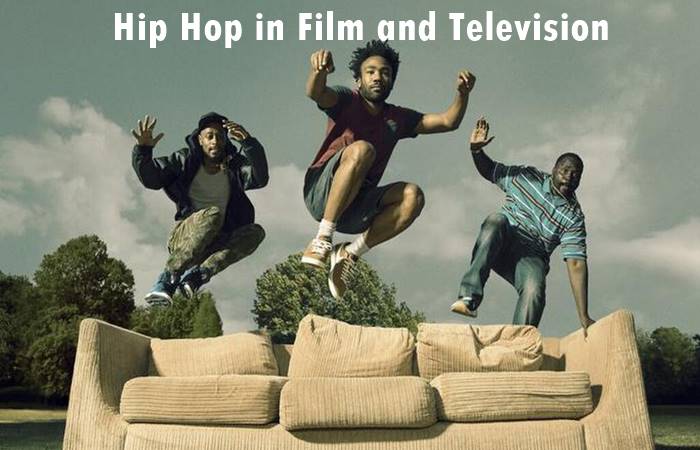
  • Hip Hop in Film and Television: How Movies & TV Shape, Reflect, and Amplify the Culture

    Hip Hop in Film and Television: How Movies & TV Shape, Reflect, and Amplify the Culture

    Hip Hop in Film and Television: Representing the Culture

    Hip Hop in Film and Television: Representing the Culture.


    Hip Hop is more than music; it is a complete culture born from the creative resilience of Black and Brown communities in the post-industrial Bronx of the 1970s. Its four core elements—DJing, MCing, Breakdancing, and Graffiti—provided the foundation, but its spirit, its politics, its fashion, and its language have permeated every corner of global society. While records and radio spread the sound, it has been film and television that have provided the narrative architecture, the visual vocabulary, and the mainstream platform to translate Hip Hop’s complex reality, aspirations, and struggles for a worldwide audience. The relationship is symbiotic: Hip Hop has fueled countless stories on screen, and in turn, those screens have shaped the culture’s evolution, mythology, and commercial power.

    The Early Reels: Documenting the Birth (1980s)

    The first wave of Hip Hop on screen was largely documentary and exploitative, caught between authentic representation and commodification. Films like Wild Style (1983) and Style Wars (1983) remain priceless cultural artifacts. Wild Style, directed by Charlie Ahearn, was a semi-fictional narrative that featured pioneering figures like Grandmaster Flash, Fab 5 Freddy, and the Rock Steady Crew. It didn’t just show performances; it depicted the interconnected ecosystem of rappers, DJs, b-boys, and graffiti artists within the vibrant, gritty landscape of New York City. Style Wars, the PBS documentary, did similar foundational work for graffiti, treating it as a legitimate, controversial art form.

    Alongside these authentic portraits came Hollywood’s packaged version. Breakdance films like Beat Street (1984) and Breakin’ (1984) sanitized and sensationalized the culture for mass consumption, yet they were instrumental in triggering a global phenomenon. They presented Hip Hop as a lively, physical, and non-threatening form of street entertainment, focusing on dance battles over lyrical content or social commentary. This era established a critical tension that would persist: the struggle between authentic, community-driven storytelling and mainstream, profit-driven caricature.

    The Gangsta Narrative and The Rise of the “Hood Film” (Late 1980s – 1990s)

    As Hip Hop music grew harder and more politically charged, so did its cinematic counterparts. The late 80s and early 90s saw the emergence of the “hood film,” a genre directly fueled by the aesthetics and themes of Gangsta Rap and conscious Hip Hop. These films moved beyond celebration to grapple with systemic issues: poverty, police brutality, drug epidemics, and intra-community violence.

    • Boyz n the Hood (1991, directed by John Singleton) and Menace II Society (1993, directed by The Hughes Brothers) are the towering pillars of this era. Their soundtracks, featuring Ice Cube, Dr. Dre, and others, were not mere accompaniments but essential narrative components. The music articulated the characters’ inner turmoil and the environment’s oppressive reality. Ice Cube’s transition from N.W.A. to star of Friday (1995) further blurred the lines, creating a comedic yet grounded vision of Black life that was saturated with Hip Hop sensibility.

    This period cemented the image of the rapper-actor, proving that the charisma and authenticity required for the mic could translate to the screen. Tupac Shakur’s raw performances in Juice (1992) and Poetic Justice (1993) and The Notorious B.I.G.’s cameo in Juice demonstrated Hip Hop’s potent dramatic force. The “hood film” was often criticized for perpetuating negative stereotypes, but its defenders argued it provided an unfiltered lens on American neglect and created space for Black directors and stories within a white-dominated industry.

    Mainstream Assimilation and Comedy (1990s – 2000s)

    As Hip Hop’s commercial power exploded, its presence on screen diversified. It was no longer confined to urban dramas. The culture became a lens for universal stories of ambition, identity, and comedy.

    • The Hip Hop Fairy Tale: Films like 8 Mile (2002) used the classic underdog sports-movie structure but applied it to the battle rap scene. Eminem’s semi-autobiographical story mythologized the battle as a gladiatorial arena where talent and sheer will could overcome circumstance.

    • The Hip Hop Comedy: The Friday series, How High (2001), and Barbershop (2002) used Hip Hop’s humor, slang, and celebrity cameos to craft comedies that felt culturally specific yet broadly accessible. They showcased the everyday life and humor within Black communities, a counterpoint to the relentless gravity of the hood films.

    • Television’s Embrace: On TV, The Fresh Prince of Bel-Air (1990-1996) used Will Smith’s rap persona as a springboard for a family sitcom that subtly discussed class and race. Later, shows like Moesha and The Steve Harvey Show integrated Hip Hop stars and themes into their plots, normalizing the culture in American living rooms.

    The Modern Era: Complexity, Prestige, and Global Domination (2010s – Present)

    Today, Hip Hop’s relationship with film and TV has matured into one of nuanced storytelling and authorial control. The culture is no longer a novelty or a single genre; it is a rich historical backdrop and a contemporary lingua franca.

    • Prestige Biopics: Films like Straight Outta Compton (2015) and All Eyez on Me (2017) presented Hip Hop history as epic, rise-and-fall drama, appealing to both original fans and new generations. They grappled with legacy, business exploitation, and cultural impact on a grand scale.

    • Auteur-Driven Stories: Atlanta (2016-2022), created by and starring Donald Glover (Childish Gambino), represents the apex of Hip Hop’s narrative integration. It’s not about Hip Hop in a biographical sense; it exists within the surreal, anxious, and brilliant psyche of the culture itself. It uses the music industry as a backdrop to explore modern Black identity, socio-economics, and the absurdities of fame with unparalleled originality.

    • Global and Streaming Platforms: Netflix’s The Get Down (2016-2017) was a costly, if short-lived, attempt to mythologize the culture’s birth. More successfully, documentaries like Hip-Hop Evolution and Sample-Based productions on streaming services provide deep-dive historical context. Meanwhile, reality competition shows like Rhythm + Flow seek to find the next star, continuing the tradition of screen media as a talent incubator.

    • Cultural Fabric: Now, Hip Hop references and aesthetics are seamlessly woven into unrelated genres. A superhero movie (Black Panther’s soundtrack), a teen drama (Euphoria’s musical cues), or a period film (Bridgerton’s string quartet covers) all use Hip Hop to instantly communicate tone, attitude, and modernity.

    The Unresolved Tension: Authenticity vs. Exploitation

    Despite its ascendance, the core tension remains. Who controls the narrative? For every Atlanta or Dear White People (which uses Hip Hop as intellectual and social currency), there are productions that reduce the culture to a shallow aesthetic—a baggy hoodie, a trap beat, a graffiti wall—devoid of its historical or political meaning. The challenge for filmmakers and showrunners is to move beyond stereotype and soundtracking to engage with Hip Hop’s intellectual tradition: its critiques of power, its innovative storytelling, and its profound expression of joy and resilience.

    ALSO READ: Andile Dlamini Weds: Banyana Banyana Star’s Elegant Wedding & Heartwarming Celebration of Love

    Conclusion: The Screen as a Cultural Mirror and Engine

    From the crumbling Bronx playgrounds in Wild Style to the dreamlike streets of Atlanta, film and television have been indispensable partners in Hip Hop’s journey. They have documented its birth, amplified its rebels, mythologized its stars, critiqued its flaws, and ultimately, validated its complexity. The screen acts as both a mirror, reflecting the culture’s truths back to itself, and an engine, propelling its ideas, styles, and language to every corner of the globe. As Hip Hop continues to evolve as the dominant cultural force of the 21st century, its stories on screen will remain essential—not just for entertainment, but as a living, breathing archive of a revolution that changed the world. The beat, indeed, goes on.
  • Sampling History: The Origins, Evolution & Ethical Debates of Hip Hop’s Foundation

    Sampling History: The Origins, Evolution & Ethical Debates of Hip Hop’s Foundation

    Sampling History: The Origins, Evolution & Ethical Debates of Hip Hop's Foundation

    Sampling History: The Origins and Ethics of Hip Hop’s Foundational Art.


    The very essence of hip hop—its rhythm, its nostalgia, its collage of sound—is built upon a practice both revolutionary and contentious: sampling. More than a mere production technique, sampling is the art of excavating, recontextualizing, and reanimating fragments of pre-existing recordings to create something entirely new. It is the thread that connects the block parties of the 1970s Bronx to the global digital studios of today, a story of technological innovation, artistic rebellion, cultural dialogue, and relentless legal and ethical debate. To understand sampling is to understand hip hop’s journey from the margins to the mainstream, its creative soul, and its ongoing struggle for artistic legitimacy.

    The Origins: Birth of a Loophole (1970s – Early 1980s)

    The genesis of sampling was not an artistic choice born in a vacuum; it was a creative necessity forged from limitation. In the socio-economically devastated South Bronx of the 1970s, the pioneers of hip hop did not have access to traditional instruments or formal music training. What they had were turntables, a handful of records (often their parents’ discarded funk, soul, and disco LPs), and monumental creativity.

    The founding father of this approach was Kool Herc. His innovation wasn’t to play a record from start to finish, but to isolate and extend the most rhythmic, dance-friendly sections—the “breaks.” Using two copies of the same record on twin turntables, he would loop the break indefinitely, creating a continuous, hypnotic rhythmic bed for MCs to rhyme over. This “breakbeat” practice was the philosophical and practical precursor to sampling: it valued a recorded fragment over the whole, prioritizing groove and function over original composition.

    The technological catalyst arrived with the E-mu Emulator and, more pivotally, the Akai MPC series in the mid-1980s. The MPC, especially, became the sampler of choice for legends like J Dilla, Pete Rock, and DJ Premier. It was more than a machine; it was an instrument. With its tactile pads and intuitive sequencing, it allowed producers to chop a breakbeat into individual hits—a kick, a snare, a hi-hat—and reprogram them into entirely new, often more complex, rhythmic patterns. This shifted sampling from mere looping to recomposition. The breakbeat from The Winstons’ “Amen, Brother” or James Brown’s “Funky Drummer” became raw clay, molded into the bedrock of countless hip hop classics.

    This era operated in a legal gray area. Sampling was seen as an underground, non-commercial folk art. Records were cleared through a mix of obscure sources, sheer obscurity, or outright omission. The ethos was “digging in the crates”—a producer’s merit was tied to their dedication to unearthing forgotten gems, creating a tangible link to musical history and asserting a form of cultural scholarship.

    The Legal Reckoning: The Golden Age Under Siege (Late 1980s – 1990s)

    As hip hop exploded commercially, its foundational practice collided head-on with copyright law. The legal system struggled to categorize sampling: was it theft, fair use, or a new form of musical quotation?

    The landscape changed irrevocably with two landmark cases:

    1. Grand Upright Music, Ltd. v. Warner Bros. Records Inc. (1991): Biz Markie’s use of a Gilbert O’Sullivan sample on “Alone Again” led to a stark, famous ruling: “Thou shalt not steal.” This case established a zero-tolerance precedent. Sampling without prior clearance was now definitively copyright infringement. It sent panic through the industry, leading labels to institute strict “sample clearance” departments.

    2. Bridgeport Music, Inc. v. Dimension Films (2005): This Sixth Circuit ruling went even further, declaring that any unauthorized sampling, no matter how short or unrecognizable, constituted infringement. The court’s infamous logic: “Get a license or do not sample.” This “de minimis” dismissal stifled creativity, making it legally perilous to use even a two-note fragment without costly clearance.

    The consequences were profound. The “Golden Age” of hip hop (late 80s to early 90s), characterized by dense, multi-layered sample collages from artists like De La Soul, The Beastie Boys, and Public Enemy, became financially impossible to produce. Albums like De La Soul’s “3 Feet High and Rising” (which used dozens of uncleared samples) became legal quagmires, trapped in release limbo for decades. Production shifted toward:

    • Replaying/Interpolation: Hiring session musicians to re-record a melody or groove, requiring only a cheaper “compositional” license.

    • Original Composition: A move toward synthesizers and live instrumentation.

    • Cleared, Simpler Samples: A focus on one or two legally-cleared, often expensive, iconic loops.

    The artistic result was a dilution of hip hop’s archival, referential texture. The legal message was clear: the culture’s foundational art form was, in the eyes of the law, inherently suspect.

    The Ethical Dimension: Theft vs. Tribute

    Beyond courtrooms, a fierce ethical debate persists. Critics, often from outside the culture, decry sampling as lazy theft, a parasitic practice that robs original artists of compensation and credit.

    Hip hop artists and advocates counter with a more nuanced view:

    • Transformation & Recontextualization: A great producer doesn’t just take; they transform. They might slow down a soul vocal to create melancholy, isolate a obscure horn stab for tension, or chop a break beyond recognition to forge a new rhythm. The new creation has a different meaning, feel, and purpose.

    • Cultural Preservation & Dialogue: Sampling acts as a living archive. It resurrects forgotten artists (like Lyn Collins or Bob James) for new generations, often leading to revived interest and royalties. It creates a continuous conversation across generations and genres.

    • The Producer as Curator & Scholar: The act of “digging in the crates” is research. The producer’s skill lies in selection, juxtaposition, and meaning-making, much like a film director or collage artist.

    • The Issue of Equity: Many early sampled works were by Black artists who received unfair industry deals. While they deserve compensation, the complex system often sees most settlement money going to record labels and publishers, not the original artists. The ethical demand is for a fair and streamlined system that rewards both past and present creators.

    The Modern Landscape: Neo-Sampling and New Frontiers (2000s – Present)

    Today, sampling thrives in evolved, often paradoxical forms.

    • The “Looping” Renaissance: Producers like Madlib, Kanye West (in his early work), and The Alchemist have brought back the aesthetic of the recognizable loop, using it as a foundational mood. They navigate the complex clearance world with larger budgets or strategic obscurity.

    • Digital Democratization & Micro-Sampling: Software like Ableton Live and Splice has democratized sampling. “Micro-sampling”—using extremely short, often pitch-shifted fragments—allows for transformation that skirts recognizability but not necessarily legality, per the Bridgeport ruling.

    • The “Type Beat” & Generic Samples: A vast online economy sells pre-cleared, generic sample loops and “type beats,” sometimes leading to homogenization but also providing an accessible, legal entry point.

    • New Legal Models: Services like Tracklib offer a Spotify-like library of fully clearable songs, streamlining the process. Some artists, like Taylor Swift, have embraced being sampled, seeing it as flattering and culturally relevant.

    The frontier now extends to AI-powered stem separation and sound generation, posing new questions: Is sampling an AI-trained model on a genre’s history ethical? Can you “sample” a style itself?

    ALSO READ: Siya Kolisi’s Homecoming: Stormers Confirm 2026 Return for Bok Captain in Emotional Family & Legacy Move

    Conclusion: An Unfinished Symphony

    The history of hip hop sampling is an unfinished symphony of innovation battling regulation, of reverence clashing with robbery. It began as a street-level solution and grew into one of the most influential artistic techniques of the 20th century. While legal battles have forced it into new shapes, they have never extinguished its core power: the ability to weave a tapestry of shared sonic history, to speak to the present through the voices of the past, and to assert that creativity is often a conversation, not a monologue. The ethics remain contested, but the art form endures, constantly evolving, reminding us that in the right hands, a fragment of the past can become the heartbeat of the future. The sample is not just a sound; it is a bridge, a citation, and a claim to a cultural legacy that the law is still learning to hear.

  • Mbadiwe Twins BBN Biography: Age, Ozee & Ocee’s Net Worth, Career, Family

    Check all about BBNaija Mbadiwe Twins Biography including Ozee & Ocee Age, State of Origin, Net Worth, Career, Family, Father, Grandfather.


    fakazahiphop presents everything you need to know about Ocee and Ozee, The BBNaija Mbadiwe twins, the dynamic identical twins captivating audiences on Big Brother Naija Season 9, No Loose Guard. With their impressive background in law, unique personalities, and strong family ties, the Mbadiwe Twins are making waves both in and out of the Big Brother house. This biography dives deep into their lives, covering everything from their early years to their career achievements and their notable family lineage.


    Profile Summary

    • Full Names: Oseloka Mbadiwe (Ocee) and Ozumba Mbadiwe (Ozee)
    • Date of Birth: November 9, 1987
    • Age: 37 years old (as of 2024)
    • Zodiac Sign: Scorpio
    • Place of Birth: Arondizuogu, Imo State, Nigeria
    • Nationality: Nigerian
    • State of Origin: Imo State, Nigeria
    • Marital Status: Single
    • Education: University of Bradford (UK), Nigerian Law School
    • Occupation: Lawyers, TV personalities
    • Notable for: Big Brother Naija Season 9 contestants
    • Father: Chief Chukwunyere Mbadiwe
    • Grandfather: Greg Ozumba Mbadiwe
    • Net Worth: $500,000 (approx. ₦775,000,000)


    BBNaija Mbadiwe Twins Biography & Early Life

    Born on November 9, 1987, in the historic town of Arondizuogu, Imo State, Nigeria, the Mbadiwe Twins, Ocee and Ozee, hail from a distinguished Nigerian family. Their grandfather, Greg Ozumba Mbadiwe, was a prominent politician who played a vital role in Nigeria’s fight for independence. The twins’ father, Chief Chukwunyere Mbadiwe, is a successful businessman and politician, further cementing the family’s legacy in public service and entrepreneurship.

    Growing up in a household where politics, business, and public service were central themes, Ocee and Ozee were encouraged to excel academically and contribute meaningfully to society. Their close-knit bond as identical twins played a significant role in shaping their lives. Even though they shared many commonalities, they were encouraged to embrace their unique personalities and talents.

    RELATED: Nelita BBNaija Biography: Age, Boyfriends, Tribe, Anita & Nelly’s Net Worth

    The twins’ early education took place in Nigeria before they moved to the United Kingdom to attend the prestigious University of Bradford, where they both pursued degrees in law. Their academic journey continued at the Nigerian Law School, where they earned their Barrister at Law (BL) degrees. This solid legal foundation would become the bedrock of their professional careers.


    Mbadiwe Twins BBN Career

    Following their legal education, Ocee and Ozee Mbadiwe returned to Nigeria to embark on their legal careers. They quickly gained recognition for their expertise in various areas of law, working in prominent law firms in Lagos. Their identical appearances often led to humorous situations in courtrooms and offices, with clients and even colleagues occasionally struggling to tell them apart.

    Their careers as lawyers were just one aspect of their multifaceted lives. In addition to their legal work, the Mbadiwe twins were involved in business ventures that showcased their entrepreneurial spirit. Their participation in the British documentary “From London to Lagos: Meet Britain’s New Super Rich” gave the public a glimpse into their opulent lifestyle and growing business interests.

    However, it wasn’t until they joined Big Brother Naija Season 9 that Ocee and Ozee truly stepped into the spotlight. As the first set of identical twins to ever compete on the show, they brought a fresh dynamic to the reality TV series. Their charm, intelligence, and legal expertise made them instant fan favorites. Throughout the competition, they leveraged their wit and strong personalities, making their mark on the entertainment industry.


    BBN Mbadiwe Twins Family Legacy

    The Mbadiwe Twins come from a deeply respected family in Nigerian society. Their grandfather, Greg Ozumba Mbadiwe, was a key figure in Nigeria’s independence movement and later served as a minister in the government. He was known for his advocacy for a strong, independent Nigeria and his dedication to public service. This legacy of political involvement and public responsibility has been passed down through generations of the Mbadiwe family.

    Their father, Chief Chukwunyere Mbadiwe, followed in his father’s footsteps by engaging in both business and politics. As a successful businessman and politician, Chief Chukwunyere has been a source of inspiration for his twin sons, instilling in them the values of hard work, integrity, and ambition. The family’s influence and values are evident in the way the Mbadiwe Twins carry themselves, whether in their professional careers or in the entertainment sphere.


    The Mbadiwe Twins in Big Brother Naija Season 9 (No Loose Guard) House

    The Mbadiwe Twins made history alongside Wanni x Handi as the first identical twins to ever compete on Big Brother Naija. Their entrance into the show immediately garnered attention due to their unique dynamic and impressive backgrounds. Ocee and Ozee’s participation in the show adds a new dimension to their public personas, showcasing their adaptability and charisma.

    On the BBN show, their close bond and shared experiences as twins have been both a strength and a point of intrigue. Their strategy and teamwork often put them ahead of the competition, but it’s their individual personalities that truly set them apart. Ocee is known for his analytical mind and calm demeanor, while Ozee’s lively and charismatic personality often takes center stage. Together, they complement each other perfectly, making them a formidable force in the Big Brother house.

    RELATED: Streeze BBNaija Biography: Age, Net Worth, Tribe, Toby Forge & Mayor Frosh’s Parents

    The twins’ experience in law, combined with their entertainment ventures, has given them a unique advantage in the competition. Whether they are negotiating alliances or navigating challenges, their intelligence and quick thinking have made them stand out among their peers.


    Mbadiwe Twins Net Worth and Ventures

    Ocee and Ozee Mbadiwe have built a significant net worth estimated at around $500,000 (₦775,000,000). This wealth has been accumulated through their successful legal careers and various business ventures. Their participation in high-profile entertainment projects, such as Big Brother Naija and the British documentary “From London to Lagos,” has further boosted their public profiles and financial standing.

    The twins have always had a knack for entrepreneurship, exploring opportunities beyond the legal field. Their success in both law and entertainment is a testament to their versatility and drive.


    Frequently Asked Questions

    1. What are the Mbadiwe Twins’ real names?

    Answer: The real names of the Mbadiwe Twins are Oseloka Mbadiwe (Ocee) and Ozumba Mbadiwe (Ozee).

    2. How old are the Mbadiwe Twins?

    Answer: Ocee and Ozee Mbadiwe were born on November 9, 1987, making them 37 years old as of 2024.

    3. Where are the Mbadiwe Twins from?

    Answer: The Mbadiwe Twins are from Arondizuogu, Imo State, Nigeria.

    4. What is the Mbadiwe Twins’ net worth?

    Answer: The combined net worth of Ocee and Ozee Mbadiwe is estimated to be around $500,000 (₦775,000,000).

    5. Why are the Mbadiwe Twins famous?

    Answer: The Mbadiwe Twins are famous for their participation in Big Brother Naija Season 9 and their appearance in the British documentary “From London to Lagos: Meet Britain’s New Super Rich.”

    6. Who is the father of the Mbadiwe Twins?

    Answer: The father of the Mbadiwe Twins is Chief Chukwunyere Mbadiwe, a well-known Nigerian businessman and politician.


    Conclusion

    The Mbadiwe Twins, Ocee and Ozee, are more than just contestants on Big Brother Naija Season 9. They are multifaceted individuals with a rich family heritage, successful legal careers, and a growing presence in the entertainment world. Their journey from Arondizuogu, Imo State, to the Big Brother Naija house reflects their ambition, intelligence, and drive to make a lasting impact on both the legal and entertainment landscapes. As they continue to captivate audiences with their unique dynamic and undeniable charm, the future looks bright for these talented twins.