
Tag: South Africa

  • Club Nights: The Essential South African Amapiano & House DJ Mix to Get You Moving

    Club Nights: The Essential South African Amapiano & House DJ Mix to Get You Moving

    Club Nights: The Essential South African Amapiano & House DJ Mix to Get You Moving

    Club Nights: The Essential DJ Mix to Get You Moving – The South African Pulse.


    Forget the pre-party playlist. In South Africa, the journey from sunset to sunrise is a sacred pilgrimage, a rhythmic narrative woven by the hands of sonic shamans—the DJs. A “club night” here is more than just a social event; it’s a cultural reset, a communal heartbeat, and a physical conversation with the rhythm. The right DJ mix isn’t background music; it’s the fuel, the map, and the very language of the night. This is your guide to the essential soundscapes that get South Africa moving, from the smokey basements of Soweto to the glittering beachfronts of Durban and the cosmopolitan rooftops of Cape Town.

    The Soundtrack of a Nation: Understanding the Genres

    To navigate the South African club night, you must first speak its musical dialects. The sonic palette is rich, diverse, and constantly evolving.

    Amapiano: The Undisputed Sovereign. Born in the townships of Pretoria and Johannesburg, Amapiano (“the pianos”) is the soul of the contemporary scene. It’s a hypnotic, mid-tempo fusion of deep house, jazz, and lounge music, characterized by its bouncing, repetitive basslines, soulful piano melodies, and the iconic log drum that provides its unmistakable skeletal shuffle. A great Amapiano mix is a journey of patience and groove, building slowly, layering percussive elements, and creating a swaying, euphoric trance. Artists like Kabza De Small (The King of Amapiano), DJ MaphorisaFelo Le TeeMr JazziQ, and DBN Gogo are the genre’s architects and premier selectors.

    Gqom: The Dark, Driving Pulse from Durban. If Amapiano is a smooth, rolling wave, Gqom is a tectonic shock. Hailing from Durban, its name is onomatopoeic for the “drum hit” sound at its core. Minimalist, raw, and powerfully percussive, Gqom is stripped-back, often dark, and designed for intense, frantic dancing. Its rhythms are complex, polyrhythmic, and demand a physical response. Think less sway, more stomp. Pioneers like RudeboyzCruel Boyz, and DJ Lag forged this sound that has influenced global bass music.

    Afro House: The Spiritual Connection. While Amapiano dominates charts, Afro House remains the spiritual and international ambassador of South African dance music. It’s deeper, more melodic, and often infused with soulful vocals, live percussion, and a sense of expansive, sunrises-over-the-savanna grandeur. DJs like Black CoffeeCuloe De SongDa Capo, and Manoo craft mixes that are emotional, sophisticated, and powerfully driving, connecting the dancefloor to a deeper, almost ancestral frequency.

    Bacardi & Soulful House: The Foundation. The roots of the current explosion lie in the soulful and vocal house scenes that thrived in the 2000s. This sound, often smoother and filled with uplifting melodies and powerhouse vocals, is the bedrock for many legendary parties and remains a vital strand in a masterful DJ’s set, especially during warm-up or peak emotional moments.

    The Essential Mix Archetypes: From Warm-Up to After-Hours

    A perfect South African club night mix is expertly paced. It tells a story.

    1. The “S’dudla” Warm-Up Mix (The Settler). This is the early evening sound. The tempo is manageable, the mood is soulful and inviting. You might hear deeper Amapiano cuts, classic South African soulful house, or Afro House with jazzy undertones. The goal isn’t to explode but to simmer, to draw people in, to set a mood of anticipation. Think of mixes by Josiah De Disciple or early evening sets from MFR Souls.

    2. The “Shandis” Peak-Time Burner (The Igniter). This is it—the main event. The mix is high-energy, packed with current bangers, vocal anthems, and relentless groove. The DJ seamlessly blends the biggest Amapiano vocals, the hardest Gqom drops, and the most infectious Afro House rhythms. The track selection is crowd-centric, designed for unanimous shouts when the chorus drops. This is the domain of festival headliners and club destroyers: Kabza & Maphorisa’s Scorpion Kings sets, DBN Gogo’s high-octane performances, or Major League DJz’s Balcony Mix energy.

    3. The “Strictly Piano” Deep Dive (The Purist). For the connoisseurs. This mix stays devoutly within the Amapiano realm, exploring its sub-genres—from the spiritual “Private School” piano with its complex melodies to the darker, drum-heavy “Sgija” style. It’s a lesson in the genre’s depth, avoiding pop crossovers for pure, unadulterated groove. Seek out mixes from Felo Le TeeMick Man, or Lady Du for this authentic experience.

    4. The “Umsebenzi” After-Hours Mix (The Journey). As the sun threatens the horizon, the vibe shifts. This mix is deeper, more experimental, and introspective. It might blend slower, jazzy Amapiano with classic deep house, African jazz, or even soulful Kwaito edits. It’s for the dedicated few still moving, lost in the music’s final chapter. DJs like Black Coffee or Citizen Deep excel at this narrative, emotional closing style.

    Where to Find Your Essential Mix: The Digital Dancefloor

    The beauty of the modern era is that the club night experience is portable. Your essential mix is waiting on:

    • YouTube: The primary hub. Search for “[DJ Name] Mix 2024,” “Amapiano Mix Live,” or specific series like “Major League DJz – Balcony Mix,” “Podcast Of The South,” or “Live At The River.” The visuals of a vibrant crowd are part of the energy.

    • SoundCloud & Mixcloud: Home to longer, often downloadable mixes, radio show archives, and emerging talent. Perfect for discovering underground sounds.

    • Datafilehost & Fakaza: For direct MP3 downloads, especially of recent live recordings and exclusive street mixes that circulate within hours of a party ending. (Always ensure you are supporting artists where possible).

    The Cultural Ritual: More Than Just Music

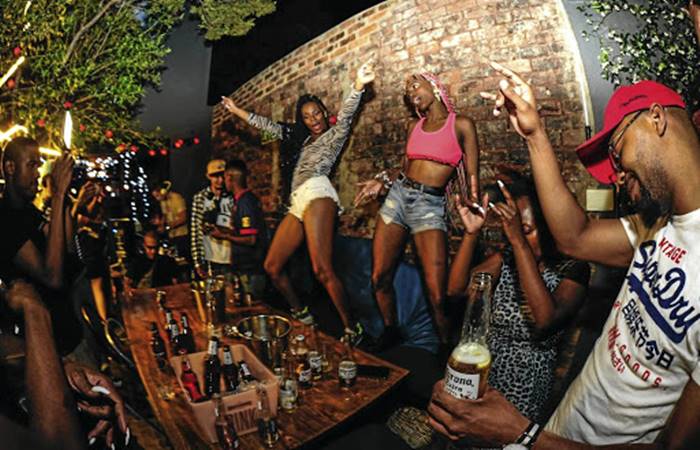
    Finally, to understand the essential mix, you must understand its context. The “club night” in South Africa is a ritual of resilience, joy, and community. It’s where fashion is showcased (from the latest sneakers to tailored fits), where language evolves through slang and call-and-response, and where the stresses of daily life are literally danced away. The DJ is a curator of this energy. The whistle (mphetho) cutting through the air, the synchronized dance moves, the shared echo of a lyric—these are all part of the mix.

    ALSO READ: Sampling History: The Origins, Evolution & Ethical Debates of Hip Hop’s Foundation

    Conclusion: Your Move to Download the Night

    Finding your essential DJ mix is about finding your rhythm within South Africa’s vast sonic landscape. Do you connect with the spiritual pulse of Afro House, the raw energy of Gqom, or the dominant, joyful sway of Amapiano? Start with the titans—download a Kabza De Small live set, feel the Durban thunder with a DJ Lag mix, or experience global sophistication with a Black Coffee Ibiza residency recording. Let the first log drum hit signal the beginning of your night. Press play, turn up the volume, and respond to the only imperative that matters on this digital dancefloor: Get Moving. The rhythm is calling, and it speaks with a distinctly South African accent.

  • Broos BREAKS DOWN Moremi Impact: How a Pirates Winger Changed the Game & Why He Replaced Nkota

    Broos BREAKS DOWN Moremi Impact: How a Pirates Winger Changed the Game & Why He Replaced Nkota

    Broos BREAKS DOWN Moremi Impact: How a Pirates Winger Changed the Game & Why He Replaced Nkota

    BROOS DROPS TRUTH BOMB: How Tshepang Moremi’s “Electric” Sub Changed Everything in Bafana’s AFCON Opener. 


    The vibes in the Bafana Bafana camp are officially ELECTRIC after a hard-fought 2-1 victory against Angola to kick off their Africa Cup of Nations campaign. But behind the scoreline, a tactical masterstroke from head coach Hugo Broos is dominating the conversation. In a post-match revelation, Broos broke down the crucial second-half move that injected rocket fuel into Bafana’s play: substituting Mohau Nkota for Orlando Pirates’ livewire, Tshepang Moremi.

    While goals from Oswin Appollis and Lyle Foster secured the precious three points, it was the introduction of the pacey winger that shifted the entire momentum of the match. Moremi didn’t just enter the pitch; he ignited it, delivering a performance that has the nation buzzing and opponents on notice.

    “Suddenly, There Was Speed” – Broos Reveals Game-Changing Sub

    Speaking candidly to SABC Sport, Coach Broos didn’t hold back in praising his game-changer. “Tshepang did wonderful coming into the team,” Broos stated. “Suddenly there was speed in our team, we were dangerous. We scored a goal which was offside… but yes, he was a constant threat for our opponents and he did it very well in the 45 minutes he played.”

    That disallowed goal—a moment of sheer individual brilliance from Moremi—epitomized his impact. Cutting inside and leaving Angolan defenders scrambling, he found the net only for VAR to intervene. Yet, the message was sent: his direct running and fearless approach were exactly what Bafana needed to break a stubborn Angola side that was growing into the game.

    ALSO READ: CAF President Unveils Historic $10m Prize Money for AFCON 2025 in Morocco

    The Nkota-Moremi Swap: A Tactical Deep Dive

    The first half saw Bafana struggle to find rhythm, leading 1-0 but allowing Angola back into contention. Broos admitted his displeasure, noting the team “fell asleep.” The halftime solution? Inject pure velocity. Mohau Nkota’s exit and Tshepang Moremi’s entrance was a direct order to stretch the game and apply pressure higher up the pitch.

    The result was instantaneous. Moremi’s presence on the flanks forced Angola’s defense into retreat, creating space for Foster and Appollis. The movement Broos craved returned, chances flowed, and the decisive second goal followed. This substitution wasn’t just a fresh leg; it was a calculated strategic shift to seize control.

    Broos on the Big Picture: “We Avoided Big Trouble”

    Beyond the individual praise, Broos emphasized the monumental importance of this opening win. “We tried to avoid that because if you’ve lost the game today, then you have Egypt next, and then you are in big trouble,” he explained, highlighting the pressure of the tournament’s group stage. The victory provides a critical cushion and a surge of confidence as Bafana prepares for their next massive challenge.

    What This Means for the Egypt Clash & Beyond

    The performance solidifies Moremi’s case for a starting role or, at minimum, a potent weapon off the bench. His ability to destabilize defenses adds a new dimension to Bafana’s attack. As Broos’ men now turn their focus to the Pharaohs of Egypt this Friday, all eyes will be on the coach’s team sheet. Will Moremi’s “wonderful” cameo earn him a spotlight from the first whistle?

    One thing is clear: in the high-stakes tournament arena, Hugo Broos has shown he’s not afraid to make bold moves. And in Tshepang Moremi, he may have just unlocked the X-factor that could propel Bafana Bafana deep into the AFCON knockout rounds.

  • Rick Ross Shows Love to Nadia Nakai, Promises to Visit SA

    Rick Ross Expresses Admiration for Nadia Nakai, Commits to South Africa Visit.

    Rick Ross and Nadia Nakai


    In an engaging Instagram Live session, Rick Ross and Nadia Nakai shared a lively exchange, showcasing their mutual appreciation for each other’s music.

    The acclaimed American rapper has long been an avid supporter of South African talent, having previously endorsed renowned artists such as Kabza De Small, Nasty C, and DJ Maphorisa.

    During their conversation, Rick Ross and Bragga delved into various aspects of the music industry, expressing admiration for each other’s work. Nadia Nakai expressed her desire for Rick Ross to visit South Africa, to which he enthusiastically pledged to make the trip.

    Their dialogue extended to discussions about South African culture, potential collaborations, and the burgeoning Amapiano genre, highlighting the depth of their shared passion for music.

  • The Popularity of Amapiano Music in South Africa: A Phenomenon Explained


    Amapiano music has taken South Africa by storm, captivating the hearts and ears of millions. This article explores the reasons behind the extraordinary popularity of Amapiano, a unique genre that has become a cultural phenomenon in the country.

    The Birth of Amapiano

    Amapiano emerged in the late 2000s from the townships of South Africa, particularly in Gauteng province. It is a fusion of various musical styles, including house, kwaito, and jazz, characterized by its distinctive basslines, catchy melodies, and groovy beats. Amapiano artists and producers like Kabza De Small, DJ Maphorisa, and Focalistic played a pivotal role in shaping and popularizing the genre.


    Embracing Cultural Identity

    One of the key reasons for Amapiano’s popularity is its celebration of South African cultural identity. The genre incorporates elements of local languages, such as Zulu, Sotho, and Xhosa, in its lyrics. Amapiano songs often reflect the daily experiences, struggles, and aspirations of ordinary South Africans, allowing listeners to connect with the music on a deeper level. This authentic representation of their cultural heritage creates a strong sense of pride and belonging among the audience.

    [adinserter block=”1″]

    Infectious and Danceable Beats

    Amapiano’s infectious beats and rhythmic patterns are irresistibly danceable, making it the go-to genre for parties, clubs, and social gatherings. The energetic and uplifting nature of the music creates an atmosphere of joy and unity, bringing people together in celebration. Amapiano’s fusion of genres also offers versatility, allowing artists to experiment and create new sounds, ensuring its continued relevance and appeal to a wide range of listeners.


    Digital Age and Social Media

    The rise of Amapiano coincided with the boom of digital platforms and social media, enabling its rapid dissemination and global reach. Artists and producers used platforms like YouTube, SoundCloud, and TikTok to share their music, collaborate with international artists, and connect with fans worldwide. The accessibility and ease of sharing facilitated by these platforms played a crucial role in spreading the Amapiano craze beyond South Africa’s borders.

    [adinserter block=”1″]

    Conclusion

    Amapiano’s popularity in South Africa can be attributed to its cultural authenticity, infectious beats, and the power of digital platforms. The genre’s ability to connect with listeners on a personal and cultural level has made it a dominant force in the music industry, captivating both local and international audiences alike. Amapiano continues to evolve, promising an exciting future for South African music.

  • Rihanna’s “Fenty” Brand To Drop In South Africa, Nigeria And Other African Countries

    Rihanna excitedly announced that Fenty Skin and Beauty will be launched in Africa this month.

    Taking to her social media accounts, she mentioned countries where the products will drop on the 27th of May, 2022.

    “The wait is finally OVA!!! AFRICA – we pullin up! Who ready?! We’ve been workin hard to make this happen! We’ll be available in Nigeria, South Africa, Kenya, Namibia, Botswana, Ghana, Zambia, and Zimbabwe local retailers starting MAY 27,” she wrote.

    African flooded their post with excitement, revealing how they intend rocking her products once it gets launched in their countries.


    CHECK THE POST BELOW

    https://twitter.com/bonniesgIow/status/1524065455136288768?ref_src=twsrc%5Etfw%7Ctwcamp%5Etweetembed%7Ctwterm%5E1524065455136288768%7Ctwgr%5E%7Ctwcon%5Es1_c10&ref_url=https%3A%2F%2Ffakazanews.com%2F2022%2F05%2F10%2Frihannas-fenty-brand-to-drop-in-south-africa-nigeria-and-other-african-countries%2F