

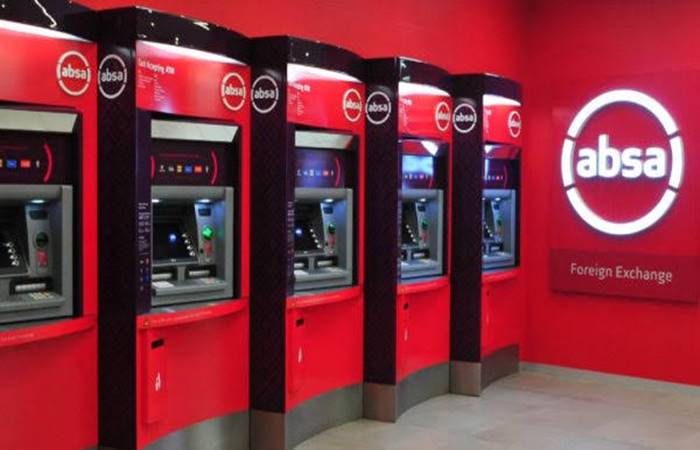
Absa has removed more than 100 automated teller machines (ATMs) and closed approximately 79 physical bank branches in South Africa during the first half of 2026. The reductions form part of a broader restructuring of Absa’s physical banking network, driven by a significant shift in customer behaviour as more South Africans move their banking activity to digital channels.
The changes were highlighted in the group’s interim results for the six months ending 30 June 2026. Absa reported that its traditional branch network declined by 18% to 359 branches, while its ATM network decreased by 2% to 4,976 machines. This represents a reduction of approximately 79 branches and more than 100 ATMs from the previous reporting period.
Why Absa is Reducing Its ATM and Branch Network
The shift away from physical banking infrastructure is being driven by several key factors. Most importantly, Absa’s customers are increasingly turning to digital platforms for their everyday banking needs.
Across the Absa Group, the number of active digital customers increased by 14% year-on-year. In South Africa specifically, digitally active customers rose by 10% to 3.8 million, while the Africa Regions recorded a 21% increase to 1.6 million.
Absa also noted a decline in branch cash transaction volumes, which contributed to the decision to reduce its traditional footprint. The bank stated that evolving customer preferences and behaviour drove the transformation of the distribution network.
The changes come as South African consumers continue to face pressure from higher living costs and elevated levels of household debt, making convenient and affordable digital banking services increasingly attractive.
Absa’s Expanding Smaller Outlets
While Absa is reducing its traditional branches and ATMs, the bank is simultaneously expanding its network of smaller Sales and Service outlets.
Absa increased these smaller outlets by 76% to 215 during the reporting period. These outlets now account for 37% of the bank’s total network, compared with 22% in the previous reporting period.
This suggests that Absa is not abandoning physical banking altogether, but rather reshaping its network around the services customers still need in person. The bank is also offering alternative cash access solutions, including cash withdrawals at tillpoints through partnerships with national retail chains such as Pick n Pay and Boxer.
Absa’s first-to-market CashSend solution also allows customers to send and receive money securely via cellphone without the need for a card, further augmenting access to cash services.
Absa’s ATM Network Trends
The reduction in ATMs is part of a longer-term trend. Absa had 8,656 ATMs in South Africa in 2019, which had declined to 5,133 as of 30 June 2025. The latest reduction brings the total down further to 4,976 ATMs.
Despite these reductions, Absa maintains that its ATM network remains stable and strategically important to the company’s purpose of enabling access to quality banking services. The bank told MyBroadband that its network is supported through a combination of branch services, ATMs, and digital banking platforms.
Across South Africa’s big five legacy banks with extensive ATM networks, three have reduced their footprint since 2023. Absa’s ATM network dropped by 2.7% between 2023 and 2025, while FNB recorded a marginal decline of 0.3% during the same period.
What This Means for Absa Customers
For Absa customers, the reduction in ATMs and branches means greater reliance on digital banking channels for everyday transactions. The bank noted that South Africa recorded a 4% increase in active transactional customers, highlighting the role of digital capabilities in supporting customer engagement, driving transactional activity, and deepening customer relationships.
Absa is also investing in upgraded ATM models and self-service devices, including bulk cash deposit and cash-dispensing solutions. The bank says its ATM strategy is reviewed in line with the latest insights, banking trends, customer behaviours, and feedback to ensure its distribution network remains optimal.
ALSO SEE: Young Stunna Biography: South African Amapiano Star Behind Bopha and Adiwele
Other Banks Also Reducing ATM Networks
Absa is not alone in reducing its physical banking footprint. Nedbank and First National Bank have also reduced their cash machine networks since 2023 as banking increasingly moves towards digital services.
However, Capitec has taken a different approach, expanding its ATM network during the same period. The contrasting strategies reflect different customer bases and business models among South Africa’s major banks.
New Absa ATM Services
Despite the reduction in ATM numbers, Absa continues to innovate with new services through its existing ATM network. In January 2026, Absa launched a new Western Union self-service remittance redemption capability across its ATM network in South Africa.
The service allows customers to redeem international money transfers without visiting a branch, reducing waiting times and improving financial accessibility. Absa processes approximately 1,500 inbound remittances monthly through its ATMs and has paid out in excess of R20 million since the soft launch of the capability in July 2025.
Absa also previously partnered with the Unemployment Insurance Fund (UIF) to provide personalised pre-populated official UIF application forms through its ATM network, saving unemployed customers time and travel costs.
Key Takeaways
- ATMs Reduced: Absa removed over 100 ATMs in the first half of 2026, bringing its total ATM network to 4,976 machines.
- Branches Closed: Approximately 79 physical bank branches were closed, with total branches declining to 359.
- Digital Growth: Digitally active customers in South Africa increased by 10% to 3.8 million.
- Smaller Outlets: Absa expanded its Sales and Service outlets by 76% to 215 locations.
- Industry Trend: Major banks including Nedbank and FNB are also reducing their ATM networks, while Capitec is expanding.
- New Services: Absa continues to innovate with Western Union remittance services and UIF form access through ATMs.
Conclusion
The Absa ATM reduction reflects a fundamental shift in how South Africans bank. As digital adoption continues to grow, traditional banking infrastructure is being reshaped to match changing customer preferences. While the reduction in ATMs and branches may inconvenience some customers, it also reflects broader trends toward more convenient, accessible, and affordable digital banking services.