Category: Editorials

Welcome to the Fakaza HipHopza Editorials section. Here, we move beyond the music to explore the stories, debates, and forces shaping the South African music industry. From the business of festivals to the culture of awards and the impact of new technology, we provide in-depth analysis and opinion on the topics that matter.
The State of South African Music Festivals: Is the Local Voice Being Lost?
South Africa’s festival scene is at a crossroads. While international acts are flocking to our shores at an unprecedented rate , there’s a growing concern that our local talent is being pushed to the sidelines. Major festivals are increasingly budgeting millions for a single global headliner, while local artists are relegated to early slots and minimal pay .

This “international-first” strategy is a risky gamble. The recent struggles of the Hey Neighbour festival, which faced cancellations and refund issues, serve as a cautionary tale about building an event solely around big foreign names without a reliable local core . In contrast, the success of festivals like Liefde by die Dam, which books almost exclusively South African acts and sells out multiple cities, proves that local content can draw massive crowds . The question is: will major promoters learn this lesson before our festivals lose their cultural soul?
The SAMAs Under Fire: Why South Africa Stopped Watching
The 31st South African Music Awards (SAMAs) came and went, and according to many in the industry, most of Mzansi didn’t even notice. Grammy-winning artist Zakes Bantwini penned a powerful editorial criticizing the awards for losing their relevance and credibility, pointing to a lack of transparency in judging and a failure to evolve with the industry . His sentiments were echoed widely on social media, with fans citing poor sound quality, rigged perceptions, and a disconnect from the public . If the SAMAs are to be reclaimed as a true celebration of our music, industry bodies like RISA must lead the reform with diverse voices and a genuine connection to what’s happening on the ground .
AI in Amapiano: Innovation or Loss of Soul?
Amapiano finds itself at a fascinating crossroads with the rise of AI-generated music. Tracks like Rea Gopane’s “Suka!”, dubbed the first AI amapiano hit, have sparked fierce debate. While some fans praise the fresh, clean beats and experimentation, others argue the “robotic vocals” lack the soul and human emotion that define the genre . This tension raises profound questions about the future: Can a machine capture the cultural imprint of South African music? And if AI keeps making hits, what happens to the human producers and artists? This is a debate that will only get louder .

These are just a few of the critical conversations happening in our industry. We’ll continue to bring you thought-provoking editorials that dig deeper into the music business, artist spotlights, and cultural trends. Check back often for new perspectives on the sound of South Africa.

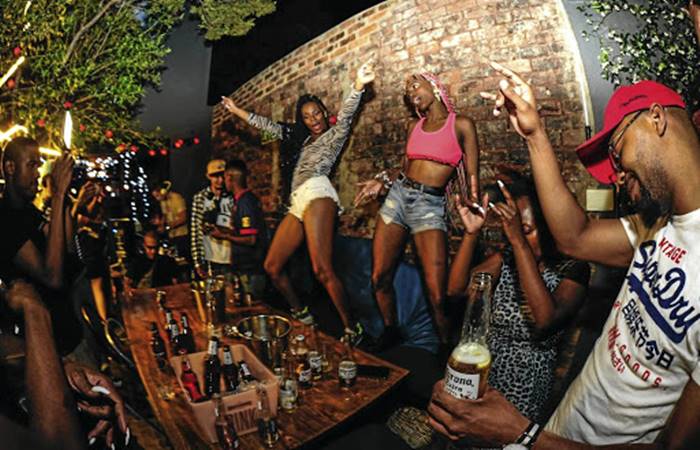
  • Club Nights: The Essential South African Amapiano & House DJ Mix to Get You Moving

    Club Nights: The Essential South African Amapiano & House DJ Mix to Get You Moving

    Club Nights: The Essential South African Amapiano & House DJ Mix to Get You Moving

    Club Nights: The Essential DJ Mix to Get You Moving – The South African Pulse.


    Forget the pre-party playlist. In South Africa, the journey from sunset to sunrise is a sacred pilgrimage, a rhythmic narrative woven by the hands of sonic shamans—the DJs. A “club night” here is more than just a social event; it’s a cultural reset, a communal heartbeat, and a physical conversation with the rhythm. The right DJ mix isn’t background music; it’s the fuel, the map, and the very language of the night. This is your guide to the essential soundscapes that get South Africa moving, from the smokey basements of Soweto to the glittering beachfronts of Durban and the cosmopolitan rooftops of Cape Town.

    The Soundtrack of a Nation: Understanding the Genres

    To navigate the South African club night, you must first speak its musical dialects. The sonic palette is rich, diverse, and constantly evolving.

    Amapiano: The Undisputed Sovereign. Born in the townships of Pretoria and Johannesburg, Amapiano (“the pianos”) is the soul of the contemporary scene. It’s a hypnotic, mid-tempo fusion of deep house, jazz, and lounge music, characterized by its bouncing, repetitive basslines, soulful piano melodies, and the iconic log drum that provides its unmistakable skeletal shuffle. A great Amapiano mix is a journey of patience and groove, building slowly, layering percussive elements, and creating a swaying, euphoric trance. Artists like Kabza De Small (The King of Amapiano), DJ MaphorisaFelo Le TeeMr JazziQ, and DBN Gogo are the genre’s architects and premier selectors.

    Gqom: The Dark, Driving Pulse from Durban. If Amapiano is a smooth, rolling wave, Gqom is a tectonic shock. Hailing from Durban, its name is onomatopoeic for the “drum hit” sound at its core. Minimalist, raw, and powerfully percussive, Gqom is stripped-back, often dark, and designed for intense, frantic dancing. Its rhythms are complex, polyrhythmic, and demand a physical response. Think less sway, more stomp. Pioneers like RudeboyzCruel Boyz, and DJ Lag forged this sound that has influenced global bass music.

    Afro House: The Spiritual Connection. While Amapiano dominates charts, Afro House remains the spiritual and international ambassador of South African dance music. It’s deeper, more melodic, and often infused with soulful vocals, live percussion, and a sense of expansive, sunrises-over-the-savanna grandeur. DJs like Black CoffeeCuloe De SongDa Capo, and Manoo craft mixes that are emotional, sophisticated, and powerfully driving, connecting the dancefloor to a deeper, almost ancestral frequency.

    Bacardi & Soulful House: The Foundation. The roots of the current explosion lie in the soulful and vocal house scenes that thrived in the 2000s. This sound, often smoother and filled with uplifting melodies and powerhouse vocals, is the bedrock for many legendary parties and remains a vital strand in a masterful DJ’s set, especially during warm-up or peak emotional moments.

    The Essential Mix Archetypes: From Warm-Up to After-Hours

    A perfect South African club night mix is expertly paced. It tells a story.

    1. The “S’dudla” Warm-Up Mix (The Settler). This is the early evening sound. The tempo is manageable, the mood is soulful and inviting. You might hear deeper Amapiano cuts, classic South African soulful house, or Afro House with jazzy undertones. The goal isn’t to explode but to simmer, to draw people in, to set a mood of anticipation. Think of mixes by Josiah De Disciple or early evening sets from MFR Souls.

    2. The “Shandis” Peak-Time Burner (The Igniter). This is it—the main event. The mix is high-energy, packed with current bangers, vocal anthems, and relentless groove. The DJ seamlessly blends the biggest Amapiano vocals, the hardest Gqom drops, and the most infectious Afro House rhythms. The track selection is crowd-centric, designed for unanimous shouts when the chorus drops. This is the domain of festival headliners and club destroyers: Kabza & Maphorisa’s Scorpion Kings sets, DBN Gogo’s high-octane performances, or Major League DJz’s Balcony Mix energy.

    3. The “Strictly Piano” Deep Dive (The Purist). For the connoisseurs. This mix stays devoutly within the Amapiano realm, exploring its sub-genres—from the spiritual “Private School” piano with its complex melodies to the darker, drum-heavy “Sgija” style. It’s a lesson in the genre’s depth, avoiding pop crossovers for pure, unadulterated groove. Seek out mixes from Felo Le TeeMick Man, or Lady Du for this authentic experience.

    4. The “Umsebenzi” After-Hours Mix (The Journey). As the sun threatens the horizon, the vibe shifts. This mix is deeper, more experimental, and introspective. It might blend slower, jazzy Amapiano with classic deep house, African jazz, or even soulful Kwaito edits. It’s for the dedicated few still moving, lost in the music’s final chapter. DJs like Black Coffee or Citizen Deep excel at this narrative, emotional closing style.

    Where to Find Your Essential Mix: The Digital Dancefloor

    The beauty of the modern era is that the club night experience is portable. Your essential mix is waiting on:

    • YouTube: The primary hub. Search for “[DJ Name] Mix 2024,” “Amapiano Mix Live,” or specific series like “Major League DJz – Balcony Mix,” “Podcast Of The South,” or “Live At The River.” The visuals of a vibrant crowd are part of the energy.

    • SoundCloud & Mixcloud: Home to longer, often downloadable mixes, radio show archives, and emerging talent. Perfect for discovering underground sounds.

    • Datafilehost & Fakaza: For direct MP3 downloads, especially of recent live recordings and exclusive street mixes that circulate within hours of a party ending. (Always ensure you are supporting artists where possible).

    The Cultural Ritual: More Than Just Music

    Finally, to understand the essential mix, you must understand its context. The “club night” in South Africa is a ritual of resilience, joy, and community. It’s where fashion is showcased (from the latest sneakers to tailored fits), where language evolves through slang and call-and-response, and where the stresses of daily life are literally danced away. The DJ is a curator of this energy. The whistle (mphetho) cutting through the air, the synchronized dance moves, the shared echo of a lyric—these are all part of the mix.

    ALSO READ: Sampling History: The Origins, Evolution & Ethical Debates of Hip Hop’s Foundation

    Conclusion: Your Move to Download the Night

    Finding your essential DJ mix is about finding your rhythm within South Africa’s vast sonic landscape. Do you connect with the spiritual pulse of Afro House, the raw energy of Gqom, or the dominant, joyful sway of Amapiano? Start with the titans—download a Kabza De Small live set, feel the Durban thunder with a DJ Lag mix, or experience global sophistication with a Black Coffee Ibiza residency recording. Let the first log drum hit signal the beginning of your night. Press play, turn up the volume, and respond to the only imperative that matters on this digital dancefloor: Get Moving. The rhythm is calling, and it speaks with a distinctly South African accent.

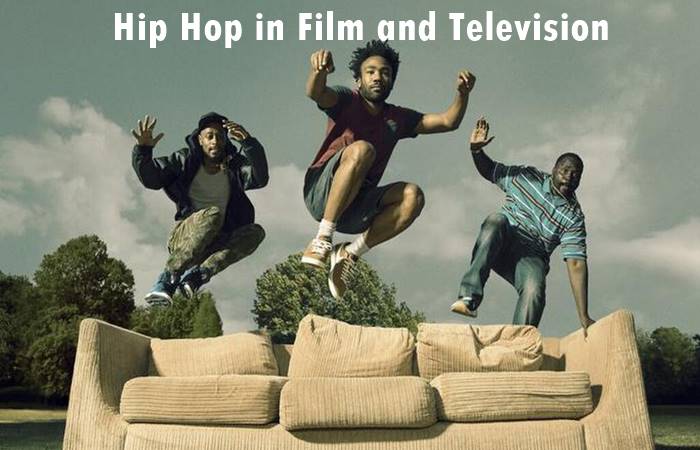
  • Hip Hop in Film and Television: How Movies & TV Shape, Reflect, and Amplify the Culture

    Hip Hop in Film and Television: How Movies & TV Shape, Reflect, and Amplify the Culture

    Hip Hop in Film and Television: Representing the Culture

    Hip Hop in Film and Television: Representing the Culture.


    Hip Hop is more than music; it is a complete culture born from the creative resilience of Black and Brown communities in the post-industrial Bronx of the 1970s. Its four core elements—DJing, MCing, Breakdancing, and Graffiti—provided the foundation, but its spirit, its politics, its fashion, and its language have permeated every corner of global society. While records and radio spread the sound, it has been film and television that have provided the narrative architecture, the visual vocabulary, and the mainstream platform to translate Hip Hop’s complex reality, aspirations, and struggles for a worldwide audience. The relationship is symbiotic: Hip Hop has fueled countless stories on screen, and in turn, those screens have shaped the culture’s evolution, mythology, and commercial power.

    The Early Reels: Documenting the Birth (1980s)

    The first wave of Hip Hop on screen was largely documentary and exploitative, caught between authentic representation and commodification. Films like Wild Style (1983) and Style Wars (1983) remain priceless cultural artifacts. Wild Style, directed by Charlie Ahearn, was a semi-fictional narrative that featured pioneering figures like Grandmaster Flash, Fab 5 Freddy, and the Rock Steady Crew. It didn’t just show performances; it depicted the interconnected ecosystem of rappers, DJs, b-boys, and graffiti artists within the vibrant, gritty landscape of New York City. Style Wars, the PBS documentary, did similar foundational work for graffiti, treating it as a legitimate, controversial art form.

    Alongside these authentic portraits came Hollywood’s packaged version. Breakdance films like Beat Street (1984) and Breakin’ (1984) sanitized and sensationalized the culture for mass consumption, yet they were instrumental in triggering a global phenomenon. They presented Hip Hop as a lively, physical, and non-threatening form of street entertainment, focusing on dance battles over lyrical content or social commentary. This era established a critical tension that would persist: the struggle between authentic, community-driven storytelling and mainstream, profit-driven caricature.

    The Gangsta Narrative and The Rise of the “Hood Film” (Late 1980s – 1990s)

    As Hip Hop music grew harder and more politically charged, so did its cinematic counterparts. The late 80s and early 90s saw the emergence of the “hood film,” a genre directly fueled by the aesthetics and themes of Gangsta Rap and conscious Hip Hop. These films moved beyond celebration to grapple with systemic issues: poverty, police brutality, drug epidemics, and intra-community violence.

    • Boyz n the Hood (1991, directed by John Singleton) and Menace II Society (1993, directed by The Hughes Brothers) are the towering pillars of this era. Their soundtracks, featuring Ice Cube, Dr. Dre, and others, were not mere accompaniments but essential narrative components. The music articulated the characters’ inner turmoil and the environment’s oppressive reality. Ice Cube’s transition from N.W.A. to star of Friday (1995) further blurred the lines, creating a comedic yet grounded vision of Black life that was saturated with Hip Hop sensibility.

    This period cemented the image of the rapper-actor, proving that the charisma and authenticity required for the mic could translate to the screen. Tupac Shakur’s raw performances in Juice (1992) and Poetic Justice (1993) and The Notorious B.I.G.’s cameo in Juice demonstrated Hip Hop’s potent dramatic force. The “hood film” was often criticized for perpetuating negative stereotypes, but its defenders argued it provided an unfiltered lens on American neglect and created space for Black directors and stories within a white-dominated industry.

    Mainstream Assimilation and Comedy (1990s – 2000s)

    As Hip Hop’s commercial power exploded, its presence on screen diversified. It was no longer confined to urban dramas. The culture became a lens for universal stories of ambition, identity, and comedy.

    • The Hip Hop Fairy Tale: Films like 8 Mile (2002) used the classic underdog sports-movie structure but applied it to the battle rap scene. Eminem’s semi-autobiographical story mythologized the battle as a gladiatorial arena where talent and sheer will could overcome circumstance.

    • The Hip Hop Comedy: The Friday series, How High (2001), and Barbershop (2002) used Hip Hop’s humor, slang, and celebrity cameos to craft comedies that felt culturally specific yet broadly accessible. They showcased the everyday life and humor within Black communities, a counterpoint to the relentless gravity of the hood films.

    • Television’s Embrace: On TV, The Fresh Prince of Bel-Air (1990-1996) used Will Smith’s rap persona as a springboard for a family sitcom that subtly discussed class and race. Later, shows like Moesha and The Steve Harvey Show integrated Hip Hop stars and themes into their plots, normalizing the culture in American living rooms.

    The Modern Era: Complexity, Prestige, and Global Domination (2010s – Present)

    Today, Hip Hop’s relationship with film and TV has matured into one of nuanced storytelling and authorial control. The culture is no longer a novelty or a single genre; it is a rich historical backdrop and a contemporary lingua franca.

    • Prestige Biopics: Films like Straight Outta Compton (2015) and All Eyez on Me (2017) presented Hip Hop history as epic, rise-and-fall drama, appealing to both original fans and new generations. They grappled with legacy, business exploitation, and cultural impact on a grand scale.

    • Auteur-Driven Stories: Atlanta (2016-2022), created by and starring Donald Glover (Childish Gambino), represents the apex of Hip Hop’s narrative integration. It’s not about Hip Hop in a biographical sense; it exists within the surreal, anxious, and brilliant psyche of the culture itself. It uses the music industry as a backdrop to explore modern Black identity, socio-economics, and the absurdities of fame with unparalleled originality.

    • Global and Streaming Platforms: Netflix’s The Get Down (2016-2017) was a costly, if short-lived, attempt to mythologize the culture’s birth. More successfully, documentaries like Hip-Hop Evolution and Sample-Based productions on streaming services provide deep-dive historical context. Meanwhile, reality competition shows like Rhythm + Flow seek to find the next star, continuing the tradition of screen media as a talent incubator.

    • Cultural Fabric: Now, Hip Hop references and aesthetics are seamlessly woven into unrelated genres. A superhero movie (Black Panther’s soundtrack), a teen drama (Euphoria’s musical cues), or a period film (Bridgerton’s string quartet covers) all use Hip Hop to instantly communicate tone, attitude, and modernity.

    The Unresolved Tension: Authenticity vs. Exploitation

    Despite its ascendance, the core tension remains. Who controls the narrative? For every Atlanta or Dear White People (which uses Hip Hop as intellectual and social currency), there are productions that reduce the culture to a shallow aesthetic—a baggy hoodie, a trap beat, a graffiti wall—devoid of its historical or political meaning. The challenge for filmmakers and showrunners is to move beyond stereotype and soundtracking to engage with Hip Hop’s intellectual tradition: its critiques of power, its innovative storytelling, and its profound expression of joy and resilience.

    ALSO READ: Andile Dlamini Weds: Banyana Banyana Star’s Elegant Wedding & Heartwarming Celebration of Love

    Conclusion: The Screen as a Cultural Mirror and Engine

    From the crumbling Bronx playgrounds in Wild Style to the dreamlike streets of Atlanta, film and television have been indispensable partners in Hip Hop’s journey. They have documented its birth, amplified its rebels, mythologized its stars, critiqued its flaws, and ultimately, validated its complexity. The screen acts as both a mirror, reflecting the culture’s truths back to itself, and an engine, propelling its ideas, styles, and language to every corner of the globe. As Hip Hop continues to evolve as the dominant cultural force of the 21st century, its stories on screen will remain essential—not just for entertainment, but as a living, breathing archive of a revolution that changed the world. The beat, indeed, goes on.

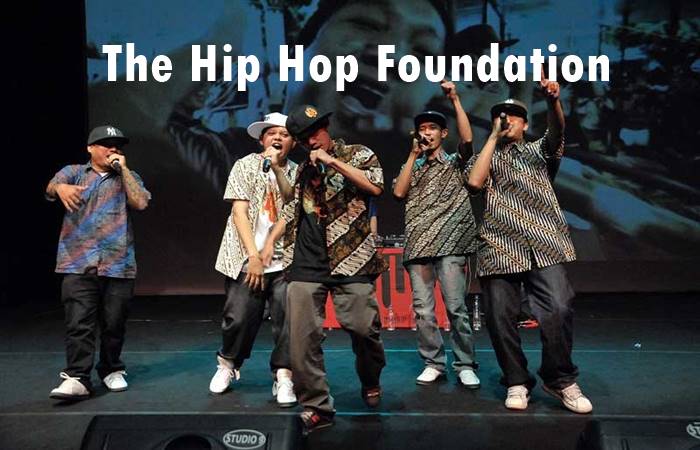
  • Sampling History: The Origins, Evolution & Ethical Debates of Hip Hop’s Foundation

    Sampling History: The Origins, Evolution & Ethical Debates of Hip Hop’s Foundation

    Sampling History: The Origins, Evolution & Ethical Debates of Hip Hop's Foundation

    Sampling History: The Origins and Ethics of Hip Hop’s Foundational Art.


    The very essence of hip hop—its rhythm, its nostalgia, its collage of sound—is built upon a practice both revolutionary and contentious: sampling. More than a mere production technique, sampling is the art of excavating, recontextualizing, and reanimating fragments of pre-existing recordings to create something entirely new. It is the thread that connects the block parties of the 1970s Bronx to the global digital studios of today, a story of technological innovation, artistic rebellion, cultural dialogue, and relentless legal and ethical debate. To understand sampling is to understand hip hop’s journey from the margins to the mainstream, its creative soul, and its ongoing struggle for artistic legitimacy.

    The Origins: Birth of a Loophole (1970s – Early 1980s)

    The genesis of sampling was not an artistic choice born in a vacuum; it was a creative necessity forged from limitation. In the socio-economically devastated South Bronx of the 1970s, the pioneers of hip hop did not have access to traditional instruments or formal music training. What they had were turntables, a handful of records (often their parents’ discarded funk, soul, and disco LPs), and monumental creativity.

    The founding father of this approach was Kool Herc. His innovation wasn’t to play a record from start to finish, but to isolate and extend the most rhythmic, dance-friendly sections—the “breaks.” Using two copies of the same record on twin turntables, he would loop the break indefinitely, creating a continuous, hypnotic rhythmic bed for MCs to rhyme over. This “breakbeat” practice was the philosophical and practical precursor to sampling: it valued a recorded fragment over the whole, prioritizing groove and function over original composition.

    The technological catalyst arrived with the E-mu Emulator and, more pivotally, the Akai MPC series in the mid-1980s. The MPC, especially, became the sampler of choice for legends like J Dilla, Pete Rock, and DJ Premier. It was more than a machine; it was an instrument. With its tactile pads and intuitive sequencing, it allowed producers to chop a breakbeat into individual hits—a kick, a snare, a hi-hat—and reprogram them into entirely new, often more complex, rhythmic patterns. This shifted sampling from mere looping to recomposition. The breakbeat from The Winstons’ “Amen, Brother” or James Brown’s “Funky Drummer” became raw clay, molded into the bedrock of countless hip hop classics.

    This era operated in a legal gray area. Sampling was seen as an underground, non-commercial folk art. Records were cleared through a mix of obscure sources, sheer obscurity, or outright omission. The ethos was “digging in the crates”—a producer’s merit was tied to their dedication to unearthing forgotten gems, creating a tangible link to musical history and asserting a form of cultural scholarship.

    The Legal Reckoning: The Golden Age Under Siege (Late 1980s – 1990s)

    As hip hop exploded commercially, its foundational practice collided head-on with copyright law. The legal system struggled to categorize sampling: was it theft, fair use, or a new form of musical quotation?

    The landscape changed irrevocably with two landmark cases:

    1. Grand Upright Music, Ltd. v. Warner Bros. Records Inc. (1991): Biz Markie’s use of a Gilbert O’Sullivan sample on “Alone Again” led to a stark, famous ruling: “Thou shalt not steal.” This case established a zero-tolerance precedent. Sampling without prior clearance was now definitively copyright infringement. It sent panic through the industry, leading labels to institute strict “sample clearance” departments.

    2. Bridgeport Music, Inc. v. Dimension Films (2005): This Sixth Circuit ruling went even further, declaring that any unauthorized sampling, no matter how short or unrecognizable, constituted infringement. The court’s infamous logic: “Get a license or do not sample.” This “de minimis” dismissal stifled creativity, making it legally perilous to use even a two-note fragment without costly clearance.

    The consequences were profound. The “Golden Age” of hip hop (late 80s to early 90s), characterized by dense, multi-layered sample collages from artists like De La Soul, The Beastie Boys, and Public Enemy, became financially impossible to produce. Albums like De La Soul’s “3 Feet High and Rising” (which used dozens of uncleared samples) became legal quagmires, trapped in release limbo for decades. Production shifted toward:

    • Replaying/Interpolation: Hiring session musicians to re-record a melody or groove, requiring only a cheaper “compositional” license.

    • Original Composition: A move toward synthesizers and live instrumentation.

    • Cleared, Simpler Samples: A focus on one or two legally-cleared, often expensive, iconic loops.

    The artistic result was a dilution of hip hop’s archival, referential texture. The legal message was clear: the culture’s foundational art form was, in the eyes of the law, inherently suspect.

    The Ethical Dimension: Theft vs. Tribute

    Beyond courtrooms, a fierce ethical debate persists. Critics, often from outside the culture, decry sampling as lazy theft, a parasitic practice that robs original artists of compensation and credit.

    Hip hop artists and advocates counter with a more nuanced view:

    • Transformation & Recontextualization: A great producer doesn’t just take; they transform. They might slow down a soul vocal to create melancholy, isolate a obscure horn stab for tension, or chop a break beyond recognition to forge a new rhythm. The new creation has a different meaning, feel, and purpose.

    • Cultural Preservation & Dialogue: Sampling acts as a living archive. It resurrects forgotten artists (like Lyn Collins or Bob James) for new generations, often leading to revived interest and royalties. It creates a continuous conversation across generations and genres.

    • The Producer as Curator & Scholar: The act of “digging in the crates” is research. The producer’s skill lies in selection, juxtaposition, and meaning-making, much like a film director or collage artist.

    • The Issue of Equity: Many early sampled works were by Black artists who received unfair industry deals. While they deserve compensation, the complex system often sees most settlement money going to record labels and publishers, not the original artists. The ethical demand is for a fair and streamlined system that rewards both past and present creators.

    The Modern Landscape: Neo-Sampling and New Frontiers (2000s – Present)

    Today, sampling thrives in evolved, often paradoxical forms.

    • The “Looping” Renaissance: Producers like Madlib, Kanye West (in his early work), and The Alchemist have brought back the aesthetic of the recognizable loop, using it as a foundational mood. They navigate the complex clearance world with larger budgets or strategic obscurity.

    • Digital Democratization & Micro-Sampling: Software like Ableton Live and Splice has democratized sampling. “Micro-sampling”—using extremely short, often pitch-shifted fragments—allows for transformation that skirts recognizability but not necessarily legality, per the Bridgeport ruling.

    • The “Type Beat” & Generic Samples: A vast online economy sells pre-cleared, generic sample loops and “type beats,” sometimes leading to homogenization but also providing an accessible, legal entry point.

    • New Legal Models: Services like Tracklib offer a Spotify-like library of fully clearable songs, streamlining the process. Some artists, like Taylor Swift, have embraced being sampled, seeing it as flattering and culturally relevant.

    The frontier now extends to AI-powered stem separation and sound generation, posing new questions: Is sampling an AI-trained model on a genre’s history ethical? Can you “sample” a style itself?

    ALSO READ: Siya Kolisi’s Homecoming: Stormers Confirm 2026 Return for Bok Captain in Emotional Family & Legacy Move

    Conclusion: An Unfinished Symphony

    The history of hip hop sampling is an unfinished symphony of innovation battling regulation, of reverence clashing with robbery. It began as a street-level solution and grew into one of the most influential artistic techniques of the 20th century. While legal battles have forced it into new shapes, they have never extinguished its core power: the ability to weave a tapestry of shared sonic history, to speak to the present through the voices of the past, and to assert that creativity is often a conversation, not a monologue. The ethics remain contested, but the art form endures, constantly evolving, reminding us that in the right hands, a fragment of the past can become the heartbeat of the future. The sample is not just a sound; it is a bridge, a citation, and a claim to a cultural legacy that the law is still learning to hear.

  • The 2026 Sound: How Amapiano is Reshaping Global Music Trends, Charts, and Culture

    The 2026 Sound: How Amapiano is Reshaping Global Music Trends, Charts, and Culture

    The 2026 Sound: How Amapiano is Reshaping Global Music Trends, Charts, and Culture

    In the ever-evolving landscape of global popular music, few movements have been as pervasive and transformative as the rise of Amapiano. What began in the townships of South Africa in the early 2010s as a deeply local, soulful offshoot of deep house and kwaito has, by 2026, become the world’s most sought-after rhythmic blueprint. This is no longer a passing trend or a niche fascination; Amapiano has fundamentally rewired the DNA of mainstream music, fashion, and digital culture on a planetary scale. As we stand in the middle of the decade, its influence is not merely audible—it is infrastructural, dictating the sound of charts, the strategy of streaming platforms, and the aesthetics of a generation.

    From Balcony Mixes to Boardroom Metrics: The Data of Dominance

    The evidence of Amapiano’s 2026 hegemony is stark and quantitative. Streaming service year-end reports now feature “Log Drum Impact” as a key metric for track virality. Billboard charts across continents, from the Hot 100 to the UK’s Official Singles Chart, regularly feature tracks with the unmistakable, bubbling basslines and skittering shakers of Amapiano. The genre’s algorithm-friendly structure—often built around extended, hypnotic grooves perfect for playlisting—has made it the darling of platform curators. “Amapiano Grooves” and “Piano to the World” are consistently among the most-followed and fastest-growing editorial playlists globally, generating billions of collective streams monthly and introducing the sound to audiences far removed from its origins.

    Major music corporations, once slow to recognize the genre’s potential, have now established dedicated “Amapiano A&R” divisions in Johannesburg, Lagos, London, and New York. Signings are no longer limited to solo artists; entire producer collectives and DJ tandems are being offered lucrative, multi-album deals. The economic ripple effect is immense, with studios in Pretoria and Soweto becoming pilgrimage sites for international artists seeking authentic production collaborations.

    The Sonic Blueprint: Dissecting the 2026 Amapiano Formula

    The core Amapiano sound has matured and cross-pollinated, creating a versatile toolkit adopted by producers worldwide:

    • The “Global Piano” Bassline: The iconic log drum bass has evolved. While the original warm, woody texture remains a staple, 2026 sees it fused with 808 sub-basses for hip-hop appeal, or synthesized into sharper, metallic tones for harder electronic dance tracks. Its function, however, is constant: to provide a hypnotic, rolling foundation that is both melodic and percussive.

    • Vocal Architecture: The soulful, often gospel-tinged vocal samples remain vital, but they now seamlessly intertwine with global flows. It’s now commonplace to hear UK drill rappers, Latin reggaeton singers, and Afrobeats stars delivering their verses over pure Amapiano instrumentation. The “vocal chant” hook—repetitive, catchy, and often in indigenous South African languages—has become a universal chart device, transcending language barriers.

    • The Rhythm Revolution: The three-keyboard percussion layout (the rhythmic backbone pioneered by early stars) has been deconstructed and reimagined. Tech-house producers have tightened the shaker patterns for club efficiency. Pop producers have simplified them for radio. Yet, the swung, loose-limbed feel—the “yaaas” and “tsh” sounds—remains the genre’s undeniable fingerprint, a radical departure from the rigid four-on-the-floor of previous dance eras.

    • Tempo as a Nexus: Amapiano’s 110-115 BPM “sweet spot” has proven to be a magical intersection. It’s slow enough to absorb the laid-back grooves of hip-hop and R&B, yet driving enough to keep dance floors moving. This tempo has effectively become a new global standard, bridging genres that previously operated at different speeds.

    Genre Fusion: The Amapiano Alchemy in Every Scene

    Amapiano’s most profound impact is its role as a universal solvent, dissolving barriers between previously siloed genres:

    • Pop & R&B: Top-tier pop artists no longer just feature on an Amapiano track; they build entire albums around its aesthetic. The sound provides a fresh, rhythmic alternative to the synth-pop and trap-lite that dominated earlier in the decade. R&B, in particular, has found a new lease on life through Amapiano, with the genre’s spacious chords and soulful samples providing a perfect bed for contemporary vocal harmonies.

    • Hip-Hop & Drill: The marriage is natural. Amapiano’s spacious, minimal beats (in contrast to the dense, aggressive 808 patterns of trap) offer rappers more room to breathe and experiment with flow. UK drill artists, in particular, have embraced the “slowed-down piano” sound, creating a subgenre dubbed “Piano Drill” that dominates street playlists from London to Toronto.

    • Electronic Dance Music (EDM): The mainstage EDM sound of 2026 is unrecognizable from its big-room 2010s peak. The “drop” has been supplanted by the “build-and-groove.” DJs like Major League DJz, once considered strictly South African, now headline major European and North American festivals, their sets a masterclass in Amapiano’s patient, vibe-driven progression. Tech-house producers have fully integrated the bassline patterns, creating a harder, club-ready iteration.

    • Afrobeats & the African Diaspora: Within Africa, Amapiano has completed its conquest. It is no longer a competing genre with Afrobeats but has fully fused with it. The term “Afropiano” is ubiquitous, describing the dominant sound coming from Nigeria, Ghana, Kenya, and beyond. This fusion has solidified Africa’s position as the undisputed epicenter of contemporary musical innovation.

    ALSO READ: Amapiano Festivals: The Ultimate Guide to Experiencing the Genre Live

    Beyond the Music: Cultural and Economic Resonance

    The influence extends far beyond headphones and speakers:

    • Fashion & Dance: The “Piano Fashion” aesthetic—a mix of high-end streetwear, vibrant prints, and comfortable, dance-ready silhouettes—is a major trend. Specific dance moves, like the “Vosho” and “Pouncing Cat,” have gone viral on social media platforms, with challenges and tutorials generating millions of engagements. Dance crews specializing in Amapiano styles are in high demand for music videos and world tours.

    • The Producer as the New Star: Amapiano has accelerated the industry-wide shift where the producer is the frontline artist. Figures like Kabza De Small, Felo Le Tee, and Tyler ICU are global headliners, not just behind-the-scenes contributors. The “mixtape” culture, exemplified by releases like “Felo Le Tee – Amapiano Mix (The Hangawt 1632 Mixtape),” is more relevant than ever, serving as direct-to-fan artistic statements that bypass traditional album cycles.

    • Streaming & The “Vibe Economy”: Platforms now quantify “vibe metrics”—how well a track sustains listener engagement over its typically longer duration (5-7 minutes). This has incentivized artists across genres to focus on groove and atmosphere over quick-hit choruses, changing the very structure of songwriting.

    • Global Collaborations: The most anticipated releases of 2026 are cross-continental collaborations. A K-pop idol group on an Amapiano-influenced B-side, a country artist sampling a classic piano riff, or a reggaeton giant enlisting a Pretoria-based producer are not novelties; they are strategic, sound-defining moves.

    The Horizon: Authenticity in an Era of Global Adoption

    With any global explosion, questions of authenticity and equity arise. The South African originators of the sound have become vigilant guardians of its soul, advocating for proper credits, publishing rights, and cultural recognition. The narrative in 2026 is increasingly about partnership, not appropriation. The most successful international adoptions are those born of genuine collaboration, with artists traveling to South Africa to immerse themselves in the culture that birthed the sound.

    As we look ahead, Amapiano’s legacy is secure. It has done more than provide a new batch of hits; it has slowed down the tempo of global pop, prioritized feeling over formula, and democratized dance music. It has proven that in our hyper-connected age, a deeply local sound, rooted in community and specific experience, can become the world’s most potent cultural currency. In 2026, the piano is no longer just an instrument; it is the language in which the global party speaks. The hangout, once a localized South African phenomenon, is now a worldwide state of mind.

  • Amapiano Festivals: The Ultimate Guide to Experiencing the Genre Live

    Amapiano Festivals: The Ultimate Guide to Experiencing the Genre Live

    Amapiano Festivals: The Ultimate Guide to Experiencing the Genre Live

    Amapiano Festivals 2025/26: The Ultimate Guide to Experiencing the Genre Live.


    Amapiano is no longer just a sound; it’s a seismic cultural movement. Born in the townships of South Africa, this genre—with its deep basslines, shimmering pianos, rolling log drums, and soulful vocals—has evolved from underground house parties to a global phenomenon. While streaming platforms bring the music to your ears, there is absolutely no substitute for the visceral, communal, and electrifying experience of hearing Amapiano live. The festival scene has become the genre’s beating heart, where fans, or “Piano Heads,” gather to worship the groove. This is your definitive guide to the must-attend Amapiano festivals around the world.

    The Cradle: Must-Attend Amapiano Festivals in South Africa

    To truly understand Amapiano, you must experience it on its home soil. South Africa’s festivals are pilgrimage sites, offering line-ups of legendary pioneers and red-hot newcomers amidst an atmosphere of pure, unadulterated joy.

    1. Piano People Festival (Johannesburg)

    Arguably the most iconic and anticipated event on the calendar, Piano People is the standard-bearer for large-scale Amapiano excellence. Held at premier venues like the SunBet Arena in Pretoria, it’s a marathon, not a sprint.

    • The Vibe: A massive, well-produced celebration featuring multiple stages (often a main stage and a “basement” stage for deeper cuts). The crowd is a fashion-forward, energetic sea of unity.

    • The Sound: Expect the genre’s absolute A-list: Kabza De Small (the King of Amapiano), DJ MaphorisaFocalisticDBN GogoTyler ICU, and a roster of special guests that define the year’s hits.

    • Why Go: For the sheer scale, the flawless production, and the chance to witness history-making back-to-back sets. It’s the definitive Amapiano showcase.

    2. Yanos Festival (Johannesburg)

    Yanos Festival has rapidly grown into a powerhouse event, known for curating a perfect blend of established icons and the next wave of talent. It positions itself as a cultural experience beyond just music.

    • The Vibe: Energetic, youthful, and trend-setting. It often incorporates elements of street culture, fashion, and art, making it a holistic representation of the Amapiano lifestyle.

    • The Sound: A dynamic mix where veterans like MFR Souls and Vigro Deep share the stage with viral sensations and genre-blending artists pushing Amapiano’s boundaries.

    • Why Go: To feel the pulse of where the genre is heading and to be part of a cutting-edge, fashion-forward crowd.

    3. Homecoming Festival (Cape Town)

    Bringing the Amapiano heat to the Mother City, Homecoming Festival offers a stunning coastal backdrop to the signature sound. It celebrates the return to roots and community.

    • The Vibe: Slightly more laid-back than the Johannesburg giants, infused with Cape Town’s scenic beauty and eclectic cultural mix. Think dancing with Table Mountain or the ocean as your backdrop.

    • The Sound: A brilliant mix of Cape Town’s own piano talents alongside national headliners. It’s a great place to discover the unique, often jazz-inflected, sound emerging from the Western Cape.

    • Why Go: For a spectacular setting and a festival that marries the Amapiano energy with the distinctive, relaxed vibe of Cape Town.

    ALSO READ: Top 10 Best Amapiano Collaborations of 2025 (So Far)

    The Global Takeover: International Amapiano Festivals & Events

    The infectious rhythm of Amapiano has crossed oceans, leading to dedicated festivals and major stage takeovers worldwide.

    1. Amapiano Festival UK (London)

    A testament to the genre’s massive UK diaspora and growing mainstream appeal, this festival has become a landmark event in Europe.

    • The Vibe: A powerful home-away-from-home feeling. The energy is fueled by nostalgia, pride, and the excitement of sharing the culture on an international stage.

    • The Sound: A blend of South African headliners flying in specially and top UK-based Amapiano DJs. It showcases how the genre has been adopted and adapted in the British scene.

    • Why Go: To witness the profound international impact of Amapiano and party with a passionate, knowledgeable crowd in a major global city.

    2. Afropiano (Various Locations in Australia)

    Bringing the sun-drenched sounds to the Southern Hemisphere, Afropiano has been instrumental in introducing Amapiano to Australian audiences, often as part of wider African music events.

    • The Vibe: Exploratory and exuberant. It attracts a mix of the African diaspora and locals eager to dive into the latest global dance trend.

    • The Sound: Features leading South African artists on Australian tours, alongside local DJs who have mastered the piano groove.

    • Why Go: To see how Amapiano translates in a vibrant, multicultural market far from its origin, and to be part of its growing Asian-Pacific journey.

    3. Festival Stages & Takeovers (Worldwide)

    Major international music festivals are now dedicating stages or nights to Amapiano.

    • Coachella (USA): Artists like Uncle Waffles and Kabza De Small have brought the sound to the iconic Sahara Tent, introducing it to tens of thousands.

    • Wildebeest (Netherlands): This festival has successfully integrated major Amapiano acts into its line-up, highlighting the genre’s fit within the broader European electronic landscape.

    • Club Nights in Ibiza, Berlin, NYC: Major clubs now host regular “Amapiano Nights,” often curated by key DJs, proving the genre’s staying power in the global club circuit.

    Your Festival Toolkit: How to Prepare for an Amapiano Festival

    1. Do Your Homework: Listen to recent mixes from the artists on the line-up. Follow them on social media to catch their latest hits and collaborations.

    2. Dress the Part: Comfort is key (you’ll be dancing for hours), but Amapiano fashion is bold. Expect to see vibrant colors, designer streetwear, bucket hats, and statement accessories. Express yourself!

    3. Master the Dance: You don’t need to be a pro, but knowing a few basic steps like the Pouncing Cat or the Siyasakha will heighten your enjoyment. Watch tutorials online—it’s all about feeling the rhythm.

    4. Hydrate and Pace Yourself: These festivals are long, energetic affairs. Drink water, wear comfortable shoes, and remember it’s a marathon of good vibes.

    5. Embrace the Community: The “Piano Nation” is known for its welcoming spirit. Strike up conversations, share your dance space, and let the shared love for the music connect you.

    The Future of the Live Experience

    The Amapiano festival scene shows no signs of slowing down. We can expect more destination festivals, larger global tours, and increasingly sophisticated production. The genre’s collaborative nature also promises more unique back-to-back sets and hybrid performances that blend live vocals, instruments, and DJing.

    In Conclusion, attending an Amapiano festival is more than just a concert; it’s an immersion into a living, breathing culture. It’s the thrill of a log drum drop echoing through a crowd of thousands, the shared shiver when a familiar piano riff begins, and the unforgettable sight of a sea of people moving in rhythmic unison. Whether you make the pilgrimage to South Africa or catch the wave at an event nearer to you, a live Amapiano experience is an essential chapter in the story of modern music. Find your festival, lose yourself in the groove, and become part of the movement.

  • Top 10 Best Amapiano Collaborations of 2025 (So Far)

    Top 10 Best Amapiano Collaborations of 2025 (So Far)

    Top 10 Best Amapiano Collaborations of 2025

    The Ultimate Sound: Top 10 Best Amapiano Collaborations of 2025 So Far.


    As 2025 reaches its midpoint, the Amapiano scene continues its global domination, not just through solo anthems, but through powerful, genre-evolving collaborations. This year has seen legendary link-ups, cross-continental fusions, and unexpected pairings that have pushed the sound into thrilling new territories. From soulful vocal harmonies over icy log drums to tech-infused basslines, these partnerships are defining the year in music. Here, we rank the top 10 Amapiano collaborations of 2025 so far.

    1. Kabza De Sma x Tyler ICU feat. Zuma & Sia – “Cosmic Embrace”
    This is the undisputed anthem of the year. Kabza’s signature rich piano melodies meet Tyler ICU’s razor-sharp percussion, creating a sprawling, seven-minute journey. The haunting, ethereal vocals from Zuma and Sia elevate it from a dance track to a spiritual experience, solidifying its status as a modern classic.

    2. Uncle Waffles & Pabi Cooper feat. Focalistic – “Sikilidi (Remix)”
    A remix that arguably surpassed the original. Uncle Waffles’ vibrant energy and Pabi Cooper’s fiery verse are perfectly balanced by Focalistic’s iconic vocal cadence. This track became a viral dance challenge, proving the unstoppable power of Amapiano’s leading women joining forces.

    3. DJ Maphorisa x Shimza feat. Sun-El Musician – “Indigo Horizon”
    A masterclass in production, this instrumental collaboration blends three distinct styles. Maphorisa’s catchy hooks, Shimza’s deep, driving house sensibilities, and Sun-El Musician’s Afro-house soul create a sophisticated, hypnotic track for true connoisseurs of the genre.

    4. Mellow & Sleazy x Major League DJz feat. DBN Gogo & Boohle – “Paris to Pretoria”
    A transcontinental smash. The gritty, street-born sound of Mellow & Sleazy meets the global festival energy of Major League DJz. DBN Gogo’s scorching synths and Boohle’s angelic voice bridge the gap, creating a track that works equally well in a Parisian club and a Pretoria street bash.

    5. Musa Keys x Kelvin Momo feat. Ch’cco – “Umdali”
    The soulful side of Amapiano shines here. Musa Keys’ percussive flair and Kelvin Momo’s deep, spiritual harmonies provide a profound foundation for Ch’cco’s effortlessly smooth vocals. It’s a reflective, powerful collaboration that showcases the genre’s emotional depth.

    6. Busta 929 x Mr JazziQ feat. Lady Du & Kamo Mphela – “Jolisa”
    Pure, unadulterated dancefloor energy. Two beat architects, Busta 929 and Mr JazziQ, craft a relentless, percussive bomb. Lady Du’s commanding vocals and Kamo Mphela’s iconic ad-libs make this the ultimate track to ignite any party, a testament to pure, fun-loving Amapiano.

    ALSO READ: Exploring the Roots and Rhythms of Amapiano Music

    7. Felo Le Tee x Myztro feat. Daliwonga – “Sengizwile”
    A masterstroke in melodic storytelling. Felo Le Tee and Myztro layer intricate, melancholic piano lines over a slow-burning bassline. Daliwonga’s heartfelt, raw vocals tie it all together, creating a collaboration that’s both deeply moving and impossible not to move to.

    8. Scorpion Kings x Vigro Deep – “Quantum”
    Where Amapiano meets futuristic sound design. The legendary duo of Kabza De Small and DJ Maphorisa (as Scorpion Kings) join forces with the young prodigy Vigro Deep. The result is “Quantum”—a track with a mind-bending, dark bassline and complex rhythms that points directly to the genre’s future.

    9. TxC (TitoM & Yuppe) x Nkosazana Daughter – “Izono”
    This collaboration brought a fresh, vocal-driven narrative to the forefront. The production duo TxC provides a soft, jazzy, and melodic backdrop that allows Nkosazana Daughter’s poignant and storytelling lyrics to take center stage, proving the power of simplicity and soul.

    10. JazziDisciples x Mas Musiq feat. Aymos – “Sabela”
    A smooth and spiritual closing to our list. JazziDisciples and Mas Musiq blend warm, organic sounds with a gentle swing. The impeccable vocal textures of Aymos provide the perfect finishing touch, making “Sabela” a collaboration that soothes and uplifts in equal measure.

    These ten collaborations demonstrate that Amapiano in 2025 is a genre in constant conversation—with itself, with other genres, and with the world. They highlight the creative synergy that happens when visionary artists combine their strengths, ensuring that the sound remains dynamic, innovative, and utterly irresistible. As the year continues, we eagerly await the next groundbreaking partnership.

  • Exploring the Roots and Rhythms of Amapiano Music

    Exploring the Roots and Rhythms of Amapiano Music

    Exploring the Roots and Rhythms of Amapiano Music

    Amapiano Uncovered: Exploring the South African Genre’s Roots, Rhythms & Global Rise.

    From the heart of South Africa’s townships to dominating global airwaves and dance floors, Amapiano has become more than a genre—it’s a cultural movement. Characterized by its deep, hypnotic basslines, soulful piano melodies, and shuffled percussion, Amapiano, which literally means “the pianos” in Zulu, offers a sound that is both laid-back and irresistibly danceable. But to understand its present, we must journey to its roots.

    Planting the Seed: The Humble Origins

    Amapiano’s story begins in the mid-2010s, emerging from the gritty, creative crucibles of townships like Soweto, Pretoria, and Katlehong. It was born not in lavish studios, but in home setups and community gatherings, a true product of the people. The genre is a deep fusion of existing South African sounds: the soulful chords and vocal samples of Deep House, the rhythmic complexity and speed of Kwaito, and the infectious, percussive dance patterns of DiBacardi. Early pioneers, often shrouded in the anonymity of online forums and USB drive distributions, experimented with these elements, slowing down tempos and emphasizing melodic, keyboard-driven grooves.

    Deconstructing the Rhythm: The “Log Drum” Heartbeat

    The sonic signature of Amapiano is unmistakable, built on a foundation of key rhythmic elements:

    • The Log Drum: This is the genre’s pulsating heart. A synthesized, percussive bass tone that mimics traditional drums, it creates the warm, rolling, and often rhythmic bassline that drives every track. Its repetitive yet melodic thump is what makes bodies sway instinctively.

    • The Shuffle: The high-hat and percussion are never static. They employ a complex, skittering shuffle rhythm—a faster, intricate pattern that rides atop the log drum’s slow bounce, creating a mesmerizing, multi-layered groove.

    • Soulful Keys & Vocals: Jazz-influenced, soulful piano melodies provide the emotional core. These are often complemented by haunting vocal samples, repetitive chants, or the spirited, ad-libbed verses of Amapiano vocalists and MCs.

    From Basements to Mainstream: The Architects of a Sound

    As the sound evolved, key artists stepped from the shadows to become its ambassadors. Producers like Kabza De Small (often crowned the “King of Amapiano”), DJ Maphorisa, and Mr JazziQ were instrumental in crafting and popularizing the genre’s signature style. Their collaborations birthed anthems and introduced the sound to a massive audience. The scene also birthed iconic figures like Focalistic, whose Pitori (Pretoria) slang and energetic delivery became a hallmark, and vocalists like Daliwonga and Sha Sha, who added depth and soul.

    ALSO READ: Xen Martin: Biography, Age, Brother, Parents, Girlfriend & 2024 Net Worth

    A Global Language of Groove

    Amapiano’s rise is a testament to its universal appeal. It transcended South Africa’s borders through digital platforms, influencing global artists and spawning international dance challenges. It’s no longer just music; it’s a vibe, a fashion influence, and a unifying force in clubs from London to Lagos, New York to Nairobi.

    In essence, Amapiano is the sound of resilience, innovation, and joy. It is a rhythm born from the community, built on a log drum, and carried to the world on a wave of undeniable groove. To listen is to understand a piece of modern South African spirit—one infectious beat at a time.

  • How Amapiano Music is Redefining South Africa’s Musical Landscape

    In the ever-evolving world of South African music, a new genre – Amapiano Music has emerged that is not only captivating audiences but also redefining the nation’s musical landscape: Amapiano music. Originating in the townships of South Africa, Amapiano is a vibrant and eclectic genre that blends elements of deep house, jazz, and lounge music, characterized by its signature piano melodies, infectious rhythms, and soothing basslines. This genre is swiftly becoming a dominant force in South Africa’s music scene and is gaining international recognition for its unique sound and cultural significance.

    The Rise of Amapiano Music

    Amapiano music, which translates to “the pianos” in Zulu, began its journey in the early 2010s. However, it wasn’t until the mid-2010s that it started to gain widespread popularity. The genre’s rise can be attributed to its accessibility and relatability. Unlike other forms of house music, Amapiano’s slower tempo and melodic richness make it more approachable for a broader audience. The genre’s appeal is further amplified by its roots in the local culture, often featuring vernacular lyrics and themes that resonate with everyday experiences of South Africans.

    Cultural Impact of Amapiano

    Amapiano music is more than just a genre; it is a cultural movement. It has created a sense of unity and pride among South Africans, celebrating the country’s diversity and rich musical heritage. The genre has provided a platform for emerging artists and producers to showcase their talent, many of whom have risen from humble beginnings to national stardom. Artists like Kabza De Small, DJ Maphorisa, and MFR Souls have become household names, driving the genre’s popularity and influencing a new generation of musicians.

    Redefining the South African Music Scene

    The influence of Amapiano music on the South African music landscape cannot be overstated. It has challenged the dominance of established genres like Kwaito and Gqom, offering an alternative that is fresh, innovative, and deeply rooted in South African culture. This shift is not just a musical one but also a social one, as Amapiano brings to the forefront the voices and experiences of the youth and marginalized communities.

    Global Reach and Future Prospects

    The global music industry is taking notice of Amapiano music. International artists and DJs are incorporating Amapiano elements into their sets, and collaborations between South African and international artists are becoming more common. This global reach is a testament to the genre’s universal appeal and its potential to become a significant player on the world stage.

    As Amapiano continues to evolve, its future looks incredibly promising. The genre’s ability to adapt and incorporate various musical influences while staying true to its roots ensures its relevance and longevity. For South Africa, Amapiano music is not just a trend; it is a revolution that is redefining the nation’s musical identity and showcasing its cultural richness to the world.

    Conclusion

    Amapiano music is a testament to the dynamic and ever-changing nature of South African music. Its rise from the townships to international stages is a remarkable journey that highlights the power of music to transcend boundaries and bring people together. As Amapiano continues to grow and evolve, it will undoubtedly leave an indelible mark on the global music landscape, all while staying true to its South African roots. Embrace the Amapiano wave, for it is here to stay, and it is reshaping the soundscape of South African music in profound and exciting ways.

    By exploring the essence of Amapiano music and its impact, we gain a deeper appreciation for South Africa’s rich musical heritage and the innovative spirit that drives its continuous evolution.

  • Amapiano: The Fusion of Jazz, House, and Dance That’s Changing Music

    In the ever-evolving landscape of global music, Amapiano has emerged as a groundbreaking genre, seamlessly blending elements of jazz, house, and dance. Originating from South Africa, Amapiano music has swiftly gained international acclaim, redefining modern music and captivating audiences worldwide. This genre’s unique sound, characterized by its soulful melodies, vibrant beats, and intricate rhythms, sets it apart from other contemporary music styles.

    The Roots and Rise of Amapiano

    Amapiano, which means “the pianos” in Zulu, originated in the townships of South Africa in the early 2010s. It represents a cultural fusion, drawing heavily from the rich traditions of jazz and the pulsating beats of house music. The genre’s early days saw it flourishing within local communities, played in intimate gatherings and street parties. However, it wasn’t long before Amapiano’s infectious rhythms and soulful harmonies began to resonate on a larger scale.

    The rise of digital platforms and Fakaza Music sharing sites like Fakazahiphopza has played a significant role in propelling Amapiano into the global music scene. These platforms have allowed artists to share their music with a broader audience, breaking geographical barriers and enabling a global appreciation of this distinctly South African sound.

    The Sound of Amapiano

    Amapiano music is characterized by its deep, jazzy undertones, mellow piano melodies, and dynamic percussive elements. The genre often incorporates the use of synthesized pads, basslines, and drum machines, creating a sound that is both modern and nostalgic. What sets Amapiano apart is its ability to evoke a sense of groove and relaxation while maintaining a danceable tempo, making it suitable for both chill listening and energetic dancing.

    SEE THIS: Goodguy Styles & DBN Gogo – Babize ft Pronic DeMuziq & Boontle RSA

    The genre also emphasizes improvisation, a hallmark of jazz, allowing artists to infuse their unique creativity into each track. This improvisational nature has led to an ever-evolving soundscape within Amapiano, ensuring that the genre remains fresh and innovative.

    Cultural Impact and Global Reach

    The cultural impact of Amapiano cannot be overstated. It has provided a platform for South African artists to showcase their talent and heritage, bringing the sounds of their communities to the world stage. The genre has also fostered collaborations between South African musicians and international artists, leading to a cross-pollination of musical ideas and further enriching the global music scene.

    The popularity of Amapiano has also been bolstered by social media and streaming platforms, where viral challenges and dance routines set to Amapiano tracks have captured the imagination of a global audience. This digital dissemination has transformed Amapiano from a local sensation into a worldwide phenomenon, with its influence seen in clubs, festivals, and music charts across the globe.

    The Future of Amapiano

    As Amapiano continues to evolve, its future looks incredibly promising. The genre’s ability to adapt and incorporate diverse musical influences ensures its longevity and relevance. With platforms like Fakaza Music and Fakazahiphopza continuing to support and promote Amapiano artists, the genre is poised for even greater international success.

    ALSO SEE: The Evolution of Hip-Hop: From the Streets to Mainstream

    Moreover, the growing number of Amapiano festivals and events outside South Africa signifies a burgeoning global community of fans and artists dedicated to this vibrant genre. This increasing international presence not only highlights the genre’s universal appeal but also underscores its potential to shape the future of music on a global scale.

    Conclusion

    Amapiano is more than just a genre; it is a cultural movement that celebrates the fusion of jazz, house, and dance. Its rise to prominence on the global stage is a testament to the power of music to transcend borders and bring people together. As Amapiano continues to evolve and inspire, it promises to remain a vital and dynamic force in the world of music, paving the way for new sounds and creative expressions.

    For those looking to explore the rich and rhythmic world of Amapiano in Fakaza Music, platform like and Fakazahiphopza offer a treasure trove of tracks and albums that showcase the best of this groundbreaking genre. Dive in and experience the sound that is changing the music landscape, one beat at a time.

  • The Evolution of Hip-Hop: From the Streets to Mainstream

    Hip-hop, born from the streets of the Bronx in the 1970s, has undergone a remarkable evolution, transforming from a grassroots movement to a global cultural phenomenon. This article explores the journey of hip-hop, tracing its origins, highlighting key milestones, and examining how it has transcended boundaries to become a dominant force in mainstream music and popular culture.

    Origins in the South Bronx

    Hip-hop emerged as a response to the social and economic challenges faced by marginalized communities in the South Bronx. DJs like Kool Herc and Grandmaster Flash pioneered the use of turntables and breakbeats, creating the foundation for rap music and breakdancing. The art form provided an outlet for self-expression and cultural pride, serving as a voice for the unheard and disenfranchised.

    Rise of Rap Music

    The 1980s witnessed the rise of rap music, as artists like Run-D.M.C., LL Cool J, and Public Enemy brought hip-hop to the mainstream. Rap became a powerful medium for storytelling, addressing social issues, and reflecting the realities of urban life. The emergence of record labels like Def Jam and the success of artists such as The Sugarhill Gang’s “Rapper’s Delight” helped propel rap into popular culture.

    Sampling and Production Innovations

    Hip-hop’s evolution was fueled by the innovative use of sampling and production techniques. Producers like DJ Premier, Dr. Dre, and J Dilla brought a new sonic dimension to the genre, incorporating samples from a wide range of musical genres. The introduction of drum machines and samplers allowed artists to create unique beats and experiment with sounds, pushing the boundaries of hip-hop’s sonic landscape.

    Mainstream Success and Global Influence

    In the 1990s, hip-hop achieved unprecedented success and began its global expansion. Artists such as Tupac Shakur, The Notorious B.I.G., and Nas garnered immense popularity, while groups like N.W.A. and Wu-Tang Clan captured the attention of a diverse audience.

    ALSO SEE: Traditional Music vs. Modern Music: Bridging the Generation Gap

    The genre’s ability to resonate with people from different backgrounds and cultures led to its widespread influence across continents, ultimately establishing hip-hop as a global cultural movement.

    Crossover Appeal and Commercialization

    As hip-hop gained commercial success, it started to cross over into other genres, collaborating with pop, R&B, and rock artists. Acts like Jay-Z, Kanye West, and Eminem achieved mainstream success and helped break down barriers between different musical styles. Hip-hop also permeated popular culture through fashion, film, and advertising, solidifying its status as a dominant force in mainstream entertainment.

    Social and Political Influence

    Hip-hop’s evolution has been deeply intertwined with social and political movements. Artists like Public Enemy, Lauryn Hill, and Kendrick Lamar used their music to address systemic injustices, racial inequality, and social issues. Hip-hop became a platform for activism, empowering marginalized communities and amplifying their voices. The genre’s ability to reflect the experiences of the disenfranchised has made it a potent tool for social change and an essential cultural voice.

    Conclusion

    The evolution of hip-hop from its humble beginnings in the South Bronx to its global influence is a testament to its enduring power and cultural significance. It has broken down barriers, challenged norms, and provided a platform for marginalized communities to express themselves, leaving an indelible mark on music and society.